Share
ShareHow is IoT Powering the Shift from Smart Homes to Smart Cities?
-
 August 21, 2025
 -

 7 min read
Urban life in India is changing rapidly. From paying electricity bills through apps to receiving live updates on buses and traffic, connectivity has become part of our daily routine. What started inside our homes with smart appliances and voice assistants is now expanding to the streets, buildings, and systems around us. Cities like Ahmedabad and Surat are already adopting technology to improve power supply, waste collection, transport, and safety.
This shift is not just about convenience. It is about building cities that can handle growing populations, resource pressure, and climate challenges. The Internet of Things (IoT) plays a central role in making this possible.



In this article, we will look at the role of IoT in smart cities in detail to understand how it is driving the shift from smart homes to smart cities in India.
Ways IoT Is Powering the Shift from Smart Homes to Smart Cities
IoT is emerging as the backbone of urban transformation. What began with connected appliances in individual homes has now expanded to connected infrastructures, systems, and services across entire cities.
Let’s check out 10 impactful ways IoT is making this shift a reality.
1. Smart Metering in Utilities
One of the first large-scale applications of IoT in India is smart metering. The power sector is undergoing a massive overhaul with plans to replace 250 million conventional meters. These IoT-enabled smart meters transmit data in real time to help utilities track usage, identify faults, and plan supply intelligently. This is the most visible demonstration of the role of IoT in smart cities today.
2. Air Quality Monitoring
Cities across India are grappling with dangerous pollution levels. IoT-based air quality monitoring stations, some using NB-IoT technology, provide live data on pollutants. Municipalities can now pinpoint hotspots and take targeted actions, such as rerouting traffic or limiting industrial output in specific zones.
3. Solar-Powered Smart Streetlights
In states like Bihar, solar streetlights equipped with IoT sensors are becoming a norm. These lights can dim or brighten based on pedestrian activity and time of day. This saves energy while also contributing to citizen safety. Again, we see the role of IoT in smart cities playing out in very real, everyday settings.
4. Waste Management with Smart Bins
IoT-driven waste bins detect when they are full and signal for collection. This reduces fuel consumption for waste trucks and ensures cleaner streets. Surat’s smart city initiative includes these, making it one of India’s cleanest urban centres.
5. Water Management and Leak Detection
Water scarcity is a growing concern. Smart water meters and sensors identify leaks, monitor usage, and send alerts. These insights help in reducing wastage and planning sustainable urban water policies, further underlining the role of IoT in smart cities.
6. Smart Public Transport and Mobility
Ahmedabad and Surat have upgraded public transport systems with AI-driven traffic lights and electric buses. Sensors in these systems track vehicle movements and help manage congestion. Citizens benefit from reduced travel times and improved air quality.
7. Command and Control Centres
Integrated Command and Control Centres (ICCC) are now operational in many cities. These central hubs use IoT data to manage utilities, traffic, law enforcement, and emergency response. By analysing real-time data, cities make faster decisions and respond to crises more effectively.
8. Renewable Energy Management
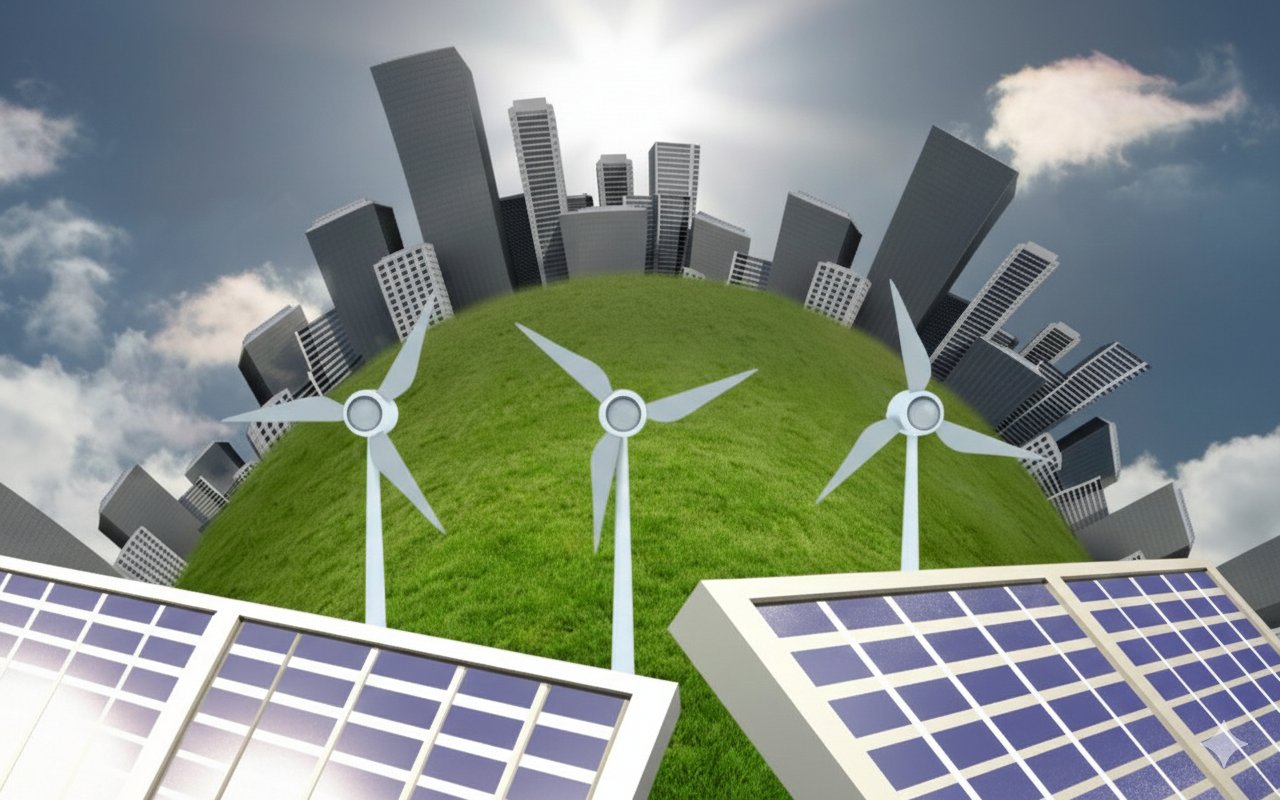
Smart grids, another IoT-powered innovation, allow better integration of renewable energy sources like solar and wind. They help forecast energy demand and supply and switch sources accordingly. It’s a core element in India’s push for clean energy.
9. Disaster Prediction and Response
IoT sensors provide early warning for floods, earthquakes, and other disasters. By linking this data with predictive models, city administrators can issue timely alerts and prepare response mechanisms.
10. Smart Agriculture and Rural-Urban Integration
Urban India is increasingly reliant on rural outputs. IoT applications in agriculture, such as irrigation monitoring and pump automation, help improve yields and conserve water. Farmers can control pumps remotely and monitor water use. This forms a vital bridge between rural development and urban sustainability.
Airtel IoT: Accelerating the Smart City Revolution
The transition from smart homes to smart cities demands more than just devices; it needs intelligent, scalable infrastructure. IoT connectivity solutions have emerged as a major enabler of this ecosystem. The solutions support millions of connected devices across diverse verticals, from electric vehicles and logistics to utilities and retail.
Let’s understand how in detail below:
Powering India’s Utility Transformation
One of the most visible and impactful smart city initiatives in India lies in the power sector. The Government of India has laid out a plan to replace 250 million conventional meters with smart meters, aiming to reduce losses and improve operational control.
Airtel IoT connectivity solutions shift this by:
- Offering secure, long-term connectivity via its nationwide cellular networks (2G, 4G, 5G, and NB-IoT).
- Supporting smart meters that require real-time transmission of data to the cloud for analytics and forecasting.
- Providing bundled solutions that go beyond SIM connectivity, including:
- Head End System (HES) applications
- Meter Data Management (MDM) software
- Prepaid billing systems
- Hosting these solutions on Airtel Cloud to ensure availability and integration flexibility.
These capabilities help EPC players and large system integrators reduce deployment time and simplify technology integration for utilities.
Enabling Clean Energy Projects
States like Bihar have already started adopting solar-powered streetlights through agencies such as BREDA. These streetlights now operate more efficiently with IoT sensors that control when and how they turn on. Airtel IoT connectivity solutions connect these systems and support energy-saving features. This approach combines renewable energy with real-time intelligence.
By supporting such clean energy applications, Airtel IoT connectivity solutions strengthen the foundation for sustainable urban infrastructure. Its role in enabling solar and energy-efficient solutions contributes to both lower carbon emissions and improved public safety.
Building Full-Stack Capabilities
For many companies working in the smart city sector, a one-stop solution is critical. These companies often include large system integrators and EPC players who manage city-scale deployments. Airtel IoT meets this need by offering more than basic connectivity.
Its combined strengths in connectivity and cloud allow for full-stack IoT solutions. Airtel has also built a strong network of partners across industries such as logistics, energy management, and asset tracking. This ecosystem helps companies deploy ready-to-integrate solutions at scale.
By doing so, Airtel positions itself not just as a service provider but as a core technology partner in India’s urban development journey.
Working with Government and Enterprises
Smart city projects in India often involve collaboration between multiple government bodies through Special Purpose Vehicles (SPVs). While these institutional frameworks enable large-scale rollouts, companies like Airtel IoT contribute by offering the technology stack, ranging from connectivity to applications like meter data management and prepaid billing, hosted securely on Airtel Cloud.
These capabilities play a major role in India’s Revamped Distribution Sector Scheme (RDSS), where smart meters are being seen as a critical step in helping power distribution companies (DISCOMs) improve their financial health.
By enabling real-time consumption tracking, demand forecasting, and improved billing accuracy, Airtel IoT helps bridge the gap between ambitious smart city plans and day-to-day implementation.
Driving Scale with Proven Success
Airtel already supports over 45 million IoT devices across India. These include smart meters, electric vehicles, logistics assets, and air quality sensors. Its rapid growth in this space comes from consistent investment in its in-house IoT platform and its ability to deliver reliable connectivity across use cases.
From powering smart utilities to enabling cleaner cities and connected transport, Airtel IoT drives change on the ground. It connects devices, manages data, and simplifies complex deployments—all with the goal of making cities more liveable and sustainable.
Key Takeaways
India’s cities are evolving into smarter and more responsive ecosystems. From energy and mobility to environment and governance, the role of IoT in smart cities has become essential. With real-time data and connected infrastructure, cities can now address challenges faster and plan better for the future.
This transformation calls for solutions that are reliable, secure, and built to scale. In this context, Airtel IoT connectivity solutions support the growing demand by offering integrated platforms that power smart utilities, clean energy, and more. As urban India moves forward, such solutions will shape how cities serve people and grow sustainably.