Share
ShareHow the Automobile Industry Uses IoT Devices and Networking to Manage Connected Vehicles
-
 May 16, 2026
 -

 7 min read
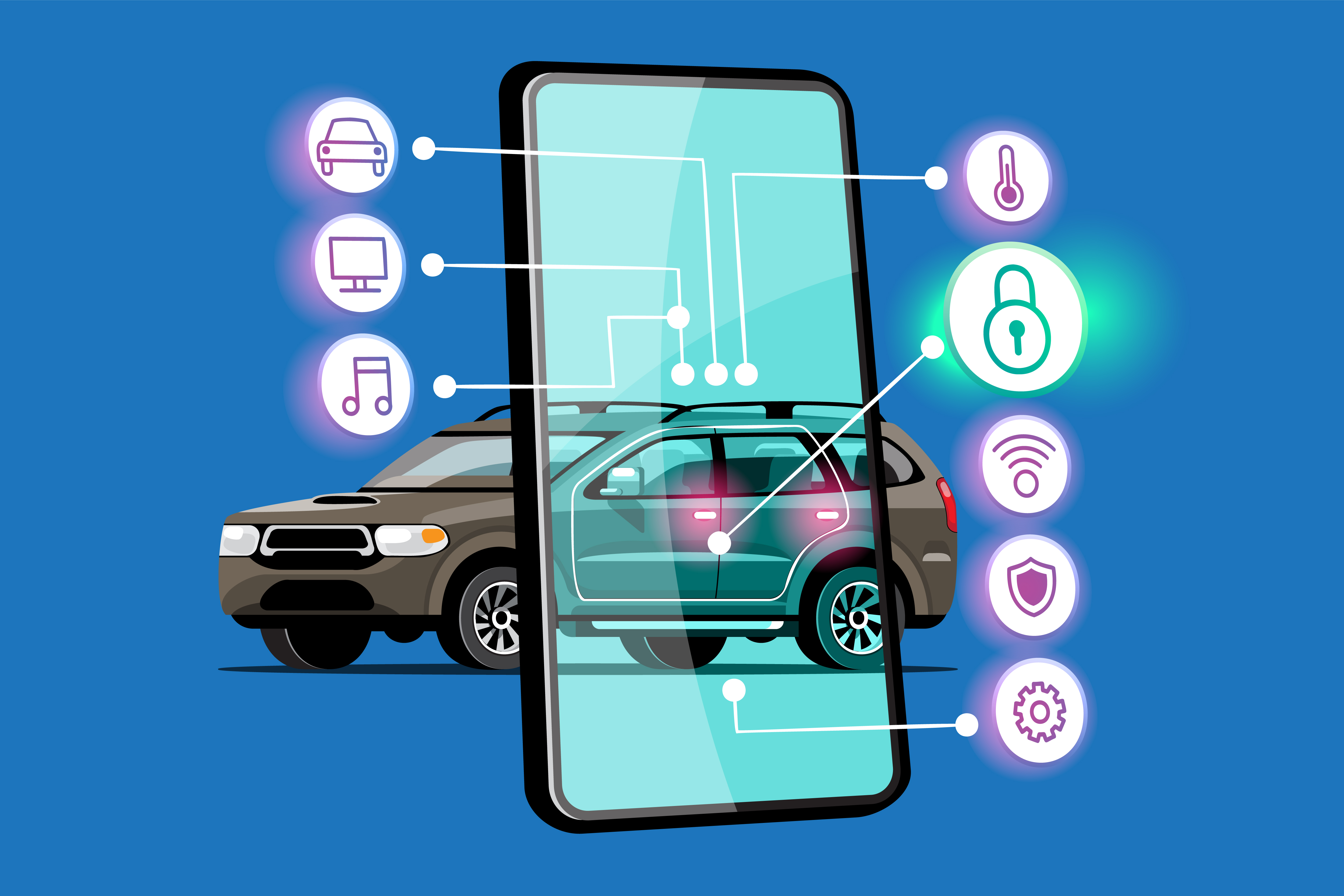
How does the automobile industry manage millions of connected vehicles operating across diverse geographies while maintaining performance, safety, and efficiency? The answer lies in the integration of IoT devices and IoT networking into modern vehicle ecosystems.



These technologies enable continuous data exchange, remote monitoring, and intelligent decision-making. As vehicles evolve into software-driven assets, connectivity infrastructure has become central to operational control, fleet optimisation, and enhanced driver experiences.
The Role of Connected Vehicles in Modern Automotive Ecosystems
Connected vehicles form the foundation of digital mobility. Automotive manufacturers and fleet operators rely on embedded systems that transmit real-time data across networks.
These systems combine sensors, communication modules, and cloud platforms to create a unified ecosystem. The use of IoT devices enables vehicles to collect and transmit data related to performance, location, and driver behaviour. This data supports operational visibility and predictive insights.
Core Components of IoT-Enabled Vehicle Architecture
Connected vehicle systems rely on a structured architecture that integrates devices, connectivity, and platforms to enable efficient operations.
1. Device Layer: Sensors and Embedded Systems
Modern vehicles incorporate multiple sensors and embedded modules. These components collect granular data across various parameters.
Elements include:
-
Engine performance sensors.
-
GPS tracking modules.
-
Fuel monitoring systems.
-
Driver behaviour sensors.
-
Battery and EV monitoring units.
These IoT devices generate continuous streams of data that support diagnostics and analytics.
2. Connectivity Layer: Network Infrastructure
Reliable communication is essential for connected vehicles. IoT networking facilitates data transfer between vehicles and central platforms.
Connectivity technologies include:
-
Cellular networks such as 4G.
-
Low-power networks such as NB-IoT.
-
eSIM-based connectivity for remote provisioning.
-
Global roaming capabilities.
This layer enables uninterrupted communication across regions and operational environments.
3. Platform Layer: Centralised Management Systems
The platform layer aggregates and processes data from connected vehicles. It provides enterprises with visibility and control over their assets.
Key capabilities include:
-
Device lifecycle management.
-
Real-time monitoring dashboards.
-
Usage analytics.
-
Remote configuration tools.
Solutions such as Airtel IoT Connectivity support these capabilities by enabling centralised management of connected assets through a unified platform.
4. Application Layer: Business Use Cases
At the application level, automotive enterprises deploy tools that convert data into actionable insights.
These applications include:
-
Fleet management systems.
-
Predictive maintenance platforms.
-
Driver safety monitoring tools.
-
Electric vehicle performance tracking.
Main Use Cases in the Automobile Industry
Connected vehicle technologies enable a wide range of operational and strategic applications across the automotive industry.
Fleet Management and Logistics Optimisation
Fleet operators use connected systems to monitor vehicle movement and performance. IoT devices installed in vehicles transmit real-time location and status data.
Benefits include:
-
Route optimisation.
-
Reduced fuel consumption.
-
Improved asset utilisation.
-
Centralised fleet visibility.
Predictive Maintenance and Diagnostics
Predictive maintenance reduces downtime and operational costs. Vehicles equipped with sensors can detect anomalies before failures occur.
Major functions:
-
Monitoring engine health.
-
Identifying wear and tear patterns.
-
Scheduling maintenance proactively.
-
Reducing unexpected breakdowns.
Driver Behaviour Monitoring
Driver performance has a direct impact on safety and efficiency. Automotive systems analyse driving patterns using sensor data.
Main metrics tracked:
-
Speed variations.
-
Harsh braking events.
-
Idle time.
-
Acceleration patterns.
This data enables organisations to improve safety standards and reduce risk.
Electric Vehicle Monitoring
Electric vehicles require advanced monitoring systems. Connected platforms track battery performance and charging patterns.
Applications include:
-
Battery health monitoring.
-
Charging cycle analysis.
-
Range optimisation.
-
Energy consumption tracking.
Importance of IoT Networking in Automotive Operations
IoT networking plays a central role in enabling connected vehicle ecosystems. It supports continuous data flow between vehicles and enterprise systems.
Advantages include:
-
Real-time communication across distributed fleets.
-
Scalability for large deployments.
-
Reliable data transmission across geographies.
-
Support for low-power applications.
Automotive enterprises depend on robust connectivity to maintain operational continuity.
Benefits of IoT Integration in the Automotive Industry
The integration of connected technologies delivers measurable business outcomes.
Operational Efficiency
-
Improved fleet utilisation.
-
Reduced downtime through predictive insights.
-
Streamlined maintenance processes.
Cost Optimisation
-
Lower fuel consumption.
-
Reduced maintenance expenses.
-
Efficient resource allocation.
Enhanced Safety
-
Monitoring driver behaviour.
-
Early detection of vehicle issues.
-
Improved compliance with safety standards.
Data-Driven Decision Making
-
Real-time analytics.
-
Historical performance tracking.
-
Strategic planning based on insights.
Role of Airtel IoT Connectivity in Connected Vehicle Management
Airtel IoT Connectivity provides enterprises with the infrastructure required to manage connected vehicles at scale. It integrates connectivity, platform capabilities, and security features into a unified solution.
Main contributions include:
-
Centralised SIM and device management.
-
Real-time monitoring of vehicle connectivity.
-
Secure communication through private networks.
-
Support for global deployments.
This solution aligns with automotive requirements where continuous connectivity and control are essential.
Connectivity Technologies Comparison for Automotive Use
The selection of appropriate connectivity technologies plays a critical role in enabling efficient and scalable connected vehicle operations.
|
Technology |
Use Case |
Advantages |
Limitations |
|
4G Cellular |
Real-time vehicle tracking |
High speed, wide coverage |
Higher power consumption |
|
NB-IoT |
Low-power sensors |
Energy efficient, long range |
Lower data bandwidth |
|
eSIM |
Global fleet operations |
Remote provisioning |
Requires compatible devices |
|
GPS Integration |
Location tracking |
Accurate positioning |
Dependent on signal availability |
This comparison highlights how different connectivity technologies support varied automotive applications.
Security Considerations in Connected Vehicles
Security remains a critical factor in connected vehicle ecosystems. Data transmitted across networks must be protected from unauthorised access.
Security measures include:
-
Private APN for network isolation.
-
Encryption of data in transit.
-
Controlled access to device networks.
-
Authentication mechanisms for connected assets.
Airtel IoT Connectivity incorporates these features to support secure automotive deployments.
Challenges in Managing Connected Vehicles
Despite the advantages, the automotive industry faces several challenges in implementing connected systems.
Connectivity Reliability
Maintaining consistent network coverage across regions remains a significant challenge. Vehicles often operate in remote or low-connectivity areas where network availability is limited. This can disrupt real-time data transmission and affect critical functions such as tracking and diagnostics.
Data Management Complexity
Connected vehicles generate large volumes of data continuously. Managing this data requires robust infrastructure for storage, processing, and analysis. Without efficient data handling mechanisms, organisations may face delays in deriving actionable insights and increased operational costs.
Integration with Legacy Systems
Many automotive enterprises rely on legacy infrastructure that may not be compatible with modern connected platforms. Integrating new technologies with existing systems requires careful planning, investment, and technical expertise to avoid operational disruptions.
Scalability Requirements
Managing large fleets with thousands of connected vehicles demands highly scalable systems. Organisations must deploy platforms capable of handling increasing device volumes, data loads, and geographic expansion without compromising performance or reliability.
Future Trends in IoT-Driven Automotive Ecosystems
Managing large fleets with thousands of connected vehicles demands highly scalable systems. Organisations must deploy platforms capable of handling increasing device volumes, data loads, and geographic expansion without compromising performance or reliability.
Autonomous Vehicles
Connected systems support autonomous driving by enabling continuous real-time data exchange between vehicles and central platforms. This allows faster decision-making, improved navigation accuracy, and enhanced operational control in dynamic environments.
Vehicle-to-Everything (V2X) Communication
V2X communication enables vehicles to interact with infrastructure, other vehicles, and pedestrians. This improves traffic management, reduces collision risks, and supports coordinated mobility systems in urban environments.
Advanced Analytics and AI Integration
Data collected from connected vehicles is analysed using artificial intelligence. This enables predictive maintenance, driver behaviour analysis, and performance optimisation based on data-driven insights.
Expansion of Electric Mobility
Connected systems support electric vehicle ecosystems by monitoring battery performance, managing charging infrastructure, and optimising energy consumption across fleets.
Strategic Considerations for Automotive Enterprises
Automotive organisations must adopt a structured approach to implementing connected vehicle solutions.
Considerations include:
-
Selection of scalable connectivity infrastructure.
-
Integration of device and platform ecosystems.
-
Focus on data security and compliance.
-
Alignment with long-term digital transformation goals.
Solutions such as Airtel IoT Connectivity support these strategic requirements by providing integrated capabilities tailored for enterprise use.
Driving Connected Mobility Forward
The integration of connected technologies has reshaped the automotive industry into a data-driven ecosystem. IoT devices and IoT networking enable real-time visibility, predictive insights, and operational control across vehicle fleets. Automotive enterprises can improve efficiency and safety by adopting advanced connectivity frameworks.
To accelerate outcomes, organisations should choose platforms such as IoT Connectivity, which provide centralised SIM management, real-time monitoring, secure private networks, and global connectivity support aligned with long-term mobility strategies.
FAQs
-
Connected vehicles enable real-time tracking, performance monitoring, and route optimisation. They help automotive enterprises reduce fuel costs, improve asset utilisation, and maintain better operational control across distributed fleets.
-
IoT devices collect data from vehicle systems such as engines, location, and driver behaviour. This data supports diagnostics, predictive maintenance, and performance analysis, helping automotive organisations improve efficiency and reduce operational risks.
-
IoT networking enables continuous data exchange between vehicles and central platforms. It supports real-time communication, remote monitoring, and scalable connectivity, which are essential for managing large fleets and distributed automotive operations effectively.
-
Main challenges include maintaining reliable connectivity, managing large volumes of data, integrating with legacy systems, and scaling infrastructure. Automotive enterprises must address these issues to achieve efficient and sustainable connected vehicle operations.
-
Automotive enterprises should evaluate scalability, security, global connectivity, and platform capabilities. Selecting solutions with centralised management and reliable network infrastructure helps support long-term connected vehicle strategies and operational efficiency.