Share
ShareHow IoT SIM Cards Work and How to Manage Them Efficiently
-
 April 15, 2026
 -

 8 min read
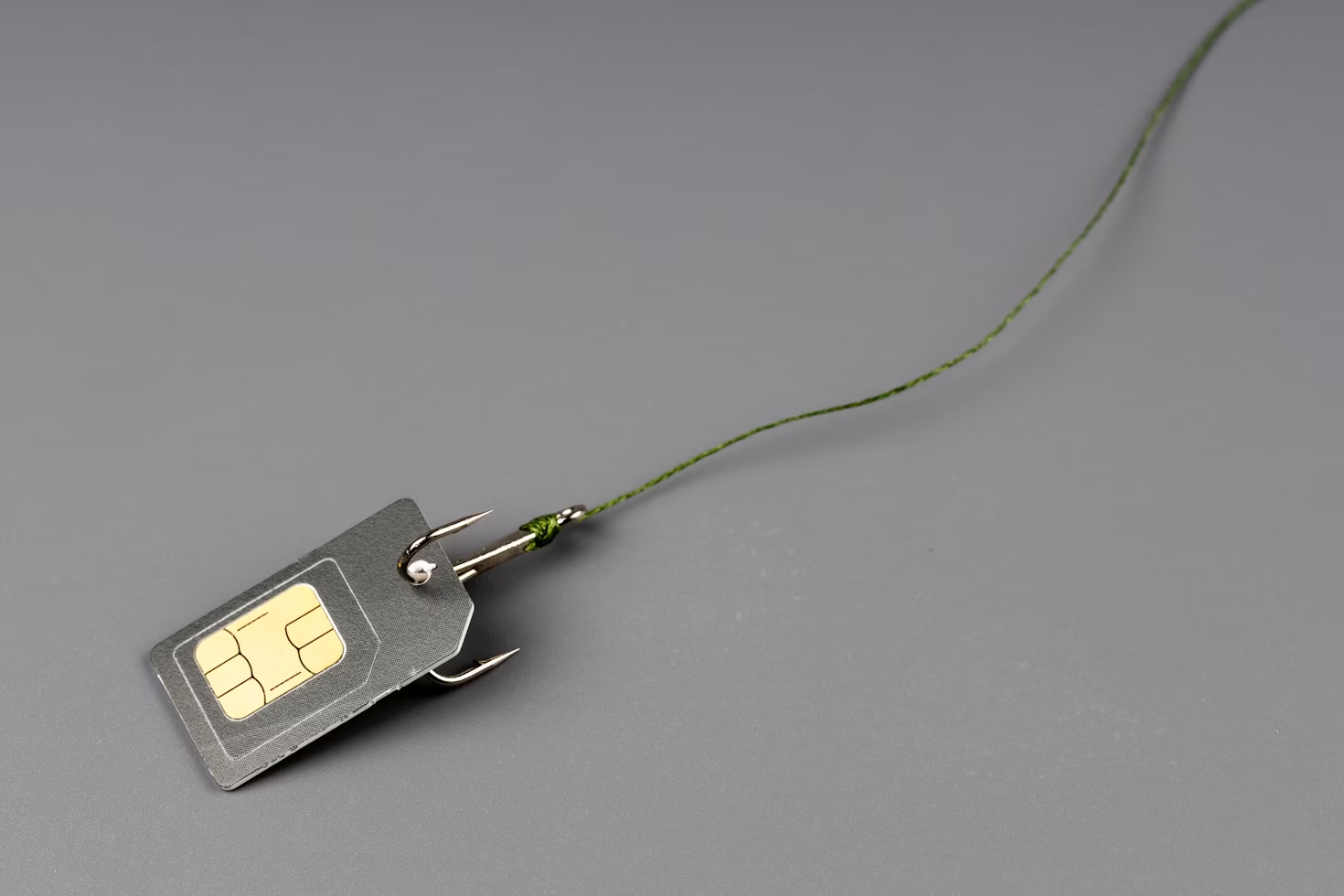
Industrial operations, connected logistics, and digital infrastructure increasingly depend on intelligent connectivity layers. IoT SIM cards play a central role in enabling devices to communicate across distributed environments with minimal human intervention. These SIMs are designed for durability, scalability, and remote management.
As enterprises expand connected ecosystems, efficient control of IoT SIMs becomes critical to maintain performance, optimise costs, and support consistent operational outcomes across diverse deployment scenarios.



What Are IoT SIM Cards?
IoT SIM cards are specialised SIMs developed for machine-to-machine communication and large-scale connected environments. They allow devices such as sensors, industrial machines, and tracking units to connect directly to cellular networks.
These SIMs differ from traditional SIM cards due to their ability to support long-term deployments, remote updates, and high device volumes. They are widely deployed across various types of IoT, including industrial automation, smart cities, and consumer-connected systems.
Main Characteristics
-
Designed for long lifecycle deployments.
-
Support remote provisioning and updates.
-
Operate in extreme environmental conditions.
-
Provide multi-network access.
-
Include enhanced security protocols.
How IoT SIM Cards Work
IoT SIM cards operate through a structured communication process that connects devices, networks, and management platforms.
1. Device Integration
IoT SIM cards are embedded into devices such as sensors, gateways, and telematics systems. These devices collect data based on specific operational requirements. The SIM enables device identification and secure communication with telecom networks.
2. Network Authentication and Connectivity
When powered on, the SIM authenticates with the nearest available cellular network. Authentication is performed using encrypted credentials stored on the SIM.
Connectivity can be established through:
-
2G or 4G networks for standard use cases.
-
LTE-M for mobile applications.
-
NB-IoT for low-power, wide-area deployments.
Multi-network capability improves reliability, especially in geographically distributed deployments.
3. Data Transmission
Once connected, devices transmit data to central servers or cloud platforms. This data may include operational metrics, location details, and sensor readings.
Transmission can be configured for:
-
Real-time communication.
-
Scheduled intervals.
-
Event-based triggers.
4. Platform Integration
Data is routed to an IoT management platform where it is processed and visualised. Platforms enable enterprises to monitor device performance, connectivity status, and usage patterns.
A solution such as Airtel IoT Connectivity provides a unified platform where connectivity and device management are integrated. This reduces dependency on multiple systems and improves operational control.
5. Remote SIM Management
IoT SIM cards support remote control capabilities. Administrators can manage SIMs without physical access to devices.
Key actions include:
-
Activation and deactivation.
-
Plan modification.
-
Diagnostics and troubleshooting.
This capability is critical for large-scale deployments.
Main Features of IoT SIM Cards
IoT SIM cards incorporate advanced features that support enterprise-grade applications.
Core Features
-
Global Connectivity: Access to multiple networks across regions.
-
Remote Provisioning: Configuration updates over the air.
-
Durability: Resistance to harsh environments.
-
Security: Encrypted communication and authentication.
-
Scalability: Support for large device ecosystems.
These features enable organisations to deploy IoT solutions at scale.
Types of IoT SIM Cards
Different use cases require different SIM formats and capabilities.
Common Types
|
Type |
Description |
Use Case |
|
Standard SIM |
Removable SIM card |
Retail and POS systems |
|
Embedded SIM (eSIM) |
Soldered into device |
Automotive and industrial systems |
|
Integrated SIM (iSIM) |
Built into chipset |
Compact IoT devices |
|
Multi-IMSI SIM |
Supports multiple operator profiles |
Global deployments |
These SIM types support multiple types of IoT, enabling flexibility across industries and deployment environments.
Benefits of IoT SIM Cards for Enterprises
IoT SIM cards provide measurable operational advantages across industries.
Key Benefits
-
Real-time monitoring of assets and operations.
-
Reduced manual processes through automation.
-
Centralised control of distributed devices.
-
Data-driven operational improvements.
-
Optimised connectivity costs through usage tracking.
Platforms such as Airtel IoT Connectivity allow enterprises to consolidate connectivity and device management into a single interface, improving efficiency.
Challenges in Managing IoT SIM Deployments
Large-scale deployments introduce operational and technical challenges.
Common Challenges
-
Managing SIM lifecycles across multiple locations.
-
Maintaining consistent connectivity across regions.
-
Securing devices and communication channels.
-
Controlling data consumption and costs.
-
Limited visibility without centralised platforms.
Types of M2M SIM Cards
IoT connectivity frameworks are built on machine-to-machine (M2M) communication. M2M SIM cards form the foundational layer that enables direct device connectivity before data is processed at the IoT platform level.
While IoT SIMs extend into platform and analytics capabilities, M2M SIMs focus primarily on device-level communication. Understanding their types helps in selecting the right connectivity approach.
Common Types
|
Type |
Description |
Use Case |
|
Standard M2M SIM |
Traditional removable SIM |
POS machines, ATMs |
|
Industrial SIM |
Built for extreme conditions |
Manufacturing, utilities |
|
Automotive-Grade SIM |
Designed for mobility and durability |
Connected vehicles |
|
Global Roaming SIM |
Supports multiple networks globally |
Logistics and supply chains |
These SIMs are commonly managed through platforms such as Airtel M2M login, which allow enterprises to monitor connectivity, control SIM lifecycles, and manage deployments at scale.
Top IoT SIM Management Strategies
Efficient management depends on adopting the right tools and processes.
1. Centralised SIM Management Platforms
A centralised platform provides complete visibility into SIM status and performance. It allows administrators to control large deployments from a single interface.
Using systems such as Airtel M2M login, organisations can:
-
Monitor SIM activity in real time.
-
Activate or suspend connections.
-
Track data usage across devices.
2. Lifecycle Management
Managing the full lifecycle of IoT SIMs is critical for operational efficiency.
Lifecycle Stages
-
SIM provisioning and configuration.
-
Deployment and activation.
-
Continuous monitoring.
-
Temporary suspension if required.
-
Decommissioning at end of lifecycle.
Automation of these stages reduces manual intervention. Access through Airtel M2M login enables structured lifecycle control and reduces operational complexity.
3. Data Usage Optimisation
Data consumption directly impacts cost structures.
Recommended Actions
-
Set predefined data usage limits.
-
Configure alerts for unusual spikes.
-
Analyse usage trends regularly.
-
Adjust transmission frequency based on use case.
Using Airtel M2M login, enterprises can track usage patterns and implement cost control measures effectively.
4. Network Management and Redundancy
Reliable connectivity is essential for IoT deployments.
-
Multi-network SIMs allow automatic switching.
-
Reduced downtime in low-coverage areas.
-
Improved performance across geographies.
5. Security and Access Control
IoT deployments require strong security frameworks. Security frameworks protect both devices and transmitted data.
Security Measures
-
SIM-based authentication.
-
End-to-end encryption.
-
Controlled access permissions.
-
Continuous monitoring of anomalies.
Role of IoT Platforms in SIM Management
IoT platforms provide a central control layer for managing connectivity and devices.
Platform Capabilities
-
Real-time dashboards for monitoring.
-
API integration with enterprise systems.
-
Automated alerts and workflows.
-
Advanced analytics for performance tracking.
Airtel IoT Connectivity enables enterprises to manage SIMs, devices, and data through a unified platform. This improves operational visibility and simplifies management processes.
Comparing Traditional SIM vs IoT SIM
This comparison highlights the advantages of IoT SIM cards in enterprise environments.
|
Feature |
Traditional SIM |
IoT SIM |
|
Usage |
Consumer communication |
Machine connectivity |
|
Management |
Manual |
Remote and automated |
|
Scalability |
Limited |
High scalability |
|
Durability |
Standard |
Industrial-grade |
|
Connectivity |
Single network |
Multi-network support |
Industry Applications of IoT SIM Cards
IoT SIM cards are widely deployed across industries to enable real-time connectivity, automation, and data-driven operations. Their ability to support large-scale device networks makes them essential for modern enterprise systems.
Major Industries
-
Automotive: Supports vehicle tracking, telematics, and predictive maintenance systems.
-
Utilities: Enables smart metering, grid monitoring, and energy usage optimisation.
-
Logistics: Facilitates asset tracking, fleet visibility, and route optimisation.
-
Manufacturing: Powers equipment monitoring, automation, and industrial IoT systems.
-
Healthcare: Enables remote patient monitoring and connected medical devices.
These applications span multiple types of IoT, highlighting the scalability of IoT SIM deployments across diverse operational environments.
Best Practices for Efficient IoT SIM Management
Organisations can improve operational efficiency and control by adopting structured best practices for managing IoT SIM deployments. A systematic approach reduces complexity and supports scalability across large device networks.
Recommended Practices
-
Deploy Centralised Management Platforms: Use unified dashboards to monitor SIM status, connectivity, and device performance from a single interface.
-
Automate Provisioning and Updates: Enable remote activation, configuration, and firmware updates to minimise manual intervention.
-
Monitor Performance and Usage Continuously: Track data consumption, connectivity health, and device activity in real time.
-
Implement Strong Security Protocols: Apply encryption, authentication, and access controls to protect devices and data.
-
Use Analytics for Optimisation: Analyse usage patterns and performance metrics to improve efficiency and control costs.
Airtel IoT Connectivity provides an integrated solution that combines connectivity, SIM management, and analytics. This allows enterprises to reduce complexity and improve operational control across large deployments.
Future Trends in IoT SIM Management
IoT SIM technology is evolving rapidly as enterprises scale connected ecosystems and demand higher efficiency from connectivity infrastructure. Advancements in network technologies and device integration are shaping the next phase of IoT deployments.
Emerging Trends
-
Adoption of eSIM and iSIM: Enables remote provisioning and reduces dependency on physical SIM handling.
-
Expansion of Low-Power Networks: Technologies such as NB-IoT support energy-efficient, long-range communication.
-
AI-Driven Analytics: Improves predictive maintenance, anomaly detection, and performance optimisation.
-
Global Connectivity Growth: Multi-network access supports cross-border deployments with consistent performance.
Strengthening IoT Operations with Smarter SIM Management
IoT SIM cards are critical for enabling reliable, scalable, and controlled device connectivity across enterprise environments. Efficient management requires centralised visibility, automated lifecycle processes, and continuous performance monitoring. Organisations should adopt platforms that combine connectivity, SIM control, and real-time monitoring within a single system.
IoT Connectivity provides a unified system to streamline operations and improve scalability. Enterprises should opt for such solutions to enhance efficiency, optimise costs, and strengthen long-term IoT performance.
FAQs
-
An IoT SIM card supports machine communication, remote management, multi-network connectivity, and durability, unlike regular SIMs designed mainly for consumer mobile usage.
-
Organisations use centralised platforms like Airtel M2M login to monitor SIMs, manage lifecycles, track usage, and control connectivity across devices.
-
IoT SIM cards provide real-time data, operational visibility, automation, scalable connectivity, cost optimisation, and improved control over distributed connected device networks.
-
Industries such as automotive, logistics, manufacturing, utilities, and healthcare use IoT SIM cards for tracking, monitoring, automation, and remote operations.
-
Organisations improve security by using encryption, authentication, access control, and continuous monitoring to protect devices, data, and communication networks effectively.