Share
ShareWhat are IoT Devices? Types, Examples & How They Communicate
-
 November 15, 2025
 -

 9 min read
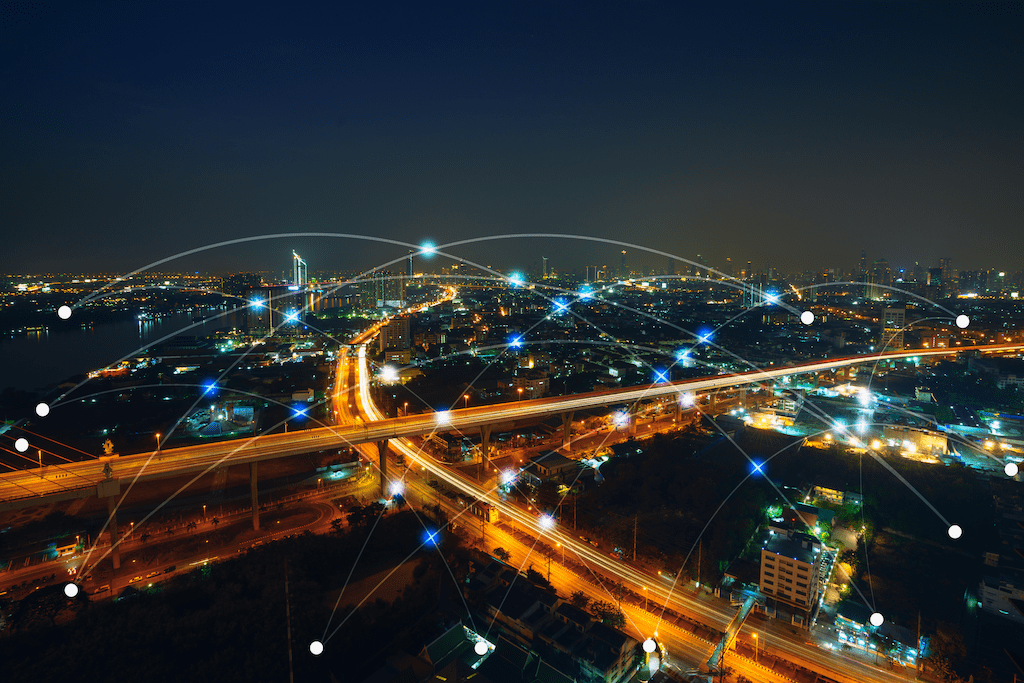
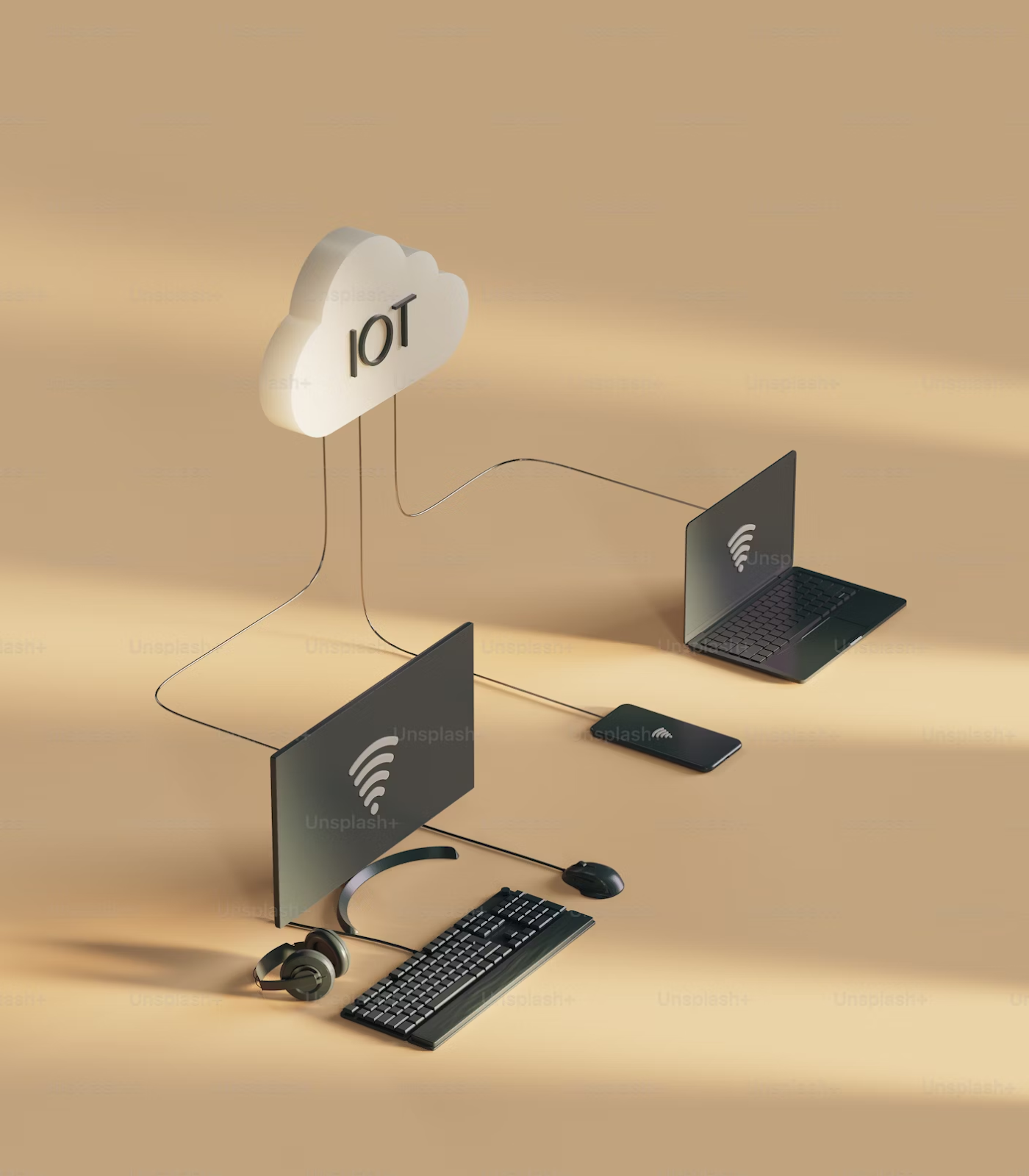
The Internet of Things (IoT) is a system of interconnected physical devices that communicate via network connectivity using various communications protocols. IoT is at the center of a Digital Transformation that aims to change everything from managing and controlling our homes to automating processes across almost all industries.
What are IoT Devices and How Do They Work?
IoT devices have quietly transformed how homes, industries, and cities operate. These connected machines talk to each other, exchange information in real time, and power modern automation. Whether it’s a smart meter in a household or an industrial sensor in a manufacturing plant, every IoT device over internet helps build a more intelligent, efficient ecosystem.



In this article, we will go through what IoT devices are, how they function, and how businesses deploy them across industries. You’ll also see how advanced communication models and connectivity options and how the Airtel IoT Connectivity enables companies to connect IoT devices securely and efficiently.
Understanding IoT Devices
An IoT device is any physical object equipped with sensors, software, and connectivity that allow it to collect and exchange data with other systems over the internet. Unlike traditional machines that work in isolation, IoT smart devices stay connected continuously to deliver valuable insights and automate actions.
Core Features of IoT Devices
-
Embedded Sensors: They detect physical parameters like temperature, motion, pressure, or location.
-
Connectivity Module: This enables the device to send and receive data using technologies such as Wi-Fi, 4G, 5G, NB-IoT, or Bluetooth.
-
Data Processing Unit: It processes the gathered information before sending it to the cloud.
-
Cloud Integration: Data from IoT devices over internet is stored, processed, and analysed remotely.
-
Automation Capability: Devices can take actions automatically based on rules or predictive models.
These features make IoT devices suitable for both consumer and industrial environments; from smart doorbells and AI pins to smart meters and connected factory equipment.
How IoT Devices Operate
Every IoT device follows a basic operational flow that includes sensing, communication, and decision-making. The goal is to collect real-world data and use it to create meaningful actions.
Step-by-Step Operation
-
Sensing and Capturing: Sensors record environmental or operational data; for example, a smart thermostat captures temperature variations.
-
Data Transmission: The IoT device over internet sends this information to a central platform via Wi-Fi, 4G, 5G, or NB-IoT.
-
Data Processing: The cloud platform or an edge computing node analyses incoming data.
-
Action Execution: Based on analysis, the device or system triggers a specific response. For example, turning on a fan when a room gets warm.
-
User Feedback: Data visualisation dashboards or apps present insights to users in real time.
This simple yet powerful cycle drives smart homes, connected vehicles, and industrial automation.
Key Market Stats
The IoT landscape is expanding rapidly, reshaping how industries and individuals interact with technology. Analysts forecast remarkable growth over the next decade, reflecting how deeply IoT devices are integrated into modern life.
-
The global IoT market size is projected to surpass USD 2.72 trillion by 2030, fuelled by widespread adoption across manufacturing, healthcare, logistics, and consumer electronics.
-
The number of connected devices worldwide is expected to exceed 39 billion by 2030, showing how digital ecosystems now link everything from vehicles to household appliances.
-
Smart home penetration is forecast to reach over 90% of households by 2029, signalling that connected living is becoming the global standard.
These figures highlight how IoT smart devices continue to drive innovation, efficiency, and everyday convenience across the world.
Real-World Examples of IoT
The most valuable aspect of IoT lies in real-world applications. Businesses across industries deploy IoT smart devices to cut costs, increase safety, and improve decision-making. Let’s look at five examples that show real impact.
1. Smart Metering
-
Utilities monitor energy and water usage in real time through connected smart meters.
-
Automated readings replace manual data collection.
-
The system enables remote billing, outage detection, and connection control.
-
NB-IoT networks transmit small data packets efficiently even in rural areas.
-
Airtel IoT connectivity supports utilities with hybrid options (NB-IoT, 4G, 2G) and cloud-hosted billing systems.
Business Impact: Lower operational costs, improved accuracy, and faster fault management.
2. Asset Tracking
-
Logistics companies use IoT devices to track containers, vehicles, and valuable assets.
-
Real-time GPS data allows route optimisation and theft prevention.
-
Businesses can connect IoT devices to platforms that show location and status at any given moment.
-
Airtel’s solution delivers global connectivity and real-time fleet analytics.
Business Impact: Reduced losses, improved asset utilisation, and timely deliveries.
3. Industrial Sensors (Predictive Maintenance)
-
Factories install IoT smart devices that monitor temperature, vibration, and wear.
-
Data patterns predict potential failures before breakdowns occur.
-
Sensors send alerts via industrial gateways directly to maintenance teams.
-
Using Airtel IoTHub, manufacturers can monitor all connected sensors from a single dashboard.
Business Impact: Reduced downtime, extended machine life, and optimised maintenance schedules.
4. Vehicle Telematics
-
Vehicles equipped with IoT devices over internet record driver behaviour, engine performance, and location.
-
Data helps fleet managers track usage, fuel consumption, and compliance.
-
Airtel IoT supports eSIM-based connectivity for real-time alerts and vehicle diagnostics.
Business Impact: Enhanced safety, predictive maintenance, and cost efficiency in transport operations.
5. Retail IoT (Footfall + Smart Shelves)
-
Retailers deploy IoT smart devices such as smart shelves, cameras, and beacons.
-
Devices count footfall, monitor inventory, and track customer interaction.
-
Data supports dynamic pricing and layout decisions.
-
Retailers can connect IoT devices across stores via 4G or 5G for unified analytics.
Business Impact: Smarter inventory control, better customer experience, and increased sales.
Types of IoT Devices Across Industries
IoT devices come in many forms depending on their use environment. Broadly, they fall into two categories: consumer and enterprise IoT devices.
Consumer IoT Devices
These products focus on convenience, comfort, and personal efficiency.
-
AI Pins: Wearable pins that use voice and gesture to access digital information hands-free.
-
Smart Rings: Compact wearables that track health metrics and allow contactless payments.
-
Smart Glasses: Provide augmented reality overlays for communication and navigation.
-
Smart Speakers: Voice-activated assistants that control home devices and play media.
-
Smart TVs: Connect to streaming platforms, integrating entertainment and automation.
Usage: These IoT smart devices enhance daily routines and personal productivity.
Enterprise IoT Devices
Businesses deploy these connected tools to improve operations and productivity.
-
Smart Wi-Fi Systems: Manage bandwidth and user access in offices.
-
Fingerprint Timeclocks: Automate attendance tracking securely.
-
Robots & Workplace Assistants: Perform repetitive or hazardous tasks.
-
Smart Lighting Solutions: Adjust brightness and energy use automatically.
-
Industrial Sensors: Monitor critical parameters for machinery.
-
Smart HVAC Systems: Regulate air quality and energy consumption.
-
Connected Manufacturing Equipment: Provide continuous operational feedback.
Usage: These IoT devices improve efficiency, accuracy, and decision-making across industries.
How IoT Devices Communicate (5-Layer Model)
Communication is the backbone of IoT. The following five-layer model explains how connected systems transmit and act on data efficiently.
|
Layer |
Function |
Example |
|
1. Devices (Sensors & Actuators) |
These IoT smart devices capture data or perform actions. |
Temperature sensor in an engine or a motion detector in retail. |
|
2. Gateways |
Gateways collect data from sensors and send it to cloud servers using secure protocols. |
Edge gateways in factories or routers in smart homes. |
|
3. Platforms |
Platforms process, store, and analyse information from IoT devices over internet. |
Airtel IoTHub or AWS IoT Core. |
|
4. Connectivity & Communication |
Data travels via wired or wireless technologies such as NB-IoT, 4G, or 5G. |
Airtel’s multi-network connectivity supports industrial and rural IoT. |
|
5. User Interface |
Dashboards and mobile apps display insights or control devices remotely. |
Fleet management dashboards or smart home apps. |
Each layer plays a distinct role in enabling smooth data flow and actionable insights. Businesses connect IoT devices across these layers to automate systems effectively.
Connectivity Choices and Why They Matter
Connectivity defines the reliability and reach of any IoT deployment. Different applications demand different network technologies. Airtel’s connectivity ecosystem offers scalable, secure, and industry-specific options that empower businesses to deploy IoT devices with confidence.
Why NB-IoT Works for Smart Metering
-
NB-IoT consumes very little power and penetrates deep indoor or remote areas.
-
Perfect for smart meters and sensors that send small, infrequent data packets.
-
Airtel IoT connectivity supports NB-IoT alongside 2G and 4G, providing flexibility for utilities.
Why 4G/5G Fits Connected Manufacturing
-
High-speed 4G and ultra-low-latency 5G support real-time industrial automation.
-
Factories can connect IoT devices like robotic arms and quality sensors seamlessly.
-
Airtel’s 5G-ready network enables large-scale industrial communication with minimal delay.
Airtel IoT Platform – SIM Lifecycle Management and Security
-
The Airtel IoTHub acts as a central platform for SIM lifecycle management, remote diagnostics, and real-time analytics.
-
Businesses can control every connected IoT device over internet through one dashboard.
-
The platform offers secure APNs, API integration, and multi-cloud support.
-
Dual-profile eSIMs automatically switch between networks to maintain constant connectivity.
Airtel Smart Connectivity Tools – Alerts and Real-Time Analytics
-
Tools include bulk SIM activation, real-time usage alerts, and device-level diagnostics.
-
Analytics dashboards display live network data, helping teams take quick action.
-
Predictive maintenance and cost control become easier when you connect IoT devices through Airtel’s ecosystem.
Final Thoughts
IoT devices represent one of the most powerful technological shifts of our era. From smart homes to connected factories, they bridge the physical and digital worlds. Each IoT device over internet contributes to a vast network of intelligence that makes business operations smarter, safer, and more efficient.
By choosing the right connectivity, such as NB-IoT for remote devices or 5G for high-speed automation, organisations can maximise the value of their IoT deployments. Platforms like Airtel IoT Hub and Airtel Smart Connectivity Tools make it simpler to connect IoT devices, analyse data in real time, and manage them securely.
As industries evolve, the fusion of IoT smart devices, intelligent platforms, and robust connectivity will continue to redefine productivity and innovation in the digital economy.