Share
ShareWhy Are Financial Institutions Prime Targets for Cyberattacks, and How Can They Stay Protected?
-
 August 21, 2025
 -

 7 min read
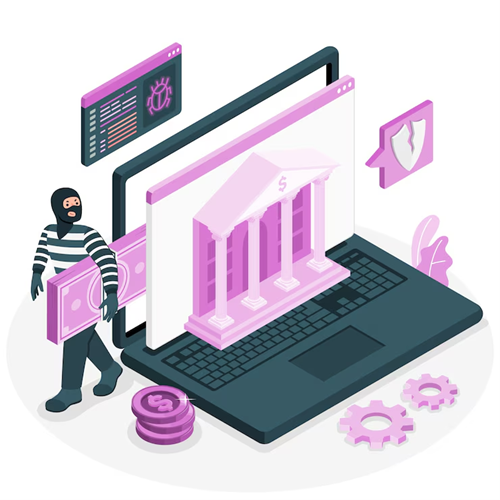
As highlighted in the Economic Survey 2024–25, financial institutions, especially banks, saw the highest number of cybersecurity incidents, accounting for nearly 20% of all reported cases. It also warns that the ongoing digital transformation in the financial sector is increasing exposure to a wider range of cyber threats. So, the issue of cyberattacks on financial institutions is intense.
It’s not just about big banks anymore. NBFCs, cooperative banks, insurance firms, and fintech startups all are getting affected. But why exactly are financial institutions so frequently attacked, and more importantly, how can they defend themselves in this high-stakes environment?



Let’s go into the core of the issue and explore practical steps to strengthen cybersecurity.
Why Financial Institutions Remain Constantly Under Cyber Threat
These organisations manage vast volumes of money, data, and transactions every day. Hackers view them as high-value targets with high exposure. The question isn’t if they will be targeted, but when.
Given the criticality of the issue, let’s get to the key reasons behind this constant threat of cyberattacks on financial institutions.
1. High Financial Payoff for Attackers
Criminals target banks, NBFCs, and fintech platforms because of the direct link to money. A successful breach could allow unauthorised fund transfers, ATM withdrawals, or theft of digital wallets. Unlike many industries, financial firms give cybercriminals a chance to monetise their attacks quickly. It’s not just about data; it’s about immediate financial gain.
2. Sensitive Customer Data at Risk
Banks and financial platforms store more than account balances. They hold customer IDs, Aadhaar details, phone numbers, loan applications, and more. This data is extremely valuable on the dark web. Attackers steal it for identity theft, loan fraud, or blackmail. Institutions that fail to secure this information risk massive reputational damage.
3. 24×7 Digital Operations
The financial system does not stop. ATMs, mobile apps, online banking portals, and payment systems must remain available at all times. Cybercriminals exploit this around-the-clock nature by launching attacks during off-peak hours, nights, weekends, and public holidays, when IT teams might not monitor systems as closely. This makes the attack window easier to access.
4. Dependence on Legacy Systems
Many financial institutions still run critical operations on outdated software. These systems often lack security patches or compatibility with modern cyber tools. While new digital services are added, the old core banking systems remain vulnerable. The combination of old infrastructure and new attack methods makes security difficult to maintain.
5. Expanding Attack Surface Due to Digital Growth
With the rise of digital banking, UPI, mobile wallets, and APIs, financial firms must handle dozens of entry points. Each customer touchpoint, from a mobile app to a third-party vendor integration, presents a potential vulnerability. As institutions grow digitally, they also increase their exposure.
6. The Pressure of Public Trust
People trust financial institutions with their earnings and savings. A single data breach can shake that trust overnight. Hackers know this. By targeting financial firms, they can trigger panic, media attention, and, in some cases, ransom payments. The pressure to restore operations quickly often forces institutions into difficult decisions.
How Financial Institutions Can Stay Protected?
The rising scale and sophistication of cyberattacks on financial institutions demand more than reactive measures. Prevention, resilience, and preparedness must become part of day-to-day operations. No single tool or policy can secure an institution completely. Instead, a combination of strategic, technical, and human-focused defences can help reduce risk.
Here are the most effective steps financial institutions can take to strengthen their cyber posture:
1. Shift to Secure Office Internet
Standard or home-grade broadband is not built for business security. Financial institutions need business-grade internet with built-in network protection. A secure office internet solution offers more than speed; it includes firewall capabilities, DNS filtering, and protection against malicious websites. This is the first line of defence against external intrusions.
2. Enforce Multi-Layered Security
Cybersecurity must operate at multiple levels. Network, device, application, and user layers all require protection. Institutions must install next-generation firewalls, endpoint detection tools, and secure access gateways. Each security layer adds friction for attackers while allowing legitimate users to carry out their work safely.
3. Monitor All Endpoints and Devices
Every computer, mobile device, ATM, and cloud server connected to a bank’s network is a potential risk. Endpoint protection tools can detect suspicious activity and isolate compromised devices before an attack spreads. Regular updates, patching, and audits further reduce vulnerabilities across devices.
4. Implement Role-Based Access Controls
Not every employee needs access to sensitive data or critical systems. Limiting access based on job role restricts the ability of attackers to move laterally within the organisation. Institutions must review user permissions regularly and revoke access for inactive or terminated accounts immediately.
5. Train Staff Continuously
Employees can be both a defence and a weakness. Regular cybersecurity awareness training helps them identify phishing emails, fraudulent requests, and risky behaviour. Simulation exercises and refresher sessions reinforce safe habits and reduce the chance of human error.
6. Prepare for the Worst
Having a cyber incident response plan is crucial. Institutions must know how to detect, contain, and recover from an attack. This includes data backup systems, communication protocols, and coordination with law enforcement. Being prepared reduces damage and speeds up recovery.
How Office Internet Helps Secure Financial Institutions
When it comes to securing financial institutions, network infrastructure plays a critical role. Office Internet goes far beyond offering just high-speed broadband. It integrates enterprise-grade security features directly into the internet service and addresses some of the most pressing concerns that financial institutions face today.
Here’s how this secure office internet strengthens cybersecurity for banks, NBFCs, insurance firms, and fintech platforms:
1. Built-in DNS Security by Cisco
One of the most frequent attack methods used by cybercriminals is redirecting users to fake or malicious websites. Airtel’s secure office internet addresses this at the root level with DNS security powered by Cisco. It blocks access to harmful domains, IP addresses, and cloud applications before any connection is made. This preemptive layer guards against phishing, malware downloads, and command-and-control servers.
For financial institutions that handle thousands of online transactions daily, this protects users and systems without slowing down the workflow.
2. Device Protection with Kaspersky
Airtel Office Internet includes integrated device security through Kaspersky, known globally for its expertise in threat detection. It helps protect endpoints, laptops, desktops, or shared workstations from ransomware, trojans, spyware, and viruses.
In an environment where a single infected device can compromise an entire financial network, having built-in endpoint protection reduces dependence on external tools and lowers risk.
3. Static IP for Secure Access and Remote Control
Financial businesses often need stable and secure remote access to core systems. Airtel offers static IPs, which allow for safe hosting of internal servers, remote access to office infrastructure, and uninterrupted use of VOIP systems. This is vital for operations like remote audits, real-time dashboards, and managing off-site teams securely.
Last Say
Cyberattacks on financial institutions are real, frequent, and growing. These businesses deal with sensitive data and money every day, which makes them a prime target. That’s why security can’t be an afterthought. It needs to be built into everything, from networks to devices to people.
Investing in a strong, business-ready, and secure office internet is one of the smartest first steps. That’s where Office Internet comes in. It’s not just fast; it’s designed with built-in protection for businesses that can’t take chances with security. If you run a financial organisation and want reliable connectivity with security you don’t have to think twice about, it’s worth exploring what Airtel offers.