Overview
The choice between 22 carat gold vs 24 carat gold isn’t complicated once you understand purity, durability, and your end use. 24K gold is 99.9% pure, while 22K gold contains 91.6% gold blended with alloy metals for strength. Knowing what is 22 carat gold and 24 carat gold helps you decide: pure investment asset or wearable jewellery. The difference between 22 carat and 24 carat gold matters whether you’re buying bullion, ornaments, or considering a gold loan.
Understanding Gold Purity and Carat
Carat measures gold purity on a 24‑part scale. 24‑carat gold is effectively pure gold, while 22‑carat gold mixes 22 parts gold with 2 parts of other metals, usually copper or silver. That small alloy addition transforms the metal’s behaviour – it becomes harder, more durable, and better suited to daily wear. The purity difference also affects price, resale value, and even how a gold loan provider evaluates your jewellery.
What Does Carat Mean?
Carat is the unit that tells you how many parts of pure gold are present out of a maximum of 24.
Gold Purity Explained
Purity is expressed as a percentage: 24K is 99.9% pure, 22K is 91.6% pure – the “916” hallmark you often see. To identify 24 carat gold and 22 carat gold, check for appropriate purity markings: “999” for 24K, “916” for 22K.
What is 24 Carat Gold?
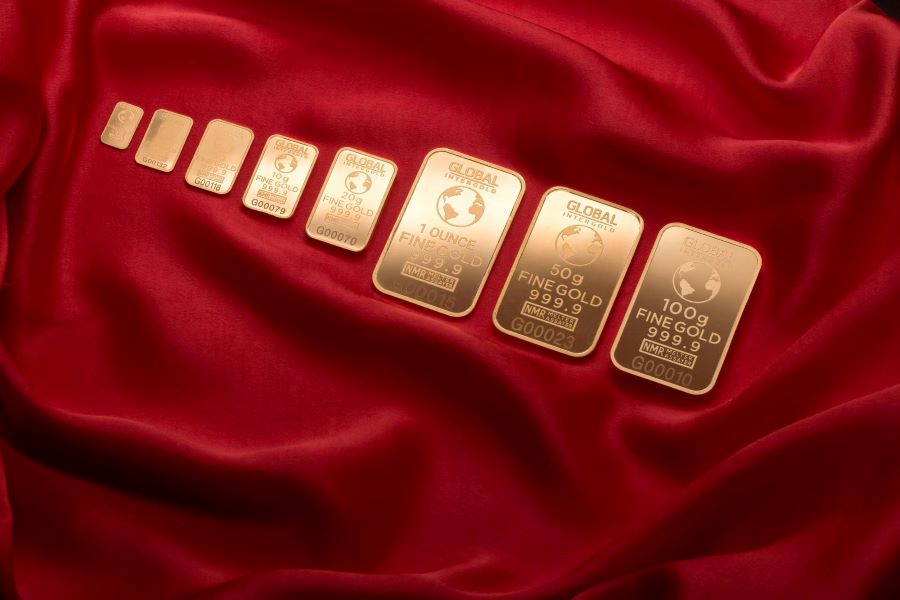
24K gold is the purest form of gold you can readily buy. It carries 99.9% purity, which gives it a rich yellow colour and makes it soft and less suitable for rings or bangles that face daily knocks. Investors prize 24K for its intrinsic value and it is commonly used for bullion, coins, and bars.
Purity and Composition
24‑carat gold is 99.9% pure, with no other metals mixed in.
Advantages of 24K Gold
It offers the highest intrinsic value, global acceptance, and near‑universal liquidity when you need to sell.
Limitations of 24K Gold
Pure gold is soft, scratches easily, and isn’t practical for daily‑wear jewellery.
Best Uses of 24K Gold
It’s used for investment‑grade bullion, coins, and bars rather than ornaments.
What is 22 Carat Gold?
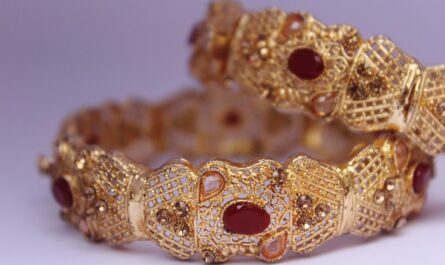
22K gold balances 91.6% purity with a 2‑part alloy mix that adds strength. The alloy – often copper, silver, or a combination – makes the metal hard enough to hold intricate designs and withstand frequent handling. This is why most traditional Indian jewellery is 22K. While it costs slightly less per gram than 24K, its resale value remains strong, especially when buyers value both purity and craftsmanship.
Purity and Composition
22‑carat gold contains 22 parts pure gold and 2 parts alloy metals, yielding 91.6% purity.
Advantages of 22K Gold
Durability, higher scratch resistance, and excellent resale value for ornaments make it ideal for jewellery.
Limitations of 22K Gold
It is marginally less pure than 24K, so its intrinsic gold value per gram is lower.
Best Uses of 22K Gold
Jewellery, ornate idols, and collectible coins are the most common uses.
22 Carat vs 24 Carat Gold: Key Differences
The table below puts the 22 and 24 carat gold difference side by side. Once you see the numbers, the practical gaps become obvious. To convert 24 carat gold to 22 carat pricing, simply multiply the 24K rate by 0.916 – that’s the quick math behind the how to calculate 22 carat gold rate from 24 carat question. And what is the difference between 22 carat and 24 carat gold beyond price? Durability, purpose, and resale behaviour.
| Feature | 22 Carat Gold | 24 Carat Gold |
| Purity | 91.6% (22 parts gold, 2 parts alloy) | 99.9% (24 parts gold) |
| Durability | Harder, suitable for everyday wear | Soft, scratches and bends easily |
| Price | Lower price per gram | Higher price per gram |
| Investment Value | Combines jewellery and asset value | Higher-purity investment asset |
| Jewellery Suitability | Excellent for daily‑wear ornaments | Unsuitable for regular jewellery |
| Resale Value | Strong, especially in jewellery‑focused markets | High intrinsic value, easy to liquidate |
Purity
24K is 99.9% pure gold, whereas 22K is 91.6% pure gold.
Durability
22K gold is harder and better suited to regular wear; 24K gold is soft and prone to damage.
Price
24K gold costs more per gram; to convert 24K to 22K rate, multiply by 0.916.
Investment Value
24K delivers maximum intrinsic worth; 22K blends investment value with the utility of jewellery.
Jewellery Suitability
22K is widely used for jewellery; 24K is rarely used for ornaments.
Resale Value
Both retain value well, but 24K tends to be easier to liquidate at spot gold prices.
Which is Better for Investment?
The right answer changes depending on what you want from the gold. Pure wealth preservation points to 24K. A mix of wearing and later selling often makes 22K the smarter buy. There’s no universal winner – it’s a question of purpose, holding period, and whether you ever plan to pledge the gold for a gold loan.
Long‑Term Investment
24‑carat gold is the cleaner long‑term bet: pure metal, no alloy dilution, and easy to offload when prices rise.
Jewellery Investment
22K jewellery gives you daily use while still holding significant gold value – a practical hedge you can wear.
Gold Loans Against 22K and 24K Gold
When you apply for a gold loan, lenders assess both purity and weight. Higher‑purity gold may support a higher valuation per gram, and the prevailing gold rate in India determines the base valuation. Airtel Finance connects you with Bajaj Finance for gold loan options that accept your jewellery as collateral; you can check gold loan eligibility based on purity and mass, compare the gold loan interest rate, and even explore a gold loan transfer if you already have a loan elsewhere.
Factors to Consider Before Buying Gold
Before you spend on 22K or 24K gold, a few practical checks can save you from a mismatch. Think about why you are buying, how much you can spend, and how soon you might need to cash in.
Investment Objective
Decide whether the gold is meant as a pure financial asset or for personal use like jewellery.
Budget
24K gold’s higher per‑gram price means you’ll buy less metal for the same outlay.
Liquidity Requirements
If you might need to sell quickly, 24K gold and standard bullion products offer faster liquidation.
Storage and Security
Physical gold needs safe custody – a bank locker or a secure home safe – adding a small ongoing cost.
FAQs on 22 Carat vs 24 Carat Gold
Why is 24K Gold More Expensive than 22K Gold?
24K gold is more expensive because it is pure gold, containing no other metals. This higher purity increases its intrinsic value and market price.
Is 24K Gold a Good Investment for Beginners?
Yes, 24K gold is a good investment for beginners due to its simplicity, high purity, and ease of trade. It is a straightforward way to invest in gold.
Which is Easier to Sell, 22K or 24K Gold?
Both 22K and 24K gold are relatively easy to sell, but 24K gold might be easier due to its universal recognition and higher purity. The ease of selling 22K gold can depend on the form (jewellery, coins, bullion) and market preferences.
Which Gold is Better for Jewellery: 22K or 24K?
22K gold is better for jewellery. The alloy metals mixed in make it hard enough for daily wear, while 24K gold’s softness makes it more prone to bending and scratches.
Which Gold Has Better Resale Value?
Resale value depends on purity and market conditions. 24K gold typically yields a price closer to the spot gold rate, while 22K ornaments may carry making‑charge deductions but still fetch strong returns, especially in jewellery‑oriented markets.