
| Overview: Gold loans offer a quick and secure way to access funds by pledging gold jewellery as collateral. However, several factors influence how much interest borrowers pay. Understanding these factors affecting gold loan rates helps individuals make informed financial choices and secure loans at the most favourable interest rates. |
Introduction to Gold Loan Interest Rates
In India, gold loans have emerged as one of the fastest-growing credit options, driven by convenience and accessibility. According to the Reserve Bank of India, the gold loan market crossed ₹2.94 lakh crore in mid-2025, reflecting its rising popularity. The average gold loan interest rates in India range from 8.5% to 16%, depending on the lender, loan amount, and borrower profile. Knowing what drives these rates enables borrowers to optimise their borrowing decisions and minimise costs. Take a look at the key factors affecting gold loan rates that determine overall affordability.
Borrower-Related Factors
When determining gold loan interest rates, lenders carefully evaluate borrower-specific attributes to assess repayment capability and creditworthiness.
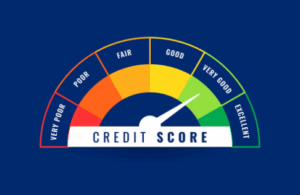
Credit Score
A higher credit score often leads to lower interest. Although gold loans are secured, lenders still assess credit history to gauge repayment discipline. You can read how your score impacts eligibility in CIBIL score requirements. Individuals with a strong repayment record are seen as low-risk borrowers and enjoy better terms.
Income Stability
Stable income reassures lenders of timely repayments. Self-employed individuals or those with irregular earnings may be charged slightly higher rates, as consistent income directly affects loan approval and interest decisions.
Loan History or Credit Behaviour
Previous loan defaults or delayed payments can impact the offered rate. Borrowers with a healthy credit mix and no defaults usually access better interest terms.
| Mistakes to Avoid: Avoid taking multiple small loans simultaneously—it may signal higher credit risk to lenders. |
Loan & Collateral Factors
The characteristics of the pledged gold and the terms of the loan itself play a significant role in deciding the applicable gold loan interest rates.
Loan-to-Value (LTV) Ratio
The Reserve Bank of India caps the LTV ratio at 75%, meaning you can borrow up to 75% of your gold’s value. A lower LTV often results in reduced interest, while opting for the maximum limit may increase the rate. You can also explore how gold loan valuation is done to understand this better.
| Gold Weight (grams) | Estimated Value (₹) | Max Loan (75% LTV) | Typical Interest Rate* |
| 10g (22K) | ₹60,000 | ₹45,000 | 9.5% – 13% |
| 20g (22K) | ₹1,20,000 | ₹90,000 | 9.5% – 12% |
| 50g (22K) | ₹3,00,000 | ₹2,25,000 | 8.5% – 11.5% |
*Rates vary by lender and borrower profile.
Gold Purity and Weight
The gold loan per gram value depends on purity and market rate. For instance, 22-karat gold fetches a higher amount per gram than 18-karat gold. Regularly checking hallmark identification helps verify authenticity before pledging.
Loan Tenure
Shorter tenures usually attract lower interest rates, while longer durations increase the total cost. Choosing tenure based on repayment capacity is key.
| What You Must Know: A lower tenure might mean slightly higher EMIs but significantly lower total interest. |
Economic & Market Conditions
Wider economic trends and fluctuations in the gold market directly influence how lenders determine and adjust gold loan interest rates over time.
Inflation and RBI Policies
Gold loan interest rates are sensitive to inflation and Reserve Bank of India’s repo rate decisions. When repo rates rise, lending rates often increase, making gold loans costlier.
Gold Market Volatility
Changes in global gold prices influence loan value and interest rates. During volatile periods, lenders may tighten LTV ratios. For deeper insight, explore the gold loan yield curve.
Administrative & Processing Fees
Though often small, processing charges affect the overall borrowing cost. Some lenders charge 0.25% to 1% of the loan amount as processing fees, while others—like Airtel Finance Gold Loan—keep charges minimal with no hidden fees and zero foreclosure charges. You may also check GST on gold loan interest for better financial planning.
Repayment Structures
The repayment method you choose has a direct impact on the total interest payable and overall convenience of managing your gold loan.
EMIs (Equated Monthly Installments)
This is the most common repayment structure, where borrowers pay both principal and interest monthly. It provides predictable payments but results in higher overall interest compared to short-term options.
Bullet Repayments
Borrowers pay the entire principal and interest at the end of the tenure. It’s ideal for those expecting future cash inflows but requires disciplined financial planning.
| Repayment Type | Suitable For | Interest Accumulation | Flexibility |
| EMI | Salaried individuals | Medium | High |
| Bullet | Self-employed borrowers | Higher | Moderate |
Prepayment & Foreclosure Charges
Some lenders impose charges for early repayment to recover lost interest income. However, providers like Airtel Finance offer no prepayment or foreclosure charges, allowing borrowers to close loans early without penalty—reducing total interest costs.
How These Factors Affect Total Loan Cost
Each factor—from gold purity to repayment mode—cumulatively shapes your total interest outgo. For example, selecting a shorter tenure, maintaining a healthy credit score, and choosing lenders with minimal fees can lower costs. Tracking gold loan limits ensures you get maximum value from your pledged gold.
| Important to Know: Always compare lenders based on total effective cost, not just nominal interest rates. |
Choosing the Best Option
Knowing the factors affecting gold loan rates empowers borrowers to secure competitive gold loan interest rates and maximise value from their assets. Evaluating aspects like credit score, LTV ratio, tenure, and market trends ensures informed decision-making.
Among available options, Airtel Finance Gold Loan stands out for its transparent policies, quick disbursal, and zero foreclosure charges—making borrowing both secure and convenient. For individuals seeking flexible repayment and trusted storage, it’s a reliable choice.
FAQs
1. What are the main factors affecting gold loan interest rates?
Gold loan interest rates depend on credit score, gold purity, loan-to-value ratio, market conditions, and repayment tenure chosen by the borrower.
2. How does the Loan-to-Value (LTV) ratio influence gold loan rates?
A higher LTV ratio increases the lender’s risk, often leading to slightly higher gold loan interest rates compared to lower LTV loans with reduced risk exposure.
3. Does income stability impact gold loan interest rates?
Yes, stable income reassures lenders of timely repayment, allowing borrowers to secure gold loans at more competitive rates compared to those with irregular income patterns.
4. Why do gold market prices affect loan interest rates?
Fluctuations in gold prices influence the value of collateral. During volatile periods, lenders may adjust gold loan rates to offset potential market-related risk.
5. What repayment options are available for gold loans?
Borrowers can choose between monthly EMIs or bullet repayment options, depending on their income flow, cash availability, and preferred repayment convenience and flexibility.