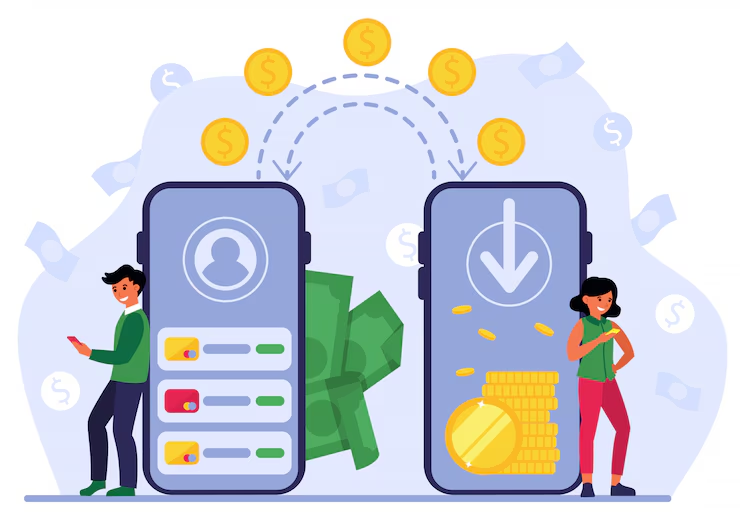
| Overview: Digital lending platforms are revolutionising personal loans in India through instant approvals, minimal documentation, and AI-powered assessments. By replacing traditional banking delays with seamless digital experiences, they empower a wider customer base with quick access to customised credit solutions, driving financial inclusion across urban and rural populations. |
Digital Lending is Reshaping Borrowing in India
India’s digital lending market is on a growth trajectory, expected to reach $350 billion by 2025 (Inc42). With over 1,200 fintechs operating in the lending space (IBEF), technology is eliminating traditional bottlenecks in the loan approval process. The demand for fintech personal loans has increased sharply due to faster disbursal, user-friendly interfaces, and lower reliance on physical documentation.
As per RBI, the digital loan book doubled from ₹1.2 lakh crore in 2017 to over ₹2.5 lakh crore by 2022. This shift is empowering consumers, especially in semi-urban and rural regions, with access to quick, customised credit solutions.
The Rise of Digital Lending Platforms in India
Digital lending platforms are financial technology systems that automate the loan process using digital verification, data analytics, and AI algorithms. These platforms enable:
- Instant eligibility checks
- Online document submissions
- E-KYC verifications
- Same-day loan disbursals
Why is India a Hotbed for Digital Lending?
- Increasing smartphone penetration (over 750 million users)
- Growing financial inclusion via Aadhaar and UPI
- Government’s Digital India initiative
- Rising demand from millennials for instant credit
Traditional Lending Vs Digital Lending: A Comparison
| Feature | Traditional Banks | Digital Lending Platforms |
| Application Process | Offline, time-consuming | 100% online and instant |
| Approval Time | 2-7 working days | A few minutes to a few hours |
| Documentation | Extensive | Minimal, often paperless |
| Customer Support | Physical visits required | App-based/online chat |
| Credit Evaluation | CIBIL-centric | AI/ML models, alternative data used |
| Accessibility in Rural Areas | Limited | Expanding rapidly |
Key Benefits of Digital Lending Platforms
Here are the top benefits of digital lending platforms discussed below.
1. Speed and Efficiency
Applications on digital lending platforms often take less than 10 minutes, with disbursals happening within a few hours.
2. Personalisation Through Data
Platforms use data from mobile behaviour, social media, e-commerce activity, and digital payments to offer customised credit tailored to borrower profiles.
3. Broader Accessibility
Digital lending is not confined to salaried professionals. Gig workers, freelancers, and small business owners are also eligible.
4. Paperless Processes
Digital lending removes physical friction by eliminating the need for paper documents, thus reducing errors and delays.
| Important to Know: Borrowers with a digital footprint—like UPI transactions or e-commerce purchases—may get faster approvals even with limited credit history. |
How Are Fintech Personal Loans Empowering Consumers?
Today’s fintech personal loans come with flexible repayment tenures, zero prepayment penalties, and credit amounts based on user needs.
Better Risk Profiling
Advanced analytics help fintechs assess creditworthiness using non-traditional data sources like:
- Mobile usage patterns
- Utility bill payments
- E-commerce behaviour
This has brought previously unbanked individuals into the formal credit ecosystem, even those with a low CIBIL score.
Targeted Offerings for Various Needs
Fintechs now offer loans tailored for:
- Education expenses
- Medical emergencies
- Emergency expenses
- Wedding and travel plans
- Consumer durable purchases
Regulatory Support for Digital Lending in India
The Reserve Bank of India (RBI) has introduced guidelines to promote transparency and consumer protection in digital lending:
- Loan documents must be shared digitally with the customer
- NBFCs and fintech platforms must disclose all fees up front
- Lending apps must be registered and monitored
Get secure and fast personal loans with Airtel Finance today
| Mistakes to Avoid: Always check if the lender is RBI-registered before applying for a fintech loan to avoid fraudulent platforms. |
Emergence of Hybrid Lending Models
Digital lenders are collaborating with banks and NBFCs to build hybrid models that offer the best of both worlds:
- Fintech’s tech innovation
- Banks’ large capital base and trust
These co-lending models ensure greater scalability and risk diversification. Hybrid lending also helps reduce risk and improve loan servicing efficiency.
Challenges Still Faced by Digital Lending Platforms
Despite rapid adoption, digital lending platforms face a range of ongoing challenges that must be addressed for long-term sustainability and consumer trust. These issues can limit user experience and increase risk exposure.
- Data Privacy Concerns: Use of alternative data requires strict privacy protection and secure handling.
- Over-lending: Easy access to loans can lead borrowers into unmanageable debt cycles without proper debt management.
- Fraudulent Apps: Illegitimate platforms misuse data and deceive users.
- Limited Financial Literacy: Many borrowers fail to understand interest rates, EMIs, and repayment obligations.
Government Initiatives Fueling Digital Lending
These government initiatives help foster trust and access across diverse population groups.
- Jan Dhan Accounts: Bank accounts for the unbanked population increase eligibility for formal credit.
- UPI Integration: Real-time payment systems enhance digital transaction transparency.
- Digital India Push: Investments in internet access and mobile connectivity empower even rural users to access digital lending platforms with ease.
| Fact to Know: India has the highest number of digital lending app downloads globally. |
Why Are Consumers Choosing Fintech Over Banks?
As digital experiences become the norm, customers are making clear choices based on agility and accessibility.
| Feature | Fintech Loans | Traditional Bank Loans |
| Approval Speed | Few hours | Several days |
| Accessibility | High (even for gig workers) | Limited |
| Flexibility | Customised tenure and EMIs | Fixed plans |
| Support | 24/7 via apps | Branch hours only |
| Process | Entirely digital | Physical documentation |
| Expert Insight: Millennials and Gen Z are the fastest adopters of digital lending platforms, valuing speed and ease above legacy systems. |
The Future of Lending is Seamless and Digital
Digital lending platforms are redefining how personal loans are accessed and managed in India. With faster approvals, smarter credit assessments, and broader inclusion, they cater to today’s fast-paced, mobile-first consumer.
For those seeking a reliable, fully digital lending experience, Airtel Finance stands out with its flexible, secure, and instant personal loan offerings. It’s time to embrace the future of finance with confidence. Apply instantly with Airtel Finance in minutes.
FAQs
1. What are digital lending platforms?
Digital lending platforms are online systems that offer fast, paperless personal loans using AI-driven credit checks and seamless, app-based loan processing.
2. How do fintech personal loans differ from traditional loans?
Fintech personal loans offer instant approvals, flexible EMIs, and minimal documentation, unlike traditional loans that require physical visits and longer processing times.
3. Are digital lending platforms safe to use?
Yes, RBI regulates registered platforms, ensuring transparency, data protection, and secure transactions through verified apps and approved non-banking financial institutions (NBFCs).
4. Can self-employed individuals apply for fintech loans?
Yes, digital lenders often use alternative data to evaluate creditworthiness, making fintech loans accessible to gig workers, freelancers, and self-employed individuals.
5. What is Airtel Finance’s role in digital lending?
Airtel Finance offers 100% digital personal loans with instant approvals, flexible repayment options, and secure processing via its Airtel Flexi Credit offering.