| Overview: Credit card spending is influenced by psychology more than we realise. From emotional triggers to cognitive biases, our brains often drive us to overspend. Understanding these patterns can help build better financial habits and reduce impulsive or unnecessary purchases. |
Why We Spend More With Plastic
Have you ever wondered why that shopping trip with your credit card ended up costing much more than planned? You’re not alone. Research shows that people spend 12-18% more when using credit cards compared to cash. This increased spending isn’t accidental—it’s deeply rooted in the psychology of credit card spending habits.
When we pay with cash, we physically hand over money and see our wallet getting thinner. This creates what financial psychologists call the ‘pain of paying’—a mild discomfort that acts as a natural spending brake. Credit cards remove this pain, creating a psychological distance between the pleasure of purchasing and the reality of payment.
The Brain’s Reward System And Credit Cards
Our brains are wired to seek rewards, and credit card spending behaviour triggers powerful neurological responses. When you swipe your card, your brain’s reward centers—particularly the striatum—light up with activity. This reward activation creates a cycle:
- Card swipe → Dopamine release → Pleasure feeling
- No immediate financial pain → Reduced spending restraint
- Rewards and points → Additional positive reinforcement
- Repeat behaviour → Spending habit formation
| Did You Know: Brain imaging studies show that credit card logos alone can trigger spending impulses before you’ve even decided what to buy! |
Relation Between Digital Payments And Spending
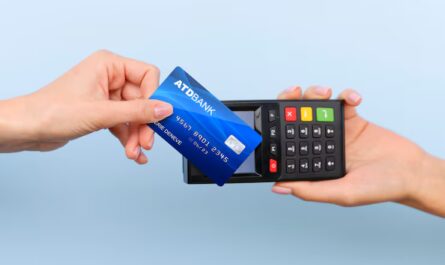
The move to digital wallets and contactless payments further removes us from the financial reality. When you tap your credit card or phone, the transaction feels even less real than swiping a physical card.
Consider these digital triggers that influence emotional spending with credit cards:
- Sound effects and animations that create positive feedback.
- Instant transaction confirmation that delivers immediate gratification.
- Simplified payment process reducing friction to purchase.
- Absence of physical cash exchange eliminating visual spending cues.
Real-Life Examples of Credit Card Psychology
Credit cards play mind games to boost spending and debt. From flashy rewards to tiny minimum payments, the tricks are everywhere. Let us examine some examples:
Scenario 1: The Restaurant Bill Effect
Rahul always spends more at restaurants when using his credit card. Last weekend, he planned to spend ₹1,500 on dinner but ended up with a ₹2,800 bill after ordering premium dishes and desserts. The psychology of credit card spending explains why—without the immediate payment pain, Rahul’s brain focused only on the pleasure of the meal.
Scenario 2: The Online Shopping Spree
Priya noticed her online shopping increased dramatically after saving her credit card details on shopping apps. The psychology behind this is clear:
- Removed payment friction (no need to enter card details).
- Absence of physical transaction.
- Delayed payment awareness.
By understanding these psychological triggers, both Rahul and Priya can implement strategies to control their credit card spending behaviour.

Emotional Triggers Behind Card Spending
Emotional spending with credit cards often follows specific patterns tied to our feelings:
| Emotional Trigger | Spending behaviour | Example |
| Stress | Comfort purchases | Buying new clothes after a difficult work week |
| Celebration | Reward spending | Splurging on expensive dinner after promotion |
| Boredom | Entertainment purchases | Impulse buying gadgets while scrolling online |
| Social pressure | Status spending | Purchasing designer items to impress peers |
Understanding these emotional triggers is the first step to developing healthier credit card spending habits. When you recognise your personal spending triggers, you can create strategies to manage them effectively.
| Pro Tip: Track your digital spending by enabling notifications for every transaction. This creates an immediate awareness of money leaving your account, partially restoring the ‘pain of paying’. |
Practical Strategies to Outsmart Credit Card Psychology
1. Create Mental Accounting Barriers
One effective way to counter the psychology of credit card spending is to create mental accounting systems:
- Set specific spending categories with firm limits.
- Use different payment methods for different expense types.
- Use tools like Airtel Finance to track expenses and make smarter decisions.
2. Convert Credit to Cash Mentally
Train yourself to translate credit purchases into cash equivalents:
- For a ₹5,000 purchase, visualise five ₹1,000 notes leaving your wallet.
- Calculate hours worked to earn that amount (₹5,000 might equal 20 hours of work).
- Consider the opportunity cost (what else could that money buy?)
This mental exercise helps restore the ‘pain of paying’ that normally regulates cash spending behaviour.
3. Leverage Technology Mindfully
Use digital tools to counter the negative aspects of credit card psychology:
- Enable instant transaction alerts on your phone.
- Use spending tracker apps that categorise expenses.
- Review weekly spending summaries.
- Check your credit score regularly to stay financially aware.
Finding Balance: Using Credit Cards Wisely
Credit cards aren’t inherently problematic—they offer security, convenience, and rewards when used responsibly. The key is understanding the psychology behind credit card spending and creating habits that promote financial health.
Smart card users follow these principles:
- Pay full balance monthly to avoid interest.
- Use cards primarily for planned purchases.
- Save rewards points for meaningful expenses.
- Review statements regularly to maintain awareness.
- Limit the number of cards to manage effectively.
By applying these strategies, you can enjoy credit card benefits while avoiding the psychological traps that lead to overspending.
In a nutshell
The psychology of credit card spending affects us all, but awareness is our best defense. By understanding how our brains process credit transactions differently from cash, we can develop strategies to maintain financial discipline while still enjoying card conveniences.
Consider exploring cards that align with your spending patterns and offer meaningful benefits. The Airtel Thanks App offers tools to track your spending and monitor your financial health, helping you stay on top of your credit card habits.
FAQs
1. How does the psychology of credit card spending differ from cash transactions?
Credit cards activate brain reward centers more intensely while removing the ‘pain of paying’ that cash creates, leading to increased spending by creating psychological distance from the financial impact.
2. What are the most common emotional triggers for credit card spending behaviour?
Stress, celebration, boredom, and social pressure are the primary emotional triggers that lead to increased spending, often resulting in purchases that weren’t planned or budgeted.
3. How can I reduce emotional spending with credit cards without giving them up completely?
Implement a waiting period before purchases, disable one-click buying, set spending alerts, use separate cards for different purposes, and practice mindfulness when shopping.
4. Does credit card spending psychology affect everyone equally?
No, individual differences in financial mindset, self-control, and previous experiences with debt create varying susceptibilities to the psychological effects of credit card spending.
5. How do credit card rewards programmes influence our spending psychology?
Rewards create a ‘points pursuit’ mindset that can justify unnecessary purchases, as our brains focus on gaining rewards rather than the actual spending amount.