| Overview: Establishing a strong business credit score is essential for long-term financial success. Taking a well-managed loan can help you build business credit, improve lender confidence, and unlock growth opportunities. Learn how strategic borrowing supports financial credibility and opens doors to better funding options over time. |
Smart Borrowing Can Strengthen Your Business Future
In India, over 95% of small and medium enterprises (SMEs) rely on external financing to scale their operations, according to SIDBI. However, only a fraction manage to secure favourable terms due to weak business credit scores.
A strong business credit profile not only increases funding access but also reduces interest rates and enhances vendor trust. Understanding how a loan can help you build business credit is crucial in today’s dynamic financial landscape.
Let’s check out how responsibly taking a business loan can shape your credit standing and fuel your company’s future growth.
About Business Credit Score
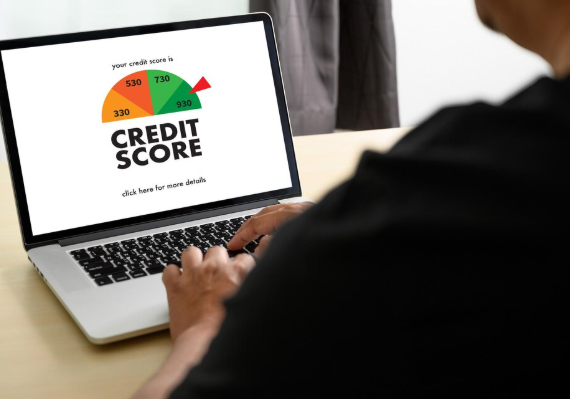
A business credit score is a numerical summary of your company’s creditworthiness, typically ranging from 300 to 900 in India. The score is evaluated by bureaus like CIBIL, Equifax, or Experian based on various factors, including repayment history, credit utilisation, and existing debt.
Key Factors That Affect Business Credit Score
Understanding what influences your credit score can help you take the right steps to strengthen it.
- Timely repayment of existing loans
- Credit utilisation ratio
- Number of credit enquiries
- Length of credit history
- Business financials and turnover
A high business credit score increases your chances of loan approvals and better lending terms.
| Important to Know: A CIBIL business score above 750 significantly improves your loan eligibility. |

How Can Loans Help Build Business Credit?
Taking a business loan and managing it responsibly plays a key role in shaping your credit profile. Here’s how:
1. Establishes a Credit History
For newer businesses, getting a small business loan can create an initial credit trail. Lenders need to see past repayment data to trust your future borrowing.
2. Shows Responsible Borrowing
Consistent EMI payments on time reflect good financial discipline, which helps improve business credit score over time.
3. Improves Credit Mix
Diversifying credit with term loans or working capital loans showcases your ability to manage various financial products, positively impacting the score.
4. Increases Lender Confidence
If you’ve previously borrowed and repaid on time, lenders view your business as lower risk, easing future loan approvals.
| Mistakes to Avoid: Refrain from maxing out your credit line—it lowers your credit score. |
Loan Impact on Credit Score—A Timeline
Every stage of a loan journey influences your business credit score differently—here’s how it unfolds:
| Stage | Loan Activity | Effect on Credit Score |
| Loan Application | Hard enquiry logged | Slight dip in score initially |
| Loan Disbursal | New credit added to profile | Neutral to slight dip |
| Timely Repayment | On-time EMIs paid | Score improves over time |
| Loan Closure | Loan repaid in full | Boosts credit standing |
Types of Business Loans That Help Build Credit
While any well-managed loan helps, certain types of financing are more impactful:
Term Loans
- Best for fixed-asset purchase or expansion
- Long-term and structured EMI improves credit record
Working Capital Loans
- Helps in managing daily operations
- Demonstrates financial stability
Overdraft Facility
- Good for cash flow gaps
- Shows strong short-term borrowing discipline
Invoice Financing
- Great for B2B businesses
- Helps smooth receivable cycles and build business credit
Building Business Credit: Dos and Don’ts
Following the right practices—and avoiding the wrong ones—can make or break your business credit journey.
Dos
- Always pay EMIs and dues on time
- Keep credit utilisation below 30%
- Maintain a healthy mix of credit
- Check credit reports regularly
- Borrow only what you can repay
Don’ts
- Default on loan payments
- Apply for multiple loans in a short span
- Close old accounts unnecessarily
- Ignore errors in your credit report
Apply for Airtel Finance Business Loan today.
Best Practices for Managing Loan to Improve Business Credit Score
Effective loan management isn’t just about repayment—it’s about building habits that strengthen your credit profile.
- Set Up Automated Payments: Avoid missing due dates by automating EMI payments.
- Use EMI Calculators: Estimate your repayment in advance to plan better.
- Monitor Credit Score Regularly: Stay informed and dispute any inaccuracies in your report.
- Keep Business Financials Transparent: Lenders appreciate honest, updated financial records, which influence approval and scoring.
Final Thoughts: The Power of Credit-Conscious Borrowing
Responsible loan management can transform your financial credibility. From accessing higher funds to negotiating favourable terms, improving your business credit score has a direct impact on your growth potential.
Whether you are starting small or scaling up, keeping your borrowing disciplined can help you build business credit and open new avenues for your enterprise. Apply now for The Airtel Finance Business Loan today.
FAQs
1. Can startups use loans to build business credit?
Yes, responsible loan usage helps startups establish credit history and build business credit gradually.
2. What happens if I miss a loan repayment?
Missed repayments negatively affect credit history and reduce your overall business credit score.
3. Is credit mix important for improving business credit score?
Yes, a diverse credit mix showcases responsible credit behaviour and strengthens your business credit profile.
4. How often should I check my business credit score?
Check your business credit score quarterly to ensure accuracy and monitor improvement progress effectively.
5. Does early loan repayment improve my credit score?
Yes, early repayment shows financial discipline and contributes to a stronger business credit score.