| Overview: Air conditioners are essential for comfort in Indian summers, but breakdowns often catch homeowners off guard. Knowing the most common AC unit problems, their causes, and possible fixes helps reduce repair costs, extend appliance life, and ensure efficient cooling performance throughout the year. |
Why AC Breakdowns Are a Growing Concern in India
India faces some of the hottest summers in the world, with temperatures soaring above 45°C in many regions. According to market studies, air conditioner sales have grown steadily over the past decade, driven by increasing middle-class households and urban heat challenges.
Yet, frequent AC unit problems can impact energy bills, comfort, and household budgets. Learning about the key issues and solutions helps families make smarter decisions while avoiding unnecessary expenses.
Common AC Unit Problems and Their Fixes
Understanding the most frequent AC issues helps homeowners detect warning signs early and take timely action to avoid costly repairs.
1. Refrigerant Leaks
One of the most frequent issues is leaking refrigerant, which reduces cooling efficiency. Signs include:
- Warm air from vents
- Hissing or bubbling sounds
- Higher electricity consumption
Solution: Professional technicians can locate and seal leaks, then refill the refrigerant.
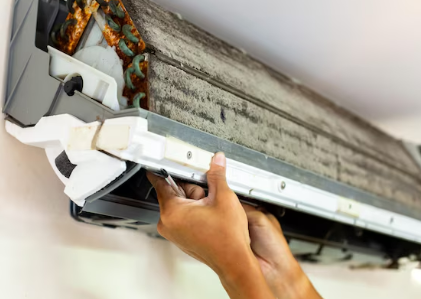
2. Dirty or Clogged Filters
Filters trap dust and pollutants. When clogged, airflow decreases, leading to:
- Uneven cooling
- Frozen coils
- Increased strain on the compressor
Solution: Clean filters monthly during peak use. Replace them every 3–6 months depending on air quality.
| Mistakes to Avoid: Never run your AC with visibly clogged filters – it shortens system life. |
3. Electrical Control Failures
Frequent power fluctuations in India can damage AC circuits. Relays, capacitors, and wiring are particularly vulnerable.
Solution: Use a voltage stabiliser and get regular servicing to prevent sudden failures.
4. Sensor Malfunctions
Room ACs have thermostats that sense air temperature. Misaligned sensors can cause irregular cooling cycles.
Solution: Technicians can reposition or replace faulty sensors.
5. Drainage Issues
High humidity in Indian cities often clogs condensate drains. Standing water near the indoor unit is a warning sign.
Solution: Routine maintenance ensures free water flow and prevents damp-related damage.
| Facts to Know: Water leakage inside the room usually signals a clogged drain pipe. |
6. Frozen Evaporator Coils
Low airflow or refrigerant problems can freeze the coils, stopping the cooling cycle.
Solution: Switch off the unit and let it thaw, but arrange a service check to address the root cause.
7. Unusual Noises
Grinding, buzzing, or rattling noises often mean loose components, debris in the fan, or motor wear.
Solution: Timely inspections can prevent costly replacements.
Comparison Table: Common AC Problems and Quick Fixes
Here’s a quick reference to identify frequent AC issues and their possible solutions at a glance.
| Problem | Likely Cause | Quick Fix |
| Weak cooling | Low refrigerant/filter | Refill gas, clean/replace filter |
| Water leakage | Blocked drain pipe | Clear blockage |
| Noisy operation | Loose parts/motor wear | Tighten parts, service motor |
| Unit not turning on | Electrical issue | Check power supply, capacitor |
| Frozen coils | Poor airflow/refrigerant | Thaw coils, call technician |
Preventive Maintenance Tips
Regular upkeep is the simplest way to avoid costly AC failures and ensure consistent cooling.
- Annual Servicing: Schedule professional maintenance before peak summer.
- Filter Care: Clean monthly to keep airflow healthy.
- Check Insulation: Ensure ducts and pipes are properly insulated.
- Voltage Protection: Always use stabilisers in high-fluctuation zones.
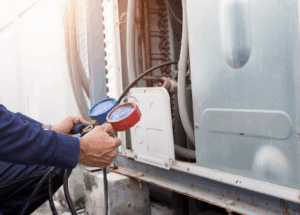
Preventive care significantly reduces the likelihood of recurring AC unit problems.
| Important to Know: Preventive maintenance costs are far lower than major component replacements. |
Cost Considerations for Indian Households
Repair costs vary depending on the issue:
| Issue | Average Repair Cost (₹) |
| Refrigerant refill | 2,500 – 5,000 |
| Compressor replacement | 8,000 – 15,000 |
| Capacitor change | 800 – 1,500 |
| General servicing | 500 – 1,200 |
For many families, these expenses can strain budgets, especially when urgent replacements are needed.
Financing Solutions for AC Repairs and Purchases
When faced with high costs, financing options ease the burden. One such solution is the Airtel Bajaj Finance Insta EMI Card, which allows:
- Loan offer amount for appliances and repairs
- Pre-qualified loan offer amount of upto Rs. 3,00,000
- Easy EMI option with zero down payment on selected products
This ensures homeowners can address AC unit problems immediately without delaying due to financial pressure.
You can even use the card to buy an air conditioner or explore other appliances like refrigerators and washing machines.
| What You Must Know: EMI-based financing often helps spread seasonal expenses without disrupting monthly budgets. |
When to Replace Instead of Repair
Sometimes repair costs add up to almost the same as buying a new unit. Consider replacement if:
- Your AC is more than 10 years old.
- Compressor failures are frequent.
- Energy bills keep rising despite servicing.
Investing in a new AC may provide better energy efficiency, quieter performance, and lower long-term costs. Smart buyers also use EMI to upgrade their workstation or even bring the cinema home.
Energy Efficiency Matters
Many AC unit problems stem from overuse or outdated systems. Modern ACs with better star ratings use less power and save thousands annually in electricity costs. Replacing an inefficient system reduces both environmental impact and household expenditure.
| Mistakes to Avoid: Do not ignore unusual noises – they are often early warnings of major faults. |
Stay Cool, Stay Smart with the Right Choices
Understanding the most common AC unit problems helps homeowners in India manage comfort, costs, and efficiency. Whether it’s refrigerant leaks, clogged filters, or electrical faults, timely repairs and preventive care go a long way in avoiding major expenses.
When repair or replacement costs feel overwhelming, financing options such as the Airtel Bajaj Finance Insta EMI Card provide relief with a loan amount and easy EMI repayment flexibility.
FAQs
1. How often should AC filters be cleaned or replaced?
AC filters should be cleaned at least once a month during peak summer months to ensure proper airflow. Depending on air quality and dust levels, replacement is generally required every three to six months to maintain cooling efficiency and healthier indoor air.
2. Why does water leakage occur in AC units?
Water leakage usually happens when the condensate drain pipe is blocked or clogged by dirt, debris, or mould. In humid climates, drainage issues are common, leading to dampness around the unit. Timely cleaning and servicing prevent this frustrating and damaging problem.
3. How can homeowners reduce recurring AC repair costs?
Homeowners can reduce recurring AC repair costs by scheduling annual maintenance, regularly cleaning filters, checking insulation, and using a voltage stabiliser. Preventive care lowers the chances of sudden breakdowns, increases efficiency, and extends the appliance’s life, saving money on unexpected repair bills.
4. When should an old AC unit be replaced instead of repaired?
An old AC unit should be replaced if it is over ten years old, frequently breaks down, or causes rising electricity bills. Replacement becomes practical when repair expenses approach the cost of a new energy-efficient AC with better performance.
5. Why is preventive AC maintenance so important?
Preventive AC maintenance ensures smooth operation, reduces the risk of costly component failures, and improves energy efficiency. Regular servicing also enhances indoor air quality and helps avoid sudden summer breakdowns. It provides peace of mind and long-term savings for homeowners during peak heat.