| Overview: India’s refurbished mobile market will reach $42.33 billion in 2025, offering 25–40% savings on premium phones. This guide covers pricing, quality checks, financing options, and whether refurbished mobiles make financial sense for Indian buyers seeking value without compromising features. |
The Refurbished Mobile Revolution in India
Your colleague just bought an iPhone 13 for ₹38,000 instead of ₹54,900. The catch? It’s refurbished. India’s refurbished mobile market is projected to hit $42.33 billion in 2025, growing at 22.6% annually. More Indians are now choosing pre-owned premium devices over budget new phones.
Apple dominates this space with 62.9% market share, followed by OnePlus at 10.2%. The average selling price has risen to ₹22,100, making refurbished mobiles an attractive alternative for accessing flagship features at affordable prices. Recent policy changes, including the abolition of import duties on smartphone components, have made refurbishing more cost-effective for sellers and buyers alike.
Understanding the Refurbished Mobile Market
Let’s briefly explore the refurbished mobile market.
What Makes a Phone “Refurbished”?
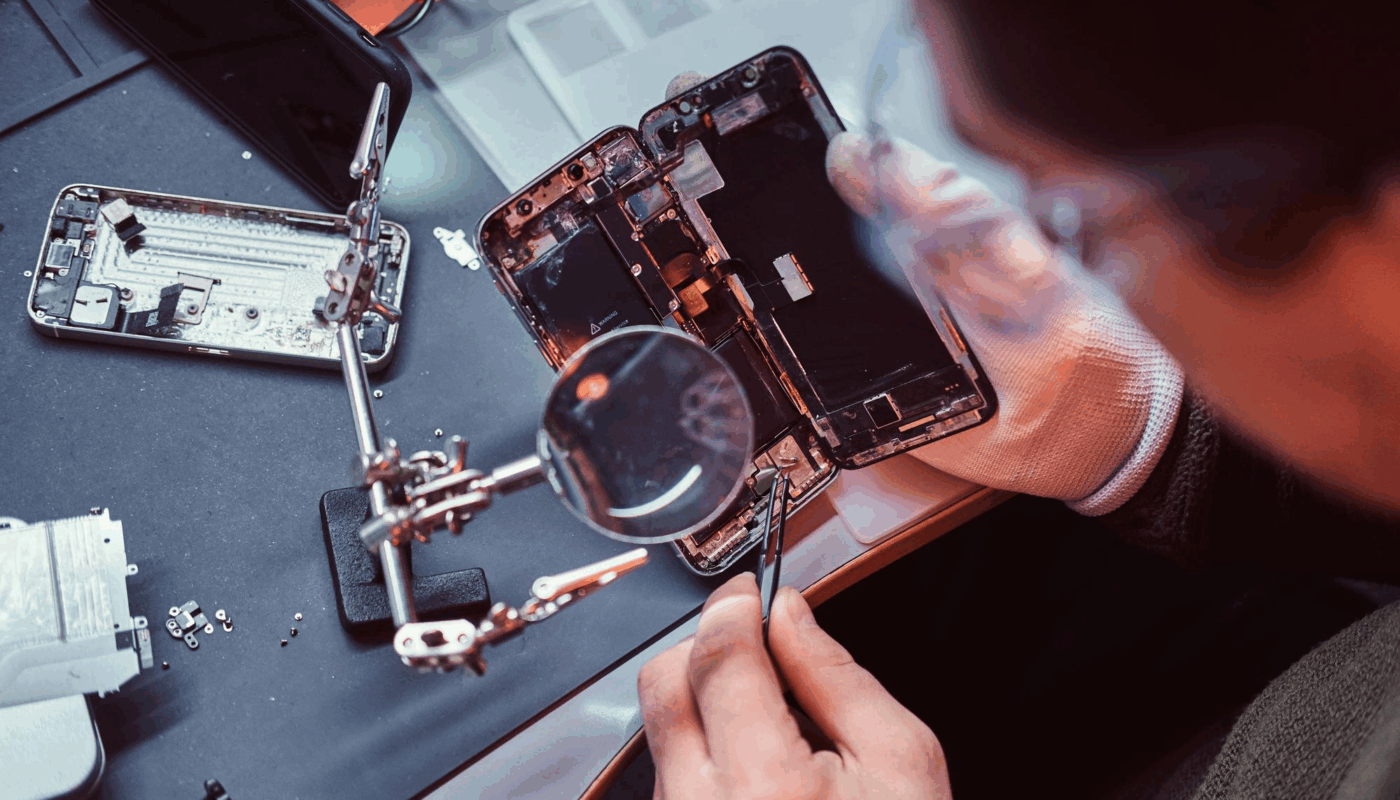
Refurbished mobiles undergo systematic restoration by manufacturers or certified dealers. Unlike simple “used” phones, these devices pass through multi-point quality checks, battery replacements, and software updates. Think of it like buying a car from an authorised dealer versus a roadside seller—the difference lies in certification and warranty.
Quality grades typically include:
- Grade A: Near-perfect condition, minimal usage signs
- Grade B: Light scratches, full functionality
- Grade C: Visible wear, all features working
Market Supply and Demand Dynamics
The organised refurbished sector sold 5.7 million units in 2024. However, 2025 faces a 5–7% supply shortage, particularly affecting mid-range and premium segments. This scarcity might push prices up slightly, though savings remain substantial compared to new devices.
Consumer behaviour patterns show:
- 63% of users trade in phones within 6 months of upgrading
- 70% keep 2–3 unused phones at home
- 40% sell due to attractive buyback offers
- 33% upgrade to newer models
Financial Analysis: Real Savings or False Economy?
Let’s analyse the financial aspect of buying a refurbished mobile.
Total Cost of Ownership Analysis
Let’s examine a consumer’s purchase decision. They want an iPhone 13 but find the ₹54,900 price steep. A certified refurbished unit costs ₹38,000 with a 12-month warranty.
Calculation:
- Immediate savings: ₹16,900 (31%)
- Potential battery replacement: ₹3,500 (after 18 months)
- Net savings over 2 years: ₹13,400
If they check the Airtel Bajaj Finance Insta EMI card benefits, they pay ₹3,167 monthly, preserving cash flow for other expenses or investments.
Hidden Costs to Consider
Refurbished mobiles may require additional expenses:
- Extended warranty: ₹2,000–₹5,000 annually
- Battery replacement: ₹2,500–₹4,500 (sooner than new phones)
- Insurance limitations: Some policies exclude refurbished devices
- Resale value: 15–20% lower than equivalent new phones
Quality Assurance and Risk Management
It’s important to confirm the quality and manage risks associated with refurbished mobiles.
Technical Specifications to Verify
Before purchasing refurbished mobiles, check:
- Battery health (minimum 85%)
- IMEI authenticity via official databases
- Physical damage assessment
- Software version and update eligibility
- Warranty terms and service network access
| Pro Tip: Always buy from certified sellers who provide GST invoices and multi-point quality certificates. Avoid unorganised sellers offering suspiciously low prices. |
Warranty and After-Sales Support
Organised refurbishers typically offer:
- 6–12 month warranties covering hardware defects
- 30-point quality checks before sale
- Return policies (7–30 days)
- Customer support through established networks
Smart Financing Strategies
Consider these smart financing strategies through the Airtel Thanks App to purchase a refurbished phone:
EMI Options and Credit Impact
Refurbished mobiles become more accessible through structured financing. Unlike cash purchases, EMI options spread costs while preserving liquidity for emergencies. Check your Airtel Bajaj Finance Insta EMI card eligibility to see if you qualify for easy EMI options.
EMI calculation formula:
EMI = [P × R × (1+R)^N] / [(1+R)^N – 1]
Where:
- P = Principal amount
- R = Monthly interest rate
- N = Number of months
Building Credit History
Young professionals can use refurbished mobile purchases to establish a credit history. Timely EMI payments improve credit scores, enhancing future loan eligibility for homes or vehicles.
Decision Framework: Should You Buy?
Here’s a breakdown of the decision framework to help you decide if you should buy a refurbished mobile.
Ideal Candidates for Refurbished Mobiles
Buy refurbished if you:
- Want premium features at lower prices
- Prioritise value over the latest technology
- Accept shorter software support cycles
- Have reliable service network access nearby
Avoid if you:
- Need cutting-edge specifications immediately
- Require maximum software longevity
- Cannot handle potential repair inconveniences
- Prefer comprehensive manufacturer warranties
Risk Mitigation Strategies
- Purchase from certified sellers only
- Verify warranty terms thoroughly
- Test all functions before finalising
- Keep original receipts and documentation
- Consider extended protection plans
| Mistakes to Avoid: Never buy refurbished mobiles without warranties, from unknown sellers, or with battery health below 80%. These decisions often lead to expensive repairs within months. |
Future Outlook and Recommendations
The refurbished mobile market will continue expanding as consumers become more environmentally conscious and value-focused. Policy reforms reducing import costs will make refurbished devices even more attractive.
Smart buying approach:
- Research seller reputation and return policies
- Compare total ownership costs, not just purchase prices
- Consider financing options to maintain cash flow flexibility
- Factor in potential repair costs over 2–3 years
In a Nutshell
For most Indian buyers seeking premium smartphone experiences without premium prices, certified refurbished mobiles offer excellent value in 2025. The key lies in choosing reputable sellers, understanding warranty limitations, and financing smartly to optimise your technology budget while building financial discipline. Visit Airtel Finance to explore smart EMI options.
FAQs
1. Do refurbished mobiles affect CIBIL scores when bought on EMI?
Only if you default on payments. Timely EMI payments actually help build positive credit history and improve your CIBIL score over time.
2. Are software updates guaranteed on refurbished mobiles in India?
Updates depend on the device’s age and manufacturer support cycle, not refurbishment status. Check official update timelines before purchasing older models.
3. Can I claim GST input credit on refurbished mobiles for business?
Yes, if purchased with a proper GST invoice from registered sellers. Businesses and professionals can claim input credit as per standard GST regulations.
4. Is insurance available for refurbished mobiles from Indian providers?
Limited options exist. Some third-party insurers cover refurbished devices, but terms are often restrictive compared to new phone insurance policies.
5. What’s the typical lifespan difference between new and refurbished mobiles?
Refurbished mobiles typically last 2–3 years with proper care, compared to 3–4 years for new devices, mainly due to battery degradation and component age.