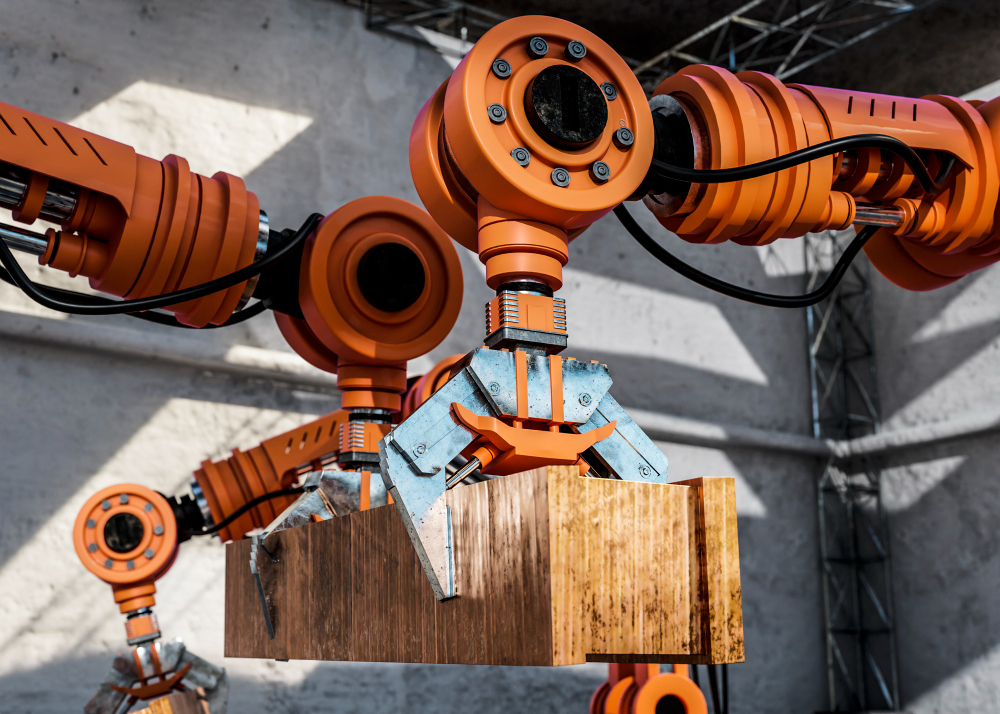
| Overview: Manufacturing businesses face a critical choice: lease equipment for flexibility or buy equipment for ownership. This guide compares costs, tax benefits, cash flow impact, and financing options to help you make the right decision for your business growth and profitability. |
The Equipment Dilemma Every Manufacturer Faces
Your manufacturing business needs a new CNC machine worth ₹15 lakh. You have two choices: lease equipment with monthly payments or buy equipment outright. This decision affects your cash flow, tax liability, and long-term profitability.
With India’s manufacturing sector contributing 17% to GDP and equipment costs rising, choosing wisely becomes crucial for business survival and growth. When you lease equipment, you preserve working capital but may pay more over time. When you buy equipment, you build assets but strain immediate cash flow.
Financial Impact: Crunching the Numbers
Manufacturing businesses often struggle with this choice because both options have hidden costs and benefits.
Upfront Cost Comparison
When you lease equipment, you pay a security deposit plus the first month’s rental. For a ₹15 lakh CNC machine, this might be ₹50,000 upfront. However, when you buy equipment with a business loan, you need either the full amount or a substantial down payment of 20-30%, meaning ₹3-4.5 lakh initially.
Sample Calculation: 4-Year Equipment Financing
| Option | Upfront Cost | Monthly Payment | Total Cost | Asset Value |
| Lease | ₹50,000 | ₹35,000 | ₹17.30 lakh | ₹0 |
| Buy (Loan) | ₹3 lakh | ₹32,500 | ₹18.60 lakh | ₹8 lakh |
Formula for EMI Calculation:
EMI = P × [r(1+r)^n] / [(1+r)^n-1]
Where P = Principal, r = monthly interest rate, n = tenure in months
For the purchase option at 12% annual interest:
EMI = 12,00,000 × [0.01(1.01)^48] / [(1.01)^48-1] = ₹32,500
Cash Flow Considerations
Cash flow management becomes critical when you evaluate machinery financing options. Leasing provides predictable monthly outflows without depleting your working capital reserves. This stability helps during seasonal fluctuations or unexpected market downturns. Manufacturing businesses often prefer this approach during expansion phases when cash flow needs remain uncertain.
Purchasing equipment requires significant upfront investment but offers long-term cost advantages. After your Airtel Finance Business Loan completion, you own an asset that continues generating value without monthly payments. This suits established manufacturers with stable cash flows and long-term operational visibility.
Tax Implications and Benefits
Leasing equipment may provide tax advantages by allowing businesses to deduct certain expenses.
Leasing Tax Advantages
When you lease equipment, the entire rental payment becomes tax-deductible as a business expense. For a ₹35,000 monthly lease payment, you save ₹10,500 monthly in taxes (assuming a 30% tax bracket). This immediate tax benefit improves your effective cost of leasing and cash flow position.
Purchase Tax Benefits
Purchased equipment qualifies for depreciation deductions under the Income Tax Act. Manufacturing equipment depreciates at 15% under the Written Down Value method. Additionally, business loan interest payments are tax-deductible, creating dual tax benefits.
| Did You Know? Under Section 32AD, new manufacturing companies can claim 100% depreciation on plant and machinery in the first year itself, making equipment purchase extremely tax-efficient for startups. |
Ownership vs Flexibility Trade-offs
When you buy equipment, you gain complete control over usage, modifications, and disposal.
The Ownership Advantage
This ownership flexibility allows customisation for specific production requirements and provides collateral value for future financing needs. Owned equipment also contributes to your balance sheet strength, improving creditworthiness for future business loan applications.
Manufacturing businesses often underestimate the strategic value of equipment ownership. Owned machinery can be mortgaged for working capital loans, sold during business restructuring, or transferred to new facilities without lease restrictions.
Flexibility Benefits of Leasing
Equipment leasing offers upgrade flexibility that’s particularly valuable in technology-intensive manufacturing. When you lease equipment, you can easily switch to newer models without disposal hassles. This advantage becomes crucial in industries where technology evolves rapidly or production requirements change frequently.

Risk Assessment and Maintenance
Evaluating risks and planning maintenance are crucial when managing equipment.
Maintenance Responsibility Matrix
Proper assessment helps prevent unexpected breakdowns, ensures safety, and reduces long-term costs.
| Aspect | Leasing | Buying |
| Routine Maintenance | Often included | Owner responsibility |
| Major Repairs | Lessor covers | Owner bears cost |
| Insurance | Usually provided | Owner arranges |
| Obsolescence Risk | Lessor bears | Owner bears |
Financial Risk Distribution
Leasing transfers several risks to the equipment provider, including maintenance costs, insurance, and technology obsolescence. This risk transfer comes at a premium but provides operational predictability. Manufacturing businesses with limited technical expertise often find this arrangement beneficial.
Ownership concentrates all risks with the business but offers potential rewards through asset appreciation and operational savings. Established manufacturers with strong maintenance capabilities often prefer this approach for better long-term economics.
| Pro Tip: Evaluate your internal maintenance capabilities before deciding. If you lack skilled technicians, leasing might prove more cost-effective despite higher monthly payments. |
Making the Right Choice for Your Business
When making the right choice for your business, it’s important to consider your business loan eligibility among other options.
Decision Framework
Consider these factors when choosing between leasing equipment and buying equipment options:
- Business Lifecycle Stage: Startups often benefit from leasing’s lower capital requirements.
- Technology Evolution Rate: Fast-changing technology favours leasing.
- Cash Flow Stability: Predictable revenues support equipment purchases.
- Growth Plans: Rapid expansion may require leasing flexibility.
- Tax Situation: Profitable companies maximise purchase tax benefits.
Smart Financing with Airtel Finance
Whether you choose to lease equipment or buy equipment, financing plays a crucial role in your decision. Airtel Finance offers competitive business loan solutions designed for manufacturing businesses, with flexible repayment terms and quick approval processes that support your growth aspirations.
The choice between leasing and buying equipment ultimately depends on your specific business circumstances, financial position, and strategic objectives. Leasing provides flexibility and preserves capital, while ownership builds equity and offers long-term cost advantages. Evaluate your cash flow, growth plans, and risk tolerance carefully. Consider hybrid approaches where you lease some equipment while purchasing others based on usage patterns and strategic importance.
FAQs
1. Can I claim GST input credit on both leased and purchased equipment?
Yes, GST paid on lease rentals and equipment purchases qualifies for input tax credit, subject to normal business use conditions and proper documentation.
2. How does equipment financing affect my credit score?
Both lease payments and loan EMIs impact credit scores. Timely payments improve scores, while defaults harm creditworthiness and future financing opportunities significantly.
3. What happens if leased equipment breaks down during the lease period?
Most lease agreements include maintenance clauses. The lessor handles repairs and replacements, ensuring minimal production disruption for your manufacturing operations.
4. Can I buy leased equipment at the end of the lease term?
Many lease agreements offer purchase options at predetermined residual values. This flexibility allows you to own equipment after experiencing its performance firsthand.
5. Which option provides better tax benefits for new manufacturing businesses?
New manufacturing companies often benefit more from purchasing due to accelerated depreciation provisions, but consult your chartered accountant for situation-specific advice.