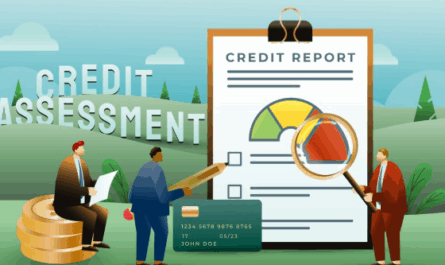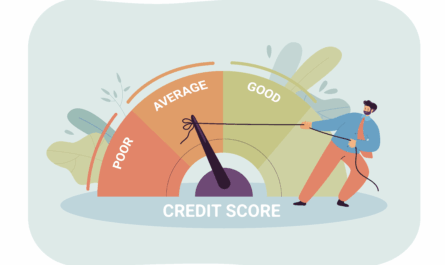
A loan settlement might have felt like the right call back then. Maybe a medical bill forced it, or a job loss left no other option. But that “settled” tag is still sitting on your CIBIL report, quietly dragging your score down every time a lender checks.
What “Settled” Actually Means on Your Report
When you settle a loan, you pay less than the full amount you owe. The lender accepts the shortfall and closes the account. But on your CIBIL report, that account gets tagged as “Settled” instead of “Closed”. This is not a clean exit.
Lenders treat “settled” as a red flag. It signals that you once couldn’t meet your repayment commitment. That tag can stay visible for up to 7 years and typically pulls your score down by 75 to 100 points.
Many people assume “settled” is a positive word. It sounds like resolution. But in credit terms, it is one of the most damaging statuses your report can carry.
- “Closed” = you paid every rupee on time
- “Settled” = you paid less, and the lender took the loss
Most banks automatically reject applications from anyone with a settled account in the last 2 to 4 years. That’s the reality.
Step 1: Convert “Settled” to “Closed”
This is the single most impactful move you can make. Contact your original lender and pay off the remaining balance that was waived during settlement. It does not matter if the settlement happened 3 years ago or 5.
Once you pay, ask for a No Dues Certificate (NDC) in writing. This document proves you have cleared all outstanding dues.
Then raise a dispute on the CIBIL website requesting the status be updated from “settled” to “closed”. CIBIL typically resolves disputes within 30 days.
The payoff is real. Converting to “closed” can recover 50 to 75 points within 30 to 45 days after the lender updates your record.
If you need funds to clear that balance, a Gold Loan is one option. Approval rates exceed 90% because it is secured against your gold. One enquiry. No score damage from a soft pull.
Lowest Interest Rates on Gold Loans: Turn Your Gold into Cash Today
Step 2: Build Fresh Payment History With EMI Card
Even after fixing the settled tag, your report needs fresh positive data. Payment history carries 35% weight in your CIBIL score calculation. That makes it the single biggest factor in your score.
An EMI card is built for this. You can start with small purchases and pay fixed monthly EMIs. Each on-time payment gets reported to CIBIL within 30 to 45 days.
Here’s what to do:
- Apply for an Airtel Bajaj Finserv Insta EMI Card through the Airtel app
- Budget ₹2,000 to ₹3,000 per month specifically for EMI card repayment
- Set up AutoPay immediately so you never miss a due date
- Aim for 6 consecutive on-time payments as your first milestone
Six months of clean payments can lift your score by 30 to 50 points. That momentum matters. It shows lenders a new pattern of behaviour that’s more recent than the old settlement.
Step 3: Check Your Report for Errors
Sometimes the settled tag is wrong. Maybe you did repay in full, but the lender reported it incorrectly. Or the settlement was recorded against the wrong account.
Pull your CIBIL report through the Airtel app and look for:
- Accounts marked “settled” that you actually paid in full
- Duplicate entries for the same loan
- Incorrect outstanding amounts
If you spot an error, raise a dispute on the CIBIL website with supporting documents. Resolution takes up to 30 days. A wrongly reported settlement that gets corrected can unlock a significant score jump overnight.
Don’t Wait for the 7-Year Mark
A common belief is that once 7 years pass, your score automatically bounces back. That’s only half true. Yes, the settled tag eventually drops off your report. But if you haven’t built any new positive credit history in those 7 years, your score will still be low.
An empty report is almost as unhelpful as a damaged one. Lenders want to see recent activity. Recent on-time payments. Recent responsible borrowing.
Starting now with an EMI card means that by the time the old tag fades, you already have years of clean repayment history backing you up. That combination is what actually rebuilds your score.
Read our 2-Minute Tip on how EMI card on-time payments signal reliability to lenders.
Your Rebuild Plan: A Quick Checklist
You don’t need to do everything at once. Start with what you can manage this month.
- Pull your CIBIL report and confirm the settled account details
- Contact the lender to find out the remaining balance
- If possible, pay the balance and collect your NDC
- Raise a CIBIL dispute to change “settled” to “closed”
- Apply for an EMI card and set up AutoPay on day one
- Make 6 consecutive on-time payments without exception
Each step builds on the last. The settlement happened during a tough time. It does not define your credit future. What you do in the next 6 to 12 months matters far more to lenders than what happened years ago.
Check your current CIBIL report using the Score Tracker in the Airtel app to see exactly where the settled tag sits on your file.