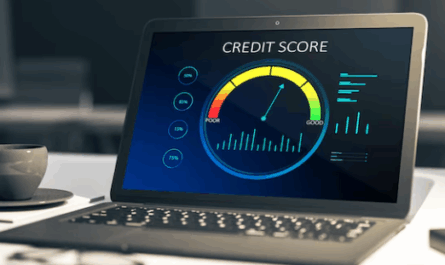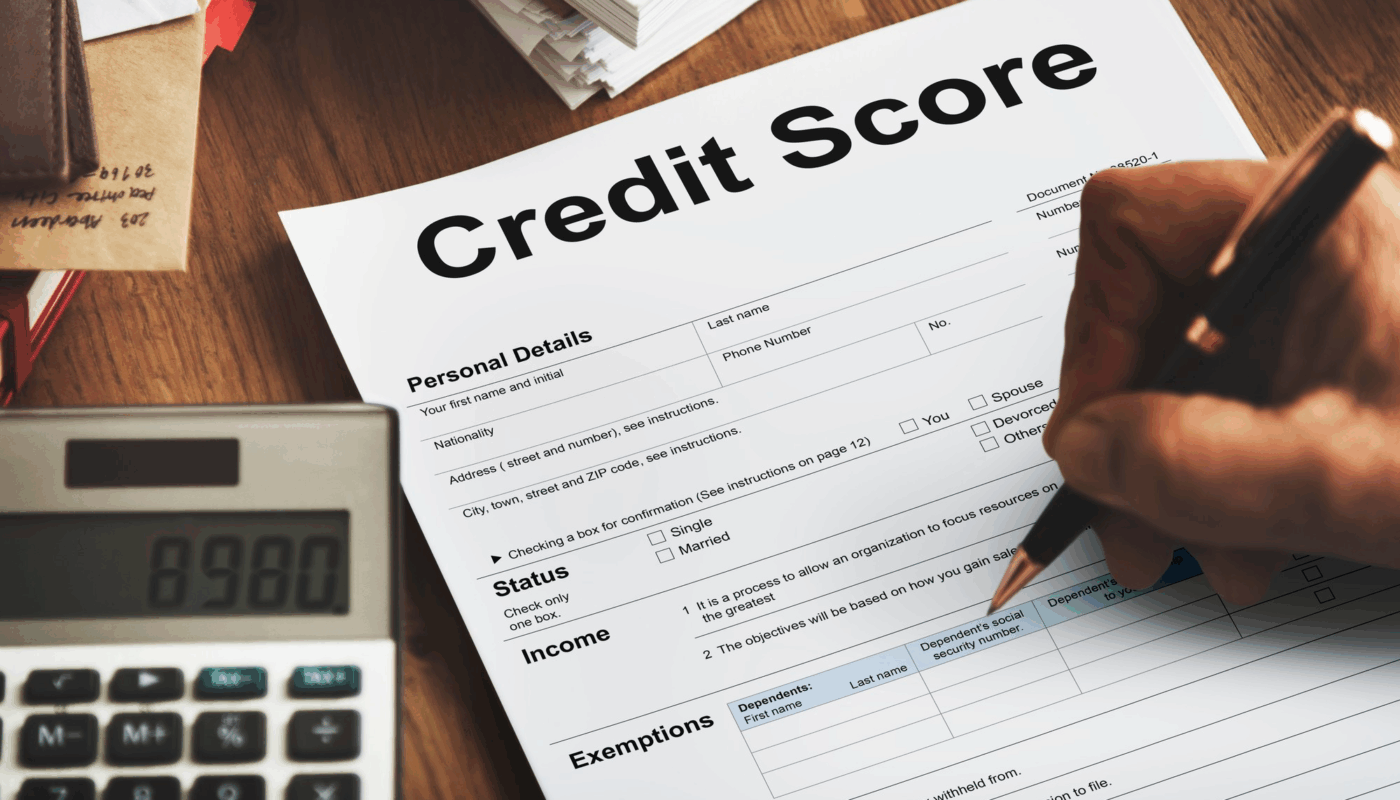
You have no credit score yet. That’s not a problem. It just means no lender has data on you. The right first product changes that in 3 to 4 months, and the wrong move can set you back before you even start.
Why Your First Product Matters More Than You Think
When you have zero credit history, bureaus like CIBIL have nothing to score. You’re invisible to lenders. Your first credit product creates your file and starts your score clock.
But not every product is available to you right now. Traditional credit cards usually need an existing score or a high income threshold. Personal loans require credit history.
Applying for products you won’t qualify for only creates hard enquiries on your file, and each one can cost 5 to 10 points once your score is generated.
Your goal is simple: pick one product designed for first-time borrowers, use it responsibly, and let your file build.
- Choose a product that accepts users with no score
- Avoid applying to multiple products at once
- Focus on consistent repayment from month one
EMI Card: The Smartest Starting Point
An EMI card is built for people in your exact situation. No existing credit score required. Minimal documentation. Digital KYC means you can apply from your phone.
Here’s how it works for credit building:
- You buy a product (phone, appliance, anything) on EMI
- Your repayments get reported to CIBIL every month
- After 3 to 4 months of active usage, your credit score is generated
The key advantage: EMI cards evaluate behavioural signals, not just salary slips. There’s no minimum income requirement for many EMI cards. So if you’re earning ₹10,000 or ₹15,000 a month, you can still get started.
Start with a purchase in the ₹10,000 to ₹20,000 range. Something you’d buy anyway. Your first EMI purchase is also your first credit-building move.
Pay On Time. Every Single Time.
Your payment history is 35% of your CIBIL score. That’s the single biggest factor. For a brand-new credit file, even one missed payment can drag your score below 600 before it has a chance to climb.
Here’s what to do the moment your EMI card is active:
- Set up Autopay immediately. Don’t rely on memory.
- Treat EMI dates like rent dates. Non-negotiable.
- Even if money is tight one month, prioritise the EMI over discretionary spending.
Three to six months of on-time payments build a strong positive trend. Lenders reviewing your file later will see a clean track record from day one. That matters when you eventually apply for a credit card or personal loan.
Check your free CIBIL score anytime using the Score Tracker in the Airtel app.
Add a Gold Loan to Diversify Your Credit Mix
Credit mix counts for 10% of your CIBIL score. It measures whether you have different types of credit on your file. An EMI card is instalment-based credit. Adding a secured loan like a Gold Loan creates variety.
Why this matters for you:
- A Gold Loan reports to CIBIL within the first month
- It’s secured against gold, so approval rates are high even for first-time borrowers
- It shows lenders you can manage more than one product at a time
- The mix of secured and unsecured credit can add 5 to 15 points to your score
You don’t need to take out a large Gold Loan. Even a small one adds diversity to your file needs. If your family has gold sitting in a locker, this is a practical way to put it to work for your credit future.
The Mistakes That Hurt New Borrowers Most
The biggest trap for first-time borrowers: applying to four or five products in one week, hoping at least one gets approved.
Every application creates a hard enquiry on your credit file. Each hard enquiry can cost 5 to 10 points. If you apply to four cards and get rejected by all four, you start your credit file with multiple rejections and zero approvals. That’s the worst possible beginning.
Instead, follow this sequence:
- Apply for one product only. EMI card is your best bet.
- Wait 3 months before applying for anything else.
- Use those 3 months to build repayment history.
- Check your score in the app once it’s generated.
Also, don’t skip credit entirely because your family views borrowing as risky. Managed credit builds your financial identity. Avoiding it entirely means you’ll have no score when you need a bike loan, a home deposit, or an emergency fund later.
Your 90-Day Plan to a Real Credit Score
You don’t need to figure everything out at once. Here’s your step-by-step plan:
Month 1:
- Apply for an Airtel Bajaj Finserv Insta EMI Card
- Make a purchase in the ₹10,000 to ₹20,000 range
- Set up Autopay on the same day
Month 2 to 3:
- Pay every EMI on time. Let Autopay handle it.
- Do not apply for any other credit product.
- Read our 2-Minute Tip on building credit without a high salary.
Month 4:
- Check your newly generated credit score in the Airtel app
- If your score is 650 or above, consider adding a Gold Loan for credit mix diversity
- If below 650, continue on-time payments for 2 more months and recheck
By month 6, you’ll have a real credit score, a clean file, and options that weren’t available to you before. That’s the power of starting with the right product and being consistent.
Convert your big purchases in Easy EMI : Pre-qualified loan offer amount of up to ₹ 3 Lakhs