| Overview:
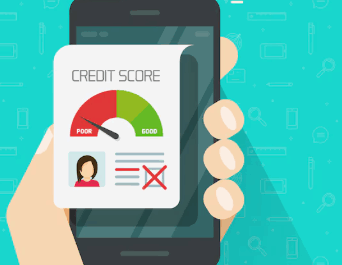
A good credit score improves home loan eligibility and may help you secure good interest rates. Aim for 700 or above, but even if your score is lower, you can take steps to improve it like paying existing debts on time and spacing out new credit applications. Airtel Finance offers a free credit score check so you know where you stand before you apply. |
What Is the Minimum CIBIL Score for a Home Loan?
Most Indian banks consider a CIBIL score of around 700 a reasonable baseline for home loan approval. A score of 750 or above is considered a good CIBIL score for home loan and often qualifies you for the lender’s best interest rates. While a minimum CIBIL score for home loan of 650 may get your application considered, approval usually comes with extra conditions like a higher down payment or a co-applicant. In practice, the closer you are to 750, the smoother your loan journey.
CIBIL Score Ranges and What They Mean for Home Loan Approval
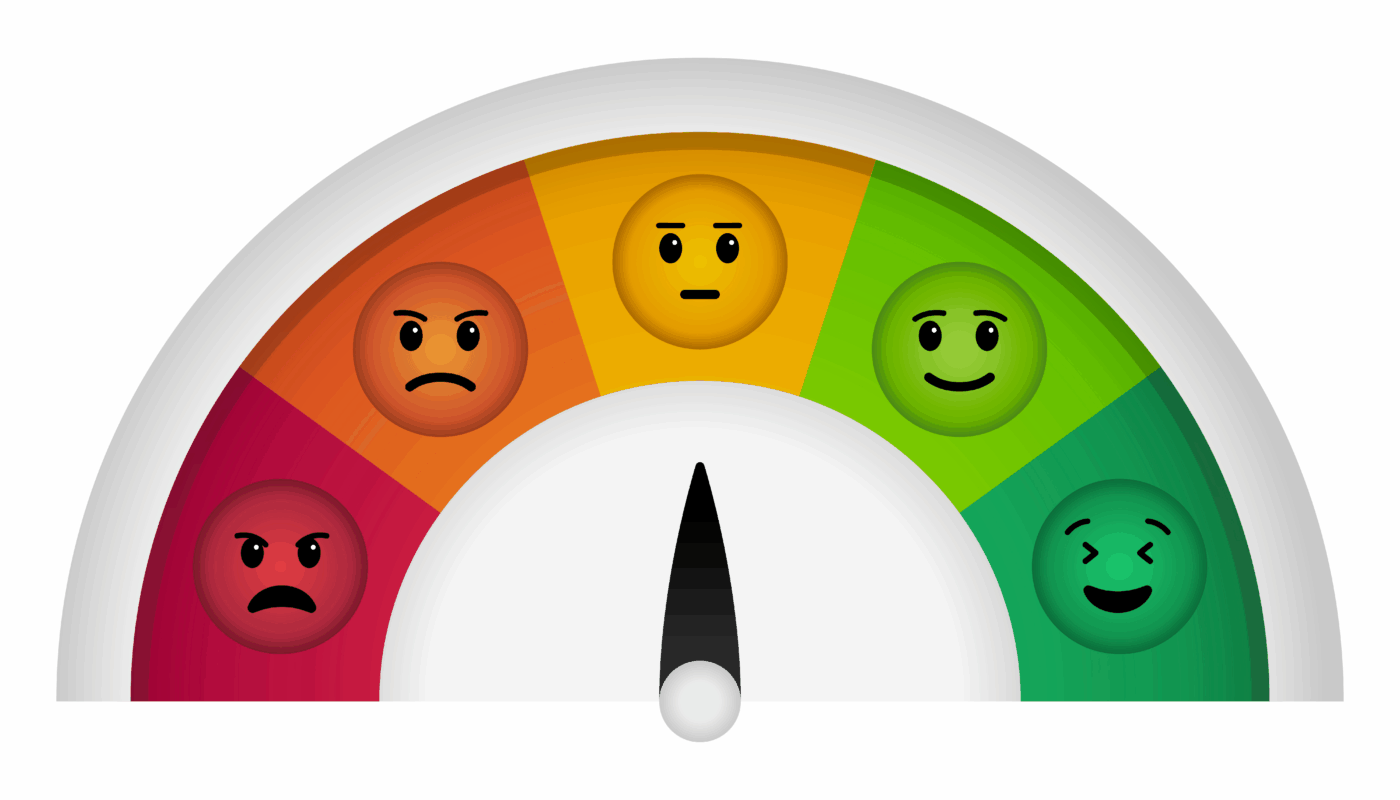
Your CIBIL score range sits between 300 and 900. Lenders use this three-digit number to gauge how reliably you’ve repaid past debt. A higher score signals lower risk and directly impacts home loan interest rate determination, often cutting your rate by 0.5% to 1%. Even a home loan for a low CIBIL score becomes attainable when other factors are strong. Here’s how different bands affect your approval odds.
750 to 900: Excellent, Best Approval Chances
An excellent score. Banks view you as a low-risk borrower. You’re likely to get fast approval, the best interest rates, and flexible loan terms.
700 to 749: Good, Likely Approval
A good score. Approval is probable, though the final rate still depends on income and property valuation.
650 to 699: Fair, Approval Possible with Conditions
A fair score. Lenders may approve your loan but often require a co-applicant or larger down payment.
Below 650: Poor, Higher Rejection Risk
Securing a home loan for bad CIBIL below 650 is challenging. Most mainstream banks decline the application. However, a few NBFCs may extend a loan with higher interest rates and stricter terms.
What Banks Actually Check Besides Your CIBIL Score
Your CIBIL score for home loan is just one part of the picture. Lenders evaluate multiple bank loan assessment factors to gauge your repayment capacity and overall risk. Strong income stability verification, manageable existing EMIs, and a well-valued property often tip the scales in your favour. They also examine your credit utilisation management and consistent repayment behaviour on current obligations.
Income and Repayment Capacity
Banks assess your net monthly income to ensure you can comfortably handle the new EMI. A high income with stable cash flow strengthens your repayment capacity evaluation.
Loan to Value Ratio and Property Valuation
The loan-to-value ratio; how much of the property’s cost the bank finances; hinges on the property valuation process. A lower LTV means you bring a bigger down payment, which lowers lender risk.
Employment Stability and Type
Salaried employees with a steady job history of at least two years, or self-employed professionals with consistent income proof, signal stronger employment type impact and reliability.
Existing EMIs and Fixed Obligation to Income Ratio
Lenders calculate your fixed obligation to income ratio (FOIR) by adding all monthly debt payments. Keeping this ratio under 40%–50% is essential for meeting the credit score approval threshold.
Age and Loan Tenure Fit
Your age at loan maturity affects the maximum tenure. Younger borrowers can stretch repayment over 30 years, reducing the EMI burden and making the credit score approval threshold easier to meet.
Which Credit Bureau Do Banks Use for Home Loans?
Most Indian banks rely on CIBIL as the primary credit bureau score reporting agency for home loan assessments. The CIBIL score for a housing loan application is usually pulled from TransUnion CIBIL. However, lenders also check reports from Experian, Equifax Credit Score, and CRIF Credit Report to cross-verify your credit behaviour. Airtel Finance lets you check your credit score for free and see a comprehensive view across bureaus.
Can You Get a Home Loan with a Low CIBIL Score?
Yes, it’s possible to secure a home loan for low CIBIL score, but you’ll face tougher terms. Lenders may demand a higher down payment, a co-applicant with a stronger profile, or charge a higher interest rate. NBFCs sometimes accept a CIBIL score for home loan as low as 600, though the loan-to-value ratio may be capped at 60%–70%. A joint home loan application with a spouse or parent can also strengthen your case by adding another income source and potentially improving overall eligibility.
How to Improve Your CIBIL Score Before Applying for a Home Loan
If your CIBIL score for home loan is below 700, don’t postpone your dream. A disciplined approach over 6–12 months can lift your score noticeably. Start with these steps.
Pay Existing EMIs and Credit Card Bills on Time
Timely payments are the biggest factor in building your credit history. Set up auto-debit or reminders to never miss a due date.
Reduce Your Credit Utilisation Ratio
Keep your credit card spend below 30% of the total limit. High utilisation signals credit hunger and drags your score down.
Avoid Applying for Multiple Loans at Once
Each loan application triggers a hard inquiry. Too many in a short span can temporarily lower your score. Space them out.
Check Your Credit Report for Errors and Dispute Them
Errors like a wrong loan account or outdated balance can pull your score down. Use CIBIL Customer Care or the CIBIL Dispute Online Guide to flag mistakes and initiate the dispute resolution process. Regular credit score check free reports help you spot issues early.
Check Your CIBIL Score with Airtel Finance
Before applying for a home loan, know exactly where you stand. Airtel Finance partners with RBI-regulated credit bureaus to provide a free credit report worth ₹399; no hidden charges. You can check your credit score for free on the Airtel App in minutes. Understanding your CIBIL score for home loan helps you plan better, whether you need to improve your score or are ready to apply. Download the Airtel App and view your report instantly.
Conclusion
A CIBIL score for home loan of 750 or above places you in a strong position, but even a score around 650 can lead to approval with the right strategy. Focus on timely repayments, low credit utilisation, and a clean report. Use Airtel Finance’s free credit score check to track your progress before you apply. A well-prepared profile not only improves your home loan eligibility criteria but also saves you lakhs in interest over the loan tenure.
FAQs on Minimum CIBIL Score for Home Loan
Can I Get a Home Loan with a 650 CIBIL Score?
Yes, you may get approval, but expect a higher interest rate or the need for a co-applicant. Some NBFCs accept a 650 CIBIL score for home loan, though the loan-to-value ratio may be lower.
Does a Joint Home Loan Application Help if My CIBIL Score Is Low?
Absolutely. Adding a co-applicant with a high CIBIL score for home loan can offset your low score, improving overall eligibility and possibly securing a better rate.
How Much Loan Amount Can I Get with a 750 CIBIL Score?
A 750 score boosts your credibility but doesn’t guarantee a fixed amount. The final loan sanction depends on your income, property value, and repayment capacity evaluation.
Do NBFCs Have a Lower Minimum CIBIL Score Requirement than Banks?
Yes, many NBFCs accept a CIBIL score required for home loan as low as 600. However, they usually charge higher interest and cap the loan-to-value ratio; a clear example of NBFC vs bank lending criteria.
How Long Does It Take to Improve a CIBIL Score Before Applying for a Home Loan?
With consistent repayments and low credit utilisation, you can see a 50–100 point increase in 6–12 months. Check your report every quarter to track the credit history building timeline.
Does a Home Loan Itself Help Improve My CIBIL Score Over Time?
Yes, repaying a home loan on time month after month steadily builds a positive credit history and can lift your score significantly over the years.