Overview:For education loans, lenders focus primarily on the co-applicant’s CIBIL score (ideally 700–750+) rather than the student’s, as most students lack credit history. Even with a low or no score, approval remains possible through collateral, government-backed schemes, or adding a strong co-applicant; making it essential to check your co-applicant’s score beforehand. |
Is a CIBIL Score Required for an Education Loan?
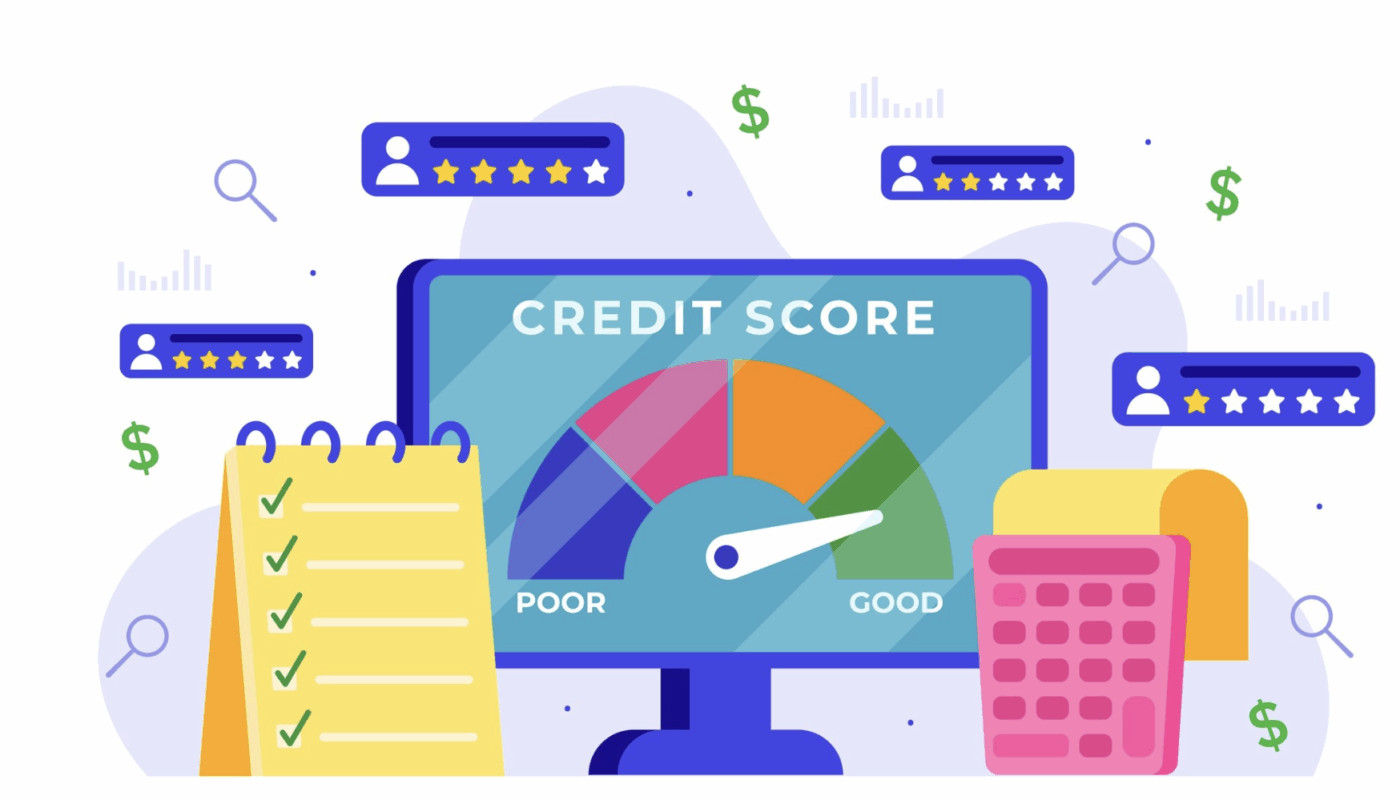
For most students, the CIBIL score for education loan is not checked in isolation because you likely have no credit track record yet; so education loan eligibility depends on other factors. Lenders instead evaluate the creditworthiness of the co-applicant; usually a parent or guardian. The education loan CIBIL score of the co-applicant plays a central role in the decision. Banks and NBFCs rely on this to gauge repayment reliability. A strong co-applicant score can often override the student’s missing score. The credit histories of co-applicants are pulled from credit rating agencies like CIBIL, Experian, or CRIF, and scores typically range between 300 and 900. A parent with a score above 700 significantly improves approval odds.
What Is the Minimum CIBIL Score for an Education Loan?
Most lenders consider a minimum CIBIL score for education loan co-applicants of around 700–750 as safe. The exact CIBIL score required for education loan varies by institution: public sector banks may accept 650 and above if the course and collateral are strong, while private lenders often ask for 750+. Collateral-backed loans are more flexible; with a property or fixed deposit as security, the threshold can dip to 650 or even lower.
Can You Get an Education Loan Without a CIBIL Score?
Yes, you can get an education loan without a CIBIL score. Most students have a student credit history gap because they have never borrowed before. Lenders assess applications based on the co-applicant’s financial strength instead. First-time student borrowers are the norm, not the exception. Lenders shift their focus entirely to the co-applicant’s financial standing, the course’s potential, and the security offered. Thousands of students secure funding every year without a personal credit footprint by leveraging these alternatives. If you’re a first-time borrower with no credit history, consider starting with a small gold loan and first credit score to establish your credit profile before applying for an education loan.
Collateral-Based Education Loans
Offering property, a fixed deposit, or other tangible assets as security allows lenders to sanction an education loan without a CIBIL score for the student. The collateral absorbs the risk, making the co-applicant’s score less critical. Many banks disburse secured loans even when the co-applicant’s score is below 650.
Government-Backed Education Loan Schemes
Government education loan schemes like the Central Sector Interest Subsidy Scheme (CSIS) and the Credit Guarantee Fund Scheme for Education Loans (CGFSEL) put less emphasis on CIBIL scores. They focus on family income, institution quality, and course viability. An education loan with low CIBIL score is often possible under these frameworks because the government provides a partial guarantee.
Loans With a Strong Co-Applicant or Guarantor
When a parent or guardian has a solid credit history and stable income, lenders frequently approve an education loan without CIBIL score for the applicant. The co-applicant’s high score and repayment capacity become the foundation of the credit assessment.
How to Get an Education Loan With a Low CIBIL Score
If you or your co-applicant has a low score, practical steps can still open the door to funding; lenders will rely more on repayment capacity evaluation than your score alone. An education loan with low CIBIL score isn’t out of reach, provided you structure the application strategically.
Add a Co-Applicant With a Good Score
If the original co-applicant’s score is weak, consider adding another earning family member with a healthy credit report. Lenders aggregate the co-applicant’s creditworthiness; a strong second co-applicant can tip the balance.
Offer Collateral to Reduce Lender Risk
A secured loan eliminates much of the lender’s risk, making the minimum CIBIL score for education loans far less rigid. Liquid assets like fixed deposits or residential property work best. Even a partial collateral cover can sometimes convince a cautious lender.
Apply Through a Government Scheme
Several central and state-level schemes bypass strict score filters. The Central Sector Interest Subsidy Scheme, for instance, provides interest subvention and softer education loan eligibility norms. This path is suitable for students from economically weaker backgrounds seeking an education loan with low CIBIL score.
Does Taking an Education Loan Affect Your CIBIL Score?
Yes, an education loan affects CIBIL score for both the student and the co-applicant. During the moratorium period (course duration plus a grace window), the loan shows as “active” but doesn’t immediately change the score. Once repayment starts, timely EMIs build a positive repayment history and strengthen the CIBIL score for student loan over time. Conversely, a single missed EMI can dent both the student’s and co-applicant’s score. Since education loans are often large-ticket and long-tenure, they significantly influence credit profiles. Use the CIBIL report download facility periodically to track how your loan repayment is shaping your credit health.
Check Your CIBIL Score with Airtel Finance
Before you or your co-applicant apply, knowing the current credit standing helps avoid surprises. Airtel Finance lets you check your CIBIL score instantly, for free, right from the Airtel App. You get a detailed credit report worth ₹399 without paying a rupee; CIBIL and CRIF certified. A glance at your co-applicant’s score tells you whether you need to add collateral or explore a government scheme.
Conclusion
A missing or low CIBIL score for education loan does not close the door on your academic plans. Co-applicant strength, tangible collateral, and well-designed government programmes offer clear alternative routes. Start by reviewing the co-applicant’s score with a free creditworthiness check via Airtel Finance, then align your loan application to the strongest available support pillar. With the right preparation, funding your degree; whether in India or abroad; remains firmly within reach.
FAQs on CIBIL Score for Education Loan
Whose CIBIL Score Matters More for an Education Loan, the Student or the Co-Applicant?
Lenders give far more weight to the co-applicant’s education loan CIBIL score because students rarely have a credit history. The co-applicant’s income, existing obligations, and repayment track record drive the approval decision.
Do Government Education Loan Schemes Check CIBIL Score at All?
They may pull the score but treat it as a secondary factor. The Credit Guarantee Fund Scheme and the model education loan framework place greater emphasis on the institution’s accreditation and the family’s economic background, making an education loan with low CIBIL score feasible.
Can a Poor Co-Applicant CIBIL Score Get an Education Loan Rejected?
Yes. A low co-applicant score is one of the common reasons for rejection, even when the student meets academic criteria. Lenders interpret it as repayment risk. Offering collateral or adding a stronger co-applicant can often reverse this outcome.
Does Studying Abroad Require a Higher CIBIL Score Than Studying in India?
Generally, yes. Higher loan amounts for international degrees lead to stricter scrutiny of the co-applicant’s CIBIL score; these are the study abroad loan requirements you need to prepare for. Lenders want to see a score above 750, substantial income, and often additional collateral for study-abroad cases.
Will Missing an Education Loan EMI Affect the Co-Applicant’s CIBIL Score Too?
Absolutely. The education loan is typically reported under both the student’s and co-applicant’s credit files. A single missed payment can lower the score for both, so joint responsibility for on-time repayment is critical.