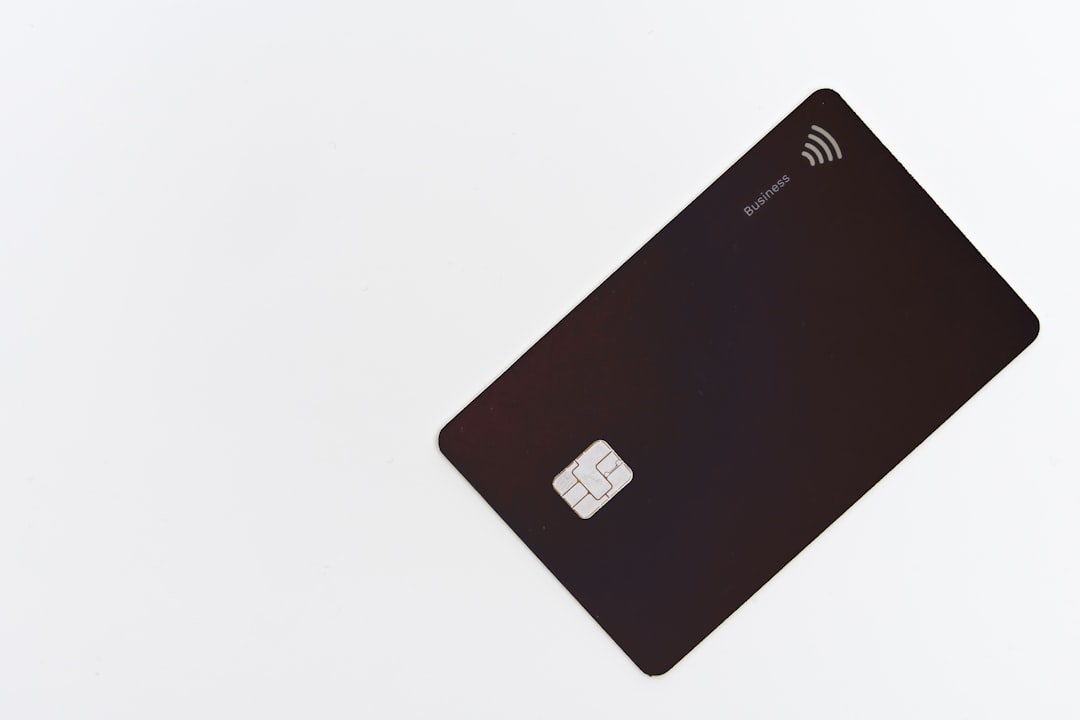
In today’s digital age, online transactions have become an integral part of our lives. EMI cards, which allow users to make purchases and pay in installments, have gained popularity due to their convenience and flexibility. However, many people are still sceptical about the safety of using EMI cards for online transactions. In this article, we will separate the myths from reality and provide you with the information you need to use your EMI card securely online.
Understanding EMI Card Security Features
Encryption and Secure Payment Gateways
When it comes to EMI card safety, encryption plays a crucial role. Just like credit and debit cards, EMI cards use advanced encryption technology to protect your sensitive information during online transactions. When you make a purchase, your data is converted into a secure code that is difficult for hackers to intercept. Additionally, reputable online merchants use secure payment gateways that employ encryption and fraud detection tools to further safeguard your EMI card details.
Two-factor authentication (2FA)
Two-factor authentication (2FA) is another important security feature that enhances EMI cards’ online safety. With 2FA, you are required to provide two forms of identification to complete a transaction. Typically, this involves entering your EMI card details along with a one-time password (OTP) sent to your registered mobile number or email. This additional layer of security ensures that even if someone manages to obtain your EMI card information, they cannot complete a transaction without access to your OTP.
Tokenization
Tokenization is a relatively new technology that is being adopted by many financial institutions to enhance digital EMI card safety. When you make an online transaction using a tokenised EMI card, your actual card details are replaced with a unique digital token. This token is useless to hackers if intercepted, as it cannot be used for any other transaction. Tokenization adds an extra layer of security, making it much harder for cybercriminals to steal your EMI card information.
Best Practices for Secure Online EMI Card Use
Shop on Trusted Websites
One of the most important aspects of secure online EMI card use is to shop only on trusted websites. Before entering your EMI card details, ensure that the website has a secure connection, indicated by “https://” in the URL and a lock icon in the browser bar. Avoid making purchases on websites that lack these security indicators, as they may not have the necessary measures in place to protect your information.
Use Strong Passwords
When creating an account on an e-commerce website or setting up your EMI card online, always use strong, unique passwords. A strong password should include a mix of uppercase and lowercase letters, numbers, and special characters. Avoid using easily guessable information such as your birthdate or phone number. Additionally, never share your passwords with anyone, and consider using a password manager to help you generate and store complex passwords securely.
Keep Your Device and Software Updated
To maintain EMI card safety while shopping online, it is crucial to keep your device and software up to date. Regularly update your operating system, browser, and any security software to ensure that you have the latest protection against potential threats. Cybercriminals often exploit vulnerabilities in outdated software to steal sensitive information, so keeping your device updated is an essential aspect of secure online EMI card use.
Be Cautious of Phishing Scams
Phishing scams are a common tactic used by cybercriminals to trick users into revealing their EMI card details. These scams typically involve receiving an email or message that appears to be from a legitimate source, such as your bank or a popular e-commerce website. The message may ask you to click on a link and enter your EMI card information to resolve an issue or claim a prize. To protect yourself from phishing scams, always verify the sender’s identity and avoid clicking on suspicious links or providing your EMI card details in response to unsolicited messages.
Monitor Your Statements Regularly
One of the best ways to ensure EMI cards’ online safety is to regularly monitor your statements. After making an online purchase with your EMI card, keep an eye on your account for any unauthorised transactions. If you notice any suspicious activity, contact your EMI card issuer immediately to report the issue and block your card if necessary. Most EMI card providers offer zero liability protection, which means you will not be held responsible for any fraudulent transactions, as long as you report them promptly.
Myth vs. Reality: Common Misconceptions About EMI Card Safety
- Myth 1: EMI cards are not as secure as credit cards for online transactions.
Reality: EMI cards offer the same level of security as credit cards when used for online transactions. They employ similar encryption technology, secure payment gateways, and fraud detection mechanisms to protect your information. - Myth 2: Using an EMI card online increases your risk of falling victim to fraud.
Reality: While there is always some risk associated with online transactions, using an EMI card does not inherently increase your chances of becoming a victim of fraud. By following best practices for secure online EMI card use and staying vigilant, you can significantly reduce your risk. - Myth 3: EMI card issuers do not offer any protection against online fraud.
Reality: Most EMI card issuers provide zero liability protection for fraudulent transactions, meaning you will not be held responsible for any unauthorised charges made with your card. However, it is important to report any suspicious activity promptly to ensure that you are protected. - Myth 4: It is safer to use cash or bank transfers for online purchases than EMI cards.
Reality: While cash and bank transfers can be secure options for online transactions, they do not offer the same level of convenience and protection as EMI cards. When you use an EMI card, you have the ability to dispute fraudulent charges and receive reimbursement from your card issuer.
Conclusion
In conclusion, EMI card safety for online transactions is a matter of understanding the security features offered by your card issuer and adopting best practices for secure usage. By separating myths from reality and taking advantage of the protection provided by encryption, two-factor authentication, and tokenisation, you can confidently use your EMI card for online purchases.
Remember to always shop on trusted websites, use strong passwords, keep your device and software updated, and be cautious of phishing scams. Regularly monitoring your statements for any suspicious activity is also crucial in maintaining EMI cards online safety.
FAQs
- Are EMI cards secure for online purchases?
Yes, EMI cards are secure for online purchases when used on trusted websites and with proper precautions such as strong passwords and up-to-date security software. - What are the risks involved in using EMI cards online?
The main risks involved in using EMI cards online include phishing scams, malware, and unauthorised transactions. However, these risks can be minimised by following best practices for secure online EMI card use. - How can you ensure EMI card safety during online transactions?
To ensure EMI card safety during online transactions, shop only on trusted websites, use strong passwords, keep your device and software updated, and be cautious of phishing scams. Regularly monitoring your statements for suspicious activity is also crucial. - Do EMI cards come with fraud protection for online payments?
Most EMI card issuers offer zero liability protection for fraudulent online transactions, meaning you will not be held responsible for any unauthorised charges, as long as you report them promptly. - How can you differentiate between a secure and insecure online merchant using EMI cards?
A secure online merchant using EMI cards will have “https://” in the URL and a lock icon in the browser bar, indicating a secure connection. They will also have a clear privacy policy and security measures in place to protect your information.