| Overview: A smart EMI card allows you to convert purchases into monthly installments through bank platforms, while Airtel Bajaj Finserv Insta EMI cards offer pre-qualified loans at partner stores. Both serve different needs – smart EMI cards provide flexibility across merchants, whilst Airtel Bajaj Finserv Insta EMI cards often feature easy EMI offers. |
What Makes EMI Cards Essential for Indian Consumers
Over 40% of electronics purchases in urban India now involve EMI financing, transforming how families manage large expenses. With India’s consumer electronics market valued at ₹4.5 lakh crore, EMI cards have become crucial financial tools for NCCS A and B households.
A smart EMI card essentially converts your eligible purchases into easy monthly payments through your existing bank relationship. Meanwhile, Airtel Bajaj Finserv Insta EMI cards operate as standalone payment instruments with pre-qualified loan offer amounts. Both options address the same core need – making expensive purchases affordable – but through different mechanisms and cost structures.
This article examines how these EMI solutions work, their technical differences, cost implications, and which option suits different shopping scenarios. We’ll also explore calculation methods, eligibility criteria, and practical usage tips to help you make informed decisions.
Understanding Smart EMI Card Mechanics
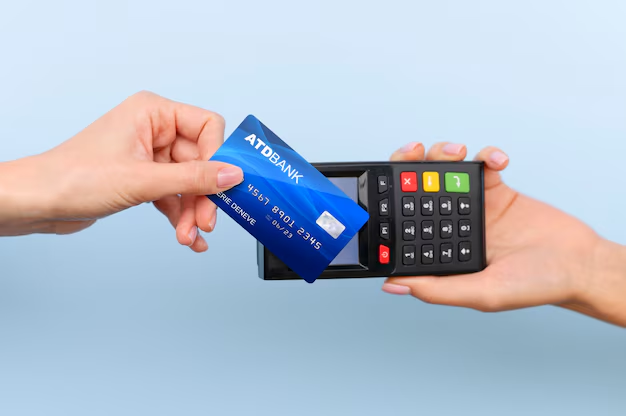
A smart EMI card functions through your existing debit or credit card, allowing you to convert transactions into installments post-purchase.
Key technical specifications include:
| Feature | Smart EMI Card |
| Loan Amount | ₹5,000 – ₹15 lakh |
| Tenure Options | 3-48 months |
| Interest Rate | 10-40% per annum |
| Processing Fee | ₹99-₹849 + GST |
| Minimum Purchase | ₹5,000 |
| Application Mode | Digital, through banking app |
Calculation Example
Consider purchasing a laptop worth ₹45,000 using a smart EMI card with these terms:
- Tenure: 12 months
- Interest rate: 15% per annum
- Processing fee: ₹499 + GST
Using the EMI formula:
EMI = [P × r × (1+r)^n] / [(1+r)^n – 1]
Where:
- P = Principal amount (₹45,000)
- r = Monthly interest rate (15%/12 = 1.25% = 0.0125)
- n = Number of months (12)
EMI = [45,000 × 0.0125 × (1.0125)^12] / [(1.0125)^12 – 1]
EMI = ₹4,078 approximately
Total repayment: ₹4,078 × 12 + ₹499 + GST = ₹49,435
Eligibility Requirements
Banks typically require:
- Age: 21-60 years
- Minimum monthly income: ₹25,000
- CIBIL score: 650 or above
- Employment stability: 2 years total, 1 year with current employer
- Residential stability: 1 year at current address
EMI Cards: Network-Based Solutions
The Airtel Bajaj Finserv Insta EMI card operates as a pre-qualified loan payment instrument accepted at over 1.5 lakh partner stores nationwide. Unlike smart EMI cards, it doesn’t require an existing bank relationship but functions through Bajaj Finserv’s network.
Technical specifications include:
| Feature | Airtel Bajaj Finserv Insta EMI cards |
| Card Loan Offer Amount | Up to ₹3,00,000 |
| Tenure Options | 3-60 months |
| Interest Rate | Often easy EMIs on select products |
| Processing Fee | Minimal or zero |
| Down Payment | Minimal or zero |
| Partner Network | 1.5 lakh+ stores |
Comprehensive Comparison Analysis
| Aspect | Smart EMI Card | Airtel Bajaj Finserv Insta EMI cards |
| Type | Bank credit facility | NBFC payment instrument |
| Acceptance | Any merchant accepting cards | Partner stores only |
| Credit Impact | Direct CIBIL reporting | NBFC reporting varies |
| Documentation | Bank KYC, income proof | Aadhaar, ECS mandate |
| Flexibility | High – any purchase location | Limited to partner network |
| Cost Structure | Interest + processing fees | Often easy EMIs with partners |

Usage Scenarios
Mentioned below are some common scenarios:
Urban Professional Scenario
Rajesh, a software engineer in Bangalore, wants to buy an iPhone worth ₹1.2 lakh online. A smart EMI card enables this purchase across any e-commerce platform, though he’ll pay interest charges. The Airtel Bajaj Finserv Insta EMI card might not be accepted for online purchases from non-partner retailers.
Semi-Urban Family Scenario
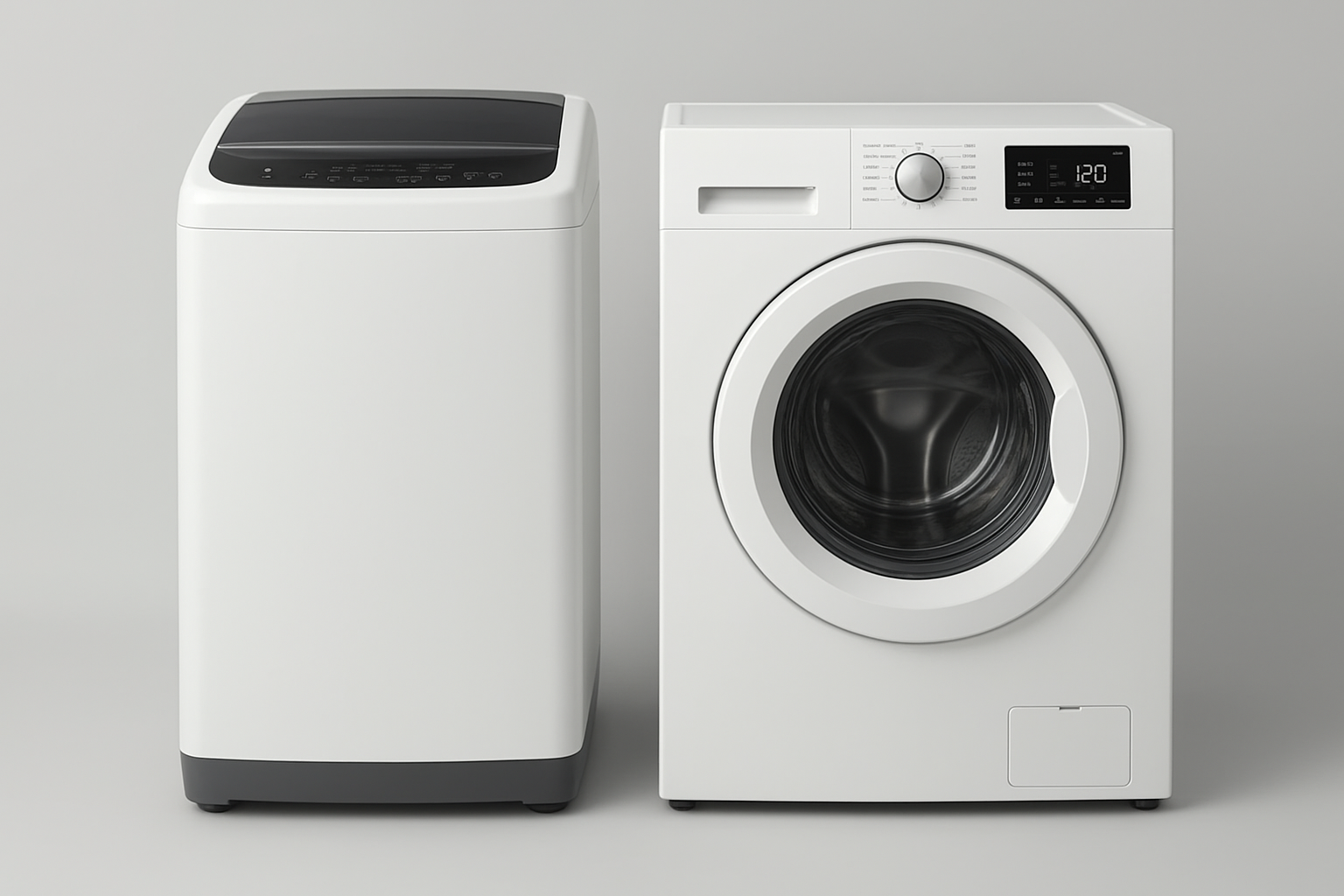
The Sharma family in Indore needs a washing machine worth ₹35,000. At a local Bajaj partner store, they can get easy EMIs with minimal documentation. A smart EMI card would work too, but with interest charges and more paperwork.
Cost Analysis and Financial Implications
Smart EMI cards typically charge 10-40% annual interest, significantly impacting total costs. For a ₹50,000 purchase at 18% interest over 12 months:
- Monthly EMI: ₹4,589
- Total payment: ₹55,068
- Extra cost: ₹5,068
Airtel Bajaj Finserv Insta EMI cards often feature manufacturer-subsidised easy EMI options, making them cost-effective for partner store purchases.
Hidden Charges Analysis
Both options may include:
- Processing fees (₹99-₹849 for smart EMI cards).
- GST on fees and interest.
- Late payment charges.
- Prepayment penalties.
| Mistake to Avoid: When applying, factor in GST, processing fees, and opportunity costs when comparing options. |
Making the Right Choice
Choose a smart EMI card when:
- Shopping online or at non-partner stores.
- Needing higher purchase loan offer amounts (above ₹3,00,000).
- Having strong bank relationships.
- Requiring maximum flexibility.
Choose an Airtel Bajaj Finserv Insta EMI card when:
- Shopping at partner stores.
- Seeking easy EMI offers.
- Preferring minimal documentation.
- Making appliance or electronics purchases.
Airtel Finance Insta EMI Card Alternative
The Airtel Bajaj Finserv Insta EMI Card combines the benefits of both approaches. With pre-qualified loan offer amounts and acceptance at 1.5 lakh+ partner stores, it offers flexibility with competitive terms. The digital application process through the Airtel Thanks app makes it accessible for urban and semi-urban consumers alike.
| Did You Know? The Airtel Bajaj Finserv Insta EMI Card processes applications digitally within minutes, eliminating traditional paperwork hassles while providing instant purchase power. |
Strategic Usage Tips
Here’s how you can maximise your benefits:
- Compare total costs, including all fees, before choosing any EMI option.
- Check partner store networks for Airtel Bajaj Finserv Insta EMI cards before major purchases.
- Monitor CIBIL impact from EMI repayments on both card types.
- Plan purchases around festive offers when easy EMIs are common.
- Maintain payment discipline to avoid late fees and credit score damage.
Financial Planning Integration
EMI cards work best when integrated into overall financial planning. Budget for monthly EMI payments alongside existing commitments. Consider how EMI obligations affect your ability to handle emergencies or other financial goals.
Both smart EMI cards and Airtel Bajaj Finserv Insta EMI cards serve specific consumer needs in India’s evolving retail finance landscape. Smart EMI cards offer flexibility across merchants but come with interest costs. Airtel Bajaj Finserv Insta EMI cards provide cost-effective solutions at partner stores with limited acceptance.
Understanding these differences helps you choose the right tool for your specific shopping requirements, ensuring you get maximum value while managing costs effectively. Consider your shopping patterns, preferred merchants, and cost tolerance when deciding between EMI solutions with Airtel Finance.
FAQs
1. Which smart EMI card offers better interest rates for electronics purchases?
Interest rates vary by bank and credit profile, typically ranging from 10% to 40% annually. Compare processing fees, tenure options, and partner offers before choosing any smart EMI card option.
2. Can I use the Airtel Bajaj Finserv Insta EMI card for online shopping on major e-commerce platforms?
Airtel Bajaj Finserv Insta EMI cards primarily work at offline partner stores, though select online retailers now accept them. Check partner network coverage before relying on online acceptance.
3. How does EMI card usage affect my CIBIL score compared to regular credit cards?
Both smart EMI cards and Airtel Bajaj Finserv Insta EMI card repayments impact CIBIL scores. Timely payments improve scores, whilst defaults harm future loan eligibility significantly.
4. What documentation is required for instant approval of different EMI card types?
Smart EMI cards need bank KYC, income proof, and employment verification. Airtel Bajaj Finserv Insta EMI cards require Aadhaar, ECS mandate, and cancelled cheque for faster processing.
5. Are processing fees refundable if I prepay my smart EMI card balance early?
Most banks don’t refund processing fees on early EMI closure. However, you save on remaining interest charges, making prepayment beneficial for high-interest EMI conversions.