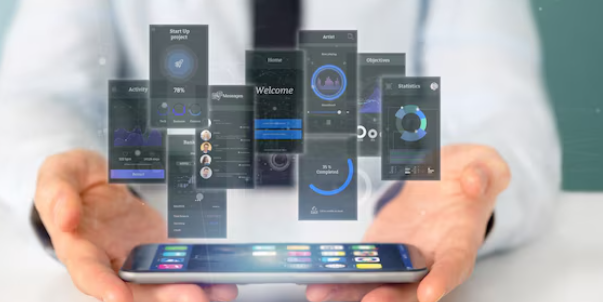
| Overview: Choosing the right smartphone operating system is crucial for performance, security, and usability. Android dominates the Indian market, and iOS holds premium appeal, while emerging platforms like HarmonyOS and KaiOS fill specific gaps. Knowing these differences helps users make smarter buying decisions and align purchases with flexible payment solutions. |
Android, iOS and Beyond: What Sets Them Apart
India’s smartphone base surpassed 650 million users in 2024. Android powers nearly 95% of Indian smartphones, while iOS holds around 3–4%, largely in premium segments. Operating systems influence app compatibility, battery life, privacy, and ecosystem benefits. As devices grow costlier, buyers increasingly explore flexible purchase solutions like EMIs to own their preferred smartphones without financial strain.
Android: Flexibility and Customisation
Android, developed by Google, dominates India with its affordability and wide brand ecosystem.
Key advantages:
- Available across all price ranges
- Strong app library via Google Play Store
- Customisable interface and hardware options
- Regular updates for security (though device-specific)
Drawbacks:
- Fragmented update cycles
- Varying security levels depending on brand
iOS: Premium Security and Ecosystem
Apple’s iOS is known for its smooth integration and security.
Advantages:
- Superior hardware-software optimisation
- Regular and uniform updates
- Strong privacy controls and app quality standards
- Ecosystem integration with iPad, Mac, and Watch
Limitations:
- Premium pricing, making accessibility limited
- Less flexibility in customisation compared to Android
Others: Emerging Contenders
While Android and iOS dominate, other smartphone operating systems exist:
- HarmonyOS (Huawei): Focused on seamless device integration within Huawei products.
- KaiOS: Popular in India’s feature phone market, supports essential apps like WhatsApp.
- Windows OS (discontinued): Once popular, now phased out but relevant historically.
Quick Comparison Table
From dominance in India to unique features, each smartphone operating system shapes how we connect, work, and enjoy technology daily.
| Feature | Android | iOS | Others (HarmonyOS/KaiOS) |
| Market share (India) | ~95% | ~3–4% | <2% |
| Price range | Budget to premium | Premium only | Budget/feature phones |
| Updates | Brand-dependent | Uniform, regular | Limited |
| Customisation | High | Low | Moderate |
| Ecosystem integration | Moderate (brand-specific) | Strong Apple ecosystem | Limited to brand scope |
| Important to Know: Android devices support far more brands and price options, but iOS maintains better long-term software support. |
Smartphone Purchases in India
In India, smartphone prices range from ₹8,000 entry models to ₹1,20,000+ premium devices. Rising average selling prices drive demand for EMI-based purchases. Many buyers prefer spreading the cost using easy EMI options instead of lump sum payments.
Financing Smartphones with EMI Cards
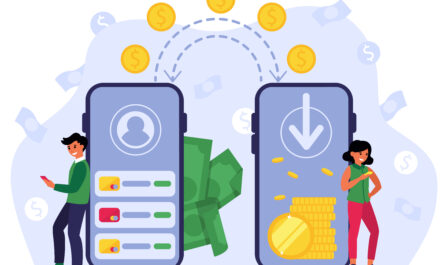
EMI cards allow users to split their purchase into manageable instalments. With increasing smartphone costs, these solutions remove affordability barriers.
Benefits include:
- Loan amount flexibility
- Easy EMI repayment over chosen tenure
- Access to premium phones with zero down payment options
- Quick digital approval for eligible customers
Many also use EMI cards to upgrade workstations, buy appliances, or even bring cinema home.
| Mistakes to Avoid: Avoid choosing an operating system solely based on popularity—consider long-term software support and ecosystem needs. |
Airtel Bajaj Finserv Insta EMI Card in Smartphone Purchases
The Airtel Bajaj Finserv Insta EMI Card enables customers to purchase smartphones across platforms—Android, iOS, or others—without heavy upfront costs. With a pre-qualified loan offer amount of up to ₹3,00,000, buyers can access both budget and premium devices. The card offers:
- Zero down payment on select models
- Wide acceptance across partner stores and online retailers
- Simple repayment through EMIs
Moreover, the card also works well for tablet purchases, air conditioners, or even kitchen upgrades.
| Facts to Know: Apple iPhones retain resale value better than most Android models in India. |
Final Thoughts: Choosing Smart, Paying Smarter
Smartphone operating systems shape the overall mobile experience. While Android offers choice and flexibility, iOS ensures security and smooth performance, and other systems fill niche needs.
For Indian consumers, affordability remains key, making flexible payment methods essential. The Airtel Bajaj Finserv Insta EMI Card provides the perfect solution, with a loan offer amount and easy EMI option that make premium smartphones more accessible.
FAQs
1. Which smartphone operating system dominates India?
Android leads with around 95% market share in India, thanks to affordability, wide brand options, and a vast app ecosystem.
2. Why choose iOS over Android?
iOS offers stronger security, seamless Apple ecosystem integration, and long-term updates, though devices are generally premium priced.
3. Are there alternatives to Android and iOS?
Yes, HarmonyOS and KaiOS exist, focusing on niche segments like Huawei devices and affordable feature phones supporting essential apps.
4. How do smartphone operating systems affect user experience?
Operating systems influence app availability, battery performance, updates, privacy, and ecosystem connectivity, shaping the overall smartphone experience.
5. Do smartphone operating systems impact resale value?
Yes, iOS devices usually retain higher resale value in India, while most Android devices depreciate faster depending on brand.