
| Overview: This guide explains the RBI guidelines for personal loan defaulters, outlining the loan recovery process, borrower rights, and consequences of default. We cover how these regulations protect both lenders and borrowers, what happens when you miss EMI payments, and practical steps to avoid defaulting on your loan obligations. |
What Constitutes a Personal Loan Default?
A personal loan default occurs when a borrower fails to repay their loan as per the agreed terms. According to RBI guidelines for personal loan defaulters, most financial institutions classify a loan as defaulted when payments are missed for more than 90 consecutive days. This classification triggers specific recovery procedures as outlined in the RBI rules for personal loan recovery.
In India, personal loan defaults have increased a lot in the last two years, affecting millions of borrowers. When you default on your loan, your account is reported to credit bureaus like CIBIL, impacting your credit score significantly.
| Pro Tip: Always communicate proactively with your lender if you anticipate payment difficulties. Many lenders offer restructuring options before classifying the loan as a default. You can also explore loan restructuring and understand how settlements may impact your long-term credit profile. |
Official RBI Recovery Guidelines for Defaulters
The RBI’s new guidelines for personal loan recovery establish a structured approach that lenders must follow. These regulations ensure fair treatment and allow financial institutions to recover their funds.
Recovery Process Timeline
- First Notice (1-30 days overdue): Reminder calls and messages.
- Second Notice (31-60 days overdue): Formal written communication.
- Final Notice (61-90 days overdue): Warning about potential legal action.
- Default Classification (90+ days): Account marked as NPA and recovery proceedings begin.
Recovery Methods Permitted by RBI
The RBI guidelines for personal loan defaulters allow lenders to use the following approaches:
| Recovery Method | Description | Borrower Rights |
| Reminder Calls/Messages | Polite communication during business hours (8 AM-7 PM) | Right to privacy and dignity |
| Written Notices | Formal communication with clear repayment options | Right to receive proper documentation |
| Recovery Agents | In-person visits following strict code of conduct | Right to respectful treatment without harassment |
| Legal Proceedings | Filing recovery suits in appropriate courts | Right to legal representation |
| Did You Know?: The RBI has established a complaint portal where borrowers can report violations of recovery guidelines. In 2023, over 7 lakh complaints were filed against improper recovery practices. |
Impact of Default on Your Credit Profile
When you miss payments, the RBI guidelines for personal loan defaulters require lenders to report this information to credit bureaus.
Credit Score Impact
- Immediate drop of 50-150 points in your credit score.
- Default record remains on your credit report for 7 years.
- Difficulty in obtaining new loans or credit cards.
- Higher interest rates on future borrowings if approved.
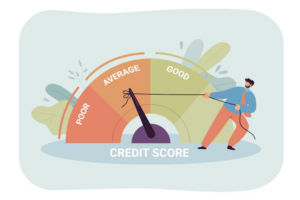
To understand how your score affects loan eligibility, you must check out the CIBIL score range.
Borrower Rights Under RBI Guidelines
The RBI’s new guidelines for personal loan recovery provide significant protection for borrowers, even those who have defaulted.
Key Rights of Defaulters
- Right to dignity: No harassment, intimidation, or public humiliation.
- Right to privacy: No disclosure of debt information to third parties.
- Right to fair treatment: No unfair practices or excessive contact.
- Right to information: Clear communication about outstanding amount and recovery process.
Also, innovations in risk management like KYC are helping improve borrower profiling and ensure transparency.
Options for Borrowers Facing Financial Difficulties
The RBI rules for personal loan management offer several alternatives for borrowers experiencing financial hardship before they default:
Loan Restructuring
If you are facing temporary financial difficulties, you can request loan restructuring. This might include:
- Extended loan tenure to reduce EMI amount
- Temporary moratorium on payments
- Conversion of part of the interest into a separate term loan
CTA: Apply for Airtel Finance personal loans online—zero paperwork, flexible EMIs, and instant approval in minutes.
One-Time Settlement (OTS)
OTS allows you to settle the debt by paying a lump sum amount that’s typically less than the total outstanding.
A typical OTS calculation:
- Original loan amount: ₹5 lakh.
- Outstanding amount with interest and penalties: ₹6.2 lakh.
- OTS offer: ₹4.8 lakh (approximately 77% of total outstanding).
Preventive Measures to Avoid Loan Default
The best approach is to avoid defaulting on your personal loan altogether. Here are preventive strategies aligned with RBI guidelines for personal loan defaulters:

- Emergency Fund: Maintain savings equivalent to 3-6 months of expenses.
- Loan Insurance: Consider payment protection insurance that covers EMIs during illness or job loss.
- Automatic Payments: Set up auto-debit to avoid missing payment dates
- Debt Management: Follow smart debt management strategies to stay financially stable.
| Mistakes to Avoid: Ignoring early communication from lenders is a critical mistake. According to the RBI’s new guidelines for personal loan management, early intervention can prevent the situation from escalating to a full default. |
Rebuilding Financial Health After Default
If you’ve already defaulted on your personal loan, you can take steps to repair your financial health:
- Settle the outstanding debt through negotiation with the lender.
- Obtain a default clearance certificate once the debt is settled.
- Check your credit report to ensure the settlement is correctly reported.
- Start building a positive credit history with secured credit products.
- Maintain a perfect payment record on all future obligations.
Understanding the process of loan servicing can also help you stay on top of future borrowings more effectively.
Move Forward Smarter: Borrow Wisely, Repay Confidently
Being familiar with RBI guidelines for personal loan defaulters is crucial for protecting your financial future. These regulations establish a balance between lenders’ right to recover funds and borrowers’ right to fair treatment. By knowing the recovery process, your rights, and available options, you can navigate financial difficulties more effectively.
For those looking for responsible borrowing options with transparent terms, check the interest rates and flexible repayment options available through Airtel Finance.
Take control of your finances today with Airtel Finance’s smart, secure, and tailored financial products.
FAQs
1. What are the latest RBI guidelines for personal loan defaulters regarding recovery agent conduct?
The RBI rules for personal loan recovery prohibit agents from harassing borrowers, visiting before 7 AM or after 7 PM, or contacting family members/colleagues except as guarantors.
2. How long does a personal loan default stay on my credit report under RBI guidelines?
According to RBI guidelines for personal loan defaulters, a default typically remains on your credit report for 7 years, significantly affecting your ability to obtain future credit.
3. Can lenders charge additional interest on defaulted personal loans as per RBI rules?
Yes, the RBI’s new guidelines for personal loan defaults allow lenders to charge penal interest (typically 2–4% above the normal rate) on overdue amounts after default.
4. What legal actions can lenders take against personal loan defaulters under RBI guidelines?
Under RBI guidelines for personal loan defaulters, lenders can file recovery suits, issue legal notices, and, in some cases, approach debt recovery tribunals for loan amounts exceeding ₹20 lakh.
5. Does the RBI allow settlement of defaulted personal loans for less than the outstanding amount?
Yes, RBI rules for personal loan settlements permit lenders to offer one-time settlement schemes, often accepting 70-80% of the outstanding amount to close defaulted accounts.
Related Articles
- RBI Guidelines on Loan Settlement: What You Must Know
- RBI Rules 2025: Benefits for Indian Borrowers
- RBI NBFC Rules: A Complete Guide for Borrowers