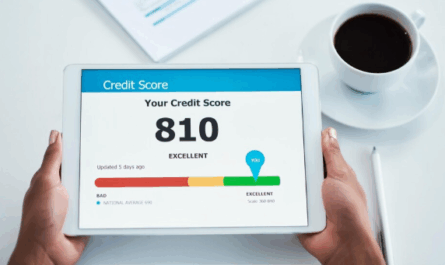
| Overview: Regular credit monitoring in India offers significant advantages, including early fraud detection, better loan approvals, improved interest rates, and enhanced financial planning. Understanding these benefits helps you maintain strong creditworthiness and access premium financial products with confidence. |
The Hidden Cost of Ignoring Your Credit Score
Over 30% of Indian loan applications face rejection due to poor or inaccurate credit scores. In major cities like Mumbai and Delhi, average CIBIL scores have risen above 720, yet a single missed EMI can drop your score by 50 points overnight. With RBI mandating credit score assessments for all retail loans and credit score checks becoming standard practice, regular monitoring has become essential for financial success.
Most Indians check their scores only when applying for loans, missing crucial opportunities to improve their creditworthiness. This reactive approach often leads to loan rejections, higher interest rates, and limited financial options during emergencies.
Understanding Credit Scores and Their Impact
Your credit score is a three-digit number ranging from 300 to 900, calculated using five key factors:
- Payment History (35%): Your track record of timely payments
- Credit Utilisation (30%): Percentage of credit limit used
- Length of Credit History (15%): Age of your credit accounts
- Credit Mix (10%): Variety of credit types
- Recent Inquiries (10%): New credit applications
| Score Range | Category | Approval Odds | Interest Rates |
| 800-900 | Excellent | 99% | 10-11% |
| 750-799 | Very Good | 90% | 11-13% |
| 700-749 | Good | 70% | 13-15% |
| 650-699 | Fair | 40% | 15%+ |
| Below 650 | Poor | Less than 20% | Often rejected |
Early Detection of Errors and Fraud
Credit bureaus process millions of data points monthly, making errors inevitable. Common mistakes include:
- Wrong payment reporting: Your timely EMI might be marked as overdue
- Identity mix-ups: Someone else’s defaults affecting your score
- Closed account issues: Old accounts showing active balances
- Duplicate entries: Same loan appearing multiple times
Real-world scenario: Priya discovered her mobile bill payment was incorrectly reported as 90 days overdue, dropping her score from 780 to 720. Regular monitoring helped her dispute this error within 30 days, restoring her score before applying for a home loan.
| Expert Advice: Self-checks are soft enquiries that don’t impact your score. Only lender-initiated hard enquiries during actual applications affect your creditworthiness. |
Improved Loan Approval Chances
Lenders use automated scoring systems for quick decisions. Understanding your score helps you:
- Time applications strategically when your score peaks
- Avoid multiple hard inquiries that reduce scores by 5-7 points each
- Choose appropriate lenders based on their score requirements
- Prepare necessary documentation for faster processing
Many personal loan providers now offer instant approvals for scores above 750, while lower scores face longer processing times and higher scrutiny.
Calculation Example:
If Raj applies with a 760 score: ₹5 lakh loan at 11.5% p.a.
- EMI: ₹17,431
- Total interest: ₹1,27,516
If he waits until his score drops to 690: ₹3 lakh loan at 15.5% p.a.
- EMI: ₹10,572
- Total interest: ₹1,80,592
- Additional cost: ₹53,076 due to lower score
Negotiating Better Interest Rates and Terms

High credit scores provide significant leverage during loan negotiations. Benefits include:
- Lower interest rates: Save thousands in interest payments
- Higher loan amounts: Access larger credit limits
- Reduced processing fees: Many lenders waive fees for excellent scores
- Flexible repayment terms: Longer tenures or prepayment options
| Interesting Fact: A 100-point difference in credit score can reduce your interest rate by 2-4%, potentially saving ₹2-3 lakh on a ₹25 lakh home loan over 20 years. |
In India, regular credit monitoring allows you to track improvements and capitalise on better scores when applying for new credit.
Financial Goal Setting and Progress Tracking
Credit scores reflect your overall financial discipline. Monthly monitoring helps you:
Track improvement patterns:
- Payment consistency impact
- Credit utilisation optimisation results
- Debt reduction progress
- Credit mix diversification benefits
Set realistic targets:
- Short-term: Improve score by 50 points in 6 months
- Medium-term: Achieve 750+ score within 12 months
- Long-term: Maintain excellent credit for premium product access
Many people use fixed deposits as collateral to build credit history while earning steady returns, gradually improving their scores.
Avoiding Last-Minute Loan Rejections
Emergency financial needs don’t wait for perfect credit scores. Regular monitoring prevents:
- Surprise rejections during urgent requirements
- Delayed processing due to documentation issues
- Higher costs from approaching multiple lenders
- Missed opportunities for time-sensitive investments
Customer Story: Amit regularly checked his credit score and noticed a gradual decline due to high credit card utilisation. He reduced his spending and paid down balances three months before applying for a business expansion loan, securing approval at competitive rates.
Common Credit Monitoring Myths
Myth 1: Frequent checking lowers your score
Reality: Self-checks don’t impact scores; only lender inquiries do
Myth 2: Only loan EMIs affect credit scores
Reality: Credit cards, utility bills, and even mobile payments can impact scores
Myth 3: Closing old cards improves scores
Reality: Closing cards reduces available credit and can hurt scores
| Monitoring Frequency | Recommended For | Benefits |
| Monthly | Active borrowers | Early error detection |
| Quarterly | Stable finances | Progress tracking |
| Before major applications | All applicants | Optimised timing |
Maximising Your Credit Score Benefits
In India, regular credit monitoring becomes truly valuable when you act on the insights. Modern financial platforms offer tools to check eligibility instantly, helping you understand loan prospects before formal applications.
Regular credit score monitoring transforms from a reactive necessity to a proactive financial tool. It helps you detect problems early, negotiate better terms, time applications strategically, and build long-term wealth through optimal credit management. With India’s evolving digital lending landscape, maintaining awareness of your creditworthiness ensures you’re positioned to access the best financial products when opportunities arise.
Start checking your credit score monthly, dispute errors promptly, and use insights to improve your financial profile. Take control of your finances. Apply for an Airtel Finance personal loan up to ₹900000. 100% digital, paperless, and disbursed seamlessly—designed for achievers like you!
FAQs
1. How often should I check my credit score for effective credit monitoring in India?
Check your credit score monthly if you’re actively using credit or quarterly for stable finances. Always check before major loan applications to avoid surprises.
2. Do frequent credit score checks impact my credit rating negatively?
No, self-initiated credit checks are soft enquiries that don’t affect your score. Only lender-initiated hard enquiries during actual applications can temporarily reduce scores.
3. What’s the minimum credit score needed for loan approval in India?
Most lenders prefer scores above 750 for the best rates. Scores between 650 and 749 may get approval with higher interest rates, while those below 650 face frequent rejections.
4. Can utility bill payments affect my credit score calculations?
Yes, if utility providers report payment data to credit bureaus, late payments can negatively impact scores. Timely payments generally don’t boost scores unless specifically reported.
5. How quickly can credit monitoring help improve my CIBIL score?
With consistent good practices, you can see improvements in 3-6 months. Significant changes typically take 6-12 months depending on your starting position and financial behaviour.