Ensure business continuity and beat DDoS attacks in real time.
Learn More Learn more about DDoS Security

Most SOCs begin investigations only after an endpoint raises an alert. Airtel iSOC starts earlier by leveraging intelligence from the network layer, detecting suspicious activity before it reaches critical systems. This enables faster investigation, earlier containment, and stronger enterprise resilience.



350+ Certified Analysts (CISSP, CISM, GCIH) providing round-the-clock threat detection and response across two monitoring centers

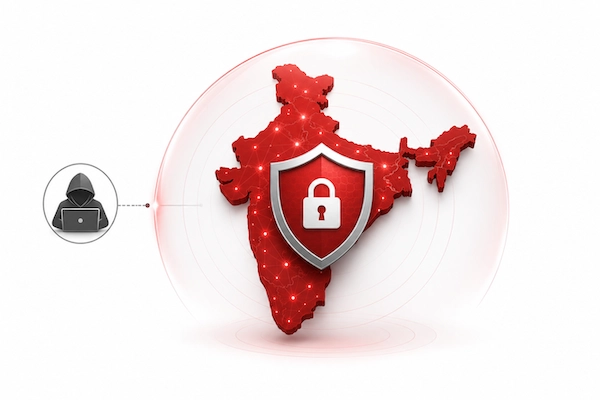
Threat data, analyst access, and incident records stay entirely in India

10+ live feeds enriching every detection

Audit-grade managed security service for India's most regulated sectors

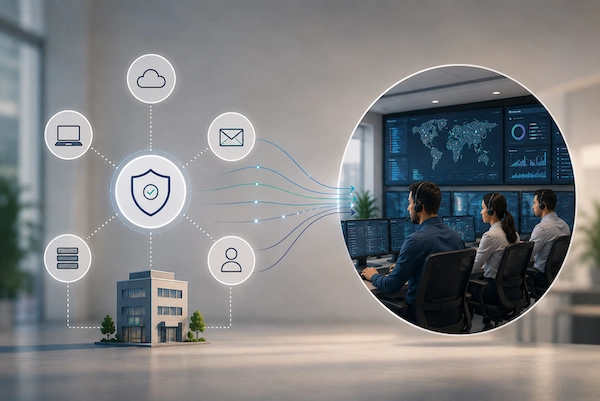
Airtel's SOC sees threats at the network layer before they reach your endpoints

Works with your existing EDR, SIEM, and security stack






Expertise in managing nationwide telco backbone with zero-day downtime

Intelligence from robust telco data & partner feeds

Single pane across network, data & workforce security

24x7, Autonomous detection to response
500+ experts compliant with top certifications
Strong Advisory practice and operating model
Airtel maintains zero business interruption in our environment through micro-segmentation


Built and tested across one of India’s largest and most attacked digital ecosystems

Proven, large-scale innovations reducing fraud and cyber risk across millions of users
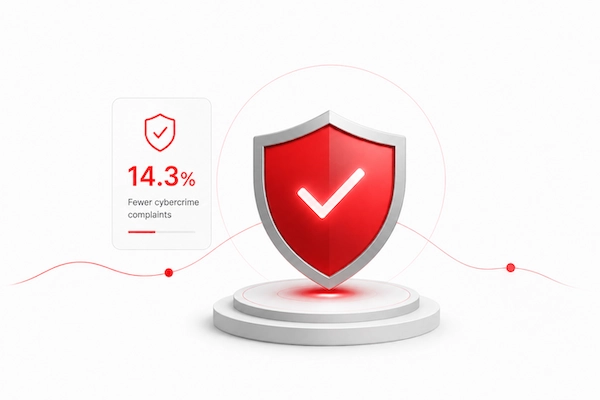
Large-scale fraud prevention initiatives delivering measurable impact for millions of users


Ensure business continuity and beat DDoS attacks in real time.
Learn More
Learn more about DDoS Security
Increased network security for assured business continuity.
Learn More
Learn more about Secure Internet
Comprehensive security coverage against all attack vectors.
Learn More
Learn more about WAAP

A SOC is a centralised facility where cybersecurity professionals monitor, detect, and respond to security threats 24/7. Think of it as your organisation’s digital war room. Security analysts use specialised tools like SIEM, SOAR, and threat intelligence platforms to watch over networks, servers, applications, and endpoints. They analyse thousands of events daily, investigating suspicious activities and blocking attacks before damage occurs. SOCs combine skilled people, proven processes, and advanced technology to defend against ransomware, data breaches, and other cyber threats.
SOCs prevent attacks through continuous monitoring and proactive threat hunting. Security teams stay updated on latest cybercrime trends and patch vulnerabilities before hackers exploit them. They maintain firewall policies, update security systems regularly, and use behavioural analysis to spot unusual network activities. By monitoring your infrastructure round-the-clock, SOCs detect malicious activities early—often within minutes. This early warning system, combined with automated threat containment and manual intervention when needed, stops attacks before they breach your defences and steal sensitive data.
Airtel Secure iSOC protects over 90,000 endpoints and analyses 8,000+ security events daily. With 80+ certified professionals monitoring your infrastructure 24/7, threats get neutralised quickly. The service includes SIEM, SOAR, UEBA, TIP, and NTA technologies from partners like Cisco and Palo Alto Networks. You’ll receive comprehensive compliance reports for HIPAA, GDPR, and PCI-DSS requirements. The pay-per-use pricing model reduces cybersecurity costs by 30-40% compared to building in-house capabilities. Airtel’s CERT-In empanelled status ensures government-recognised security standards.
SOCs detect zero-day attacks using behavioural analysis and threat intelligence gathering. Security tools monitor normal network patterns, then flag unusual activities that could indicate unknown exploits. ML-based systems correlate low-confidence alerts to produce high-confidence warnings about potential zero-day threats. Threat hunters actively search for suspicious behaviour patterns that automated tools might miss. By analysing threat intelligence from global sources and monitoring attacker techniques on similar infrastructure, SOCs identify attack patterns even when specific vulnerabilities remain unknown to security vendors.
SOC is an operational team and facility that monitors your entire security infrastructure. XDR (Extended Detection and Response) is a technology platform that provides detailed telemetry and automated responses across endpoints, networks, and cloud environments. Think of XDR as one of many tools SOC teams use. While XDR focuses on collecting and correlating security data, SOC encompasses people, processes, and multiple technologies including SIEM, SOAR, and threat intelligence platforms. SOCs may operate XDR alongside other security tools for comprehensive protection.
MDR (Managed Detection and Response) is an outsourced service focusing specifically on threat detection and incident response. SOC is broader—it can be internal, external, or hybrid, covering everything from vulnerability management to compliance reporting. MDR provides specialised expertise and advanced tools for monitoring and responding to threats. A full SOC service includes MDR capabilities plus additional functions like security policy management, risk assessment, and proactive threat hunting. Airtel Secure offers both MDR services and comprehensive SOC solutions depending on business needs.
Building a SOC requires three core components. First, skilled personnel: SOC managers, Tier 1 analysts for alert triage, Tier 2 responders for incident investigation, and Tier 3 threat hunters. Second, technology infrastructure: SIEM for log analysis, EDR for endpoint protection, firewalls, IPS systems, and SOAR platforms for automation. Third, documented processes covering incident response, continuous improvement, and integration of manual and automated activities. Physical space, 24/7 monitoring capabilities, threat intelligence feeds, and compliance frameworks complete the setup requirements.
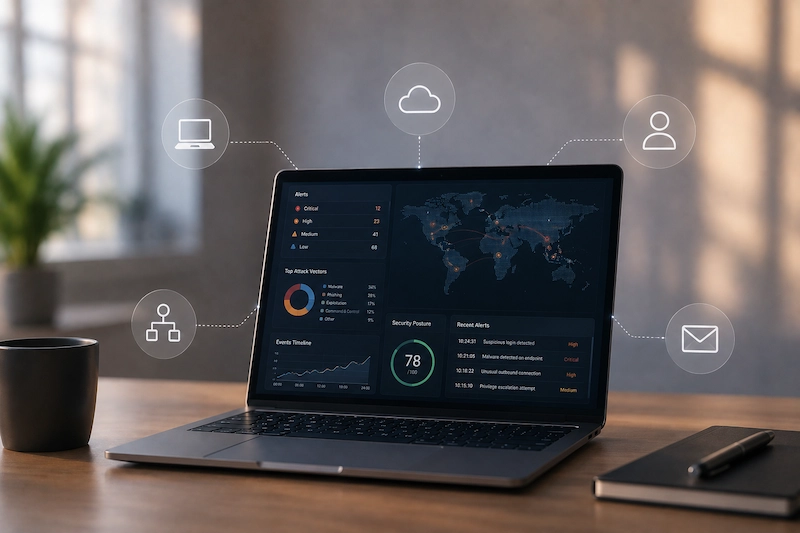
SOCs integrate diverse security tools to illuminate every corner of your digital infrastructure. Security teams deploy monitoring across devices, servers, virtual machines, and cloud environments. Centralised dashboards display security metrics, active threats, and compliance status. You’ll see detailed reports on attempted breaches, vulnerability scans, and remediation activities. The SOC maps your entire IT estate—from endpoints to applications—providing comprehensive visibility. Customised reporting shows security posture improvements, incident trends, and threat patterns specific to your industry, helping executives make informed security investment decisions.
Cyber attacks cost Indian businesses ₹ 17.6 crore on average per breach. SOCs reduce this risk significantly by ensuring business continuity through rapid threat response. They help meet regulatory requirements like GDPR and PCI-DSS, avoiding hefty compliance penalties. Continuous monitoring prevents costly downtime—critical when 60% of small businesses close within six months of a major cyber attack. SOCs provide detailed audit trails for investigations and insurance claims. The investment in proactive security measures costs far less than recovering from ransomware attacks or data breaches.
BFSI organisations use Airtel’s SOC for fraud detection and regulatory compliance, protecting millions of financial transactions daily. Healthcare providers ensure HIPAA compliance while safeguarding patient records. E-commerce platforms rely on PCI-DSS compliance features to secure payment data. IT/ITeS companies protect intellectual property and client infrastructure. Manufacturing firms secure OT/IT convergence points against industrial espionage. Government agencies trust Airtel’s CERT-In empanelled services for critical infrastructure protection. These sectors face stringent regulations and sophisticated threats, making 24/7 professional security monitoring essential for operations.
Airtel Secure iSOC maintains certifications including ISO27001, SOC1, and SOC2. The platform generates automated compliance reports for HIPAA, GDPR, PCI-DSS, NIST, and FINRA requirements. Security logs and audit trails remain encrypted and access-controlled. Role-based permissions ensure only authorised personnel view sensitive data. The CERT-In empanelled status confirms adherence to Indian government security standards. Airtel’s security professionals follow strict confidentiality protocols, with background checks and regular training. Data residency options keep information within Indian borders when required, meeting data localisation mandates for regulated industries.
Yes, managed SOCs integrate smoothly with existing security investments. Airtel’s iSOC platform connects with your current SIEM, firewalls, endpoint protection, and cloud security tools through APIs and standard protocols. The service supports fully managed, co-managed, or hybrid operational models based on your needs. Security teams work with your IT staff to map integration points and data flows. Whether you use Cisco, Palo Alto Networks, or other vendors, the SOC ingests logs and alerts without replacing functional systems, maximising previous security investments while adding 24/7 monitoring capabilities.
Standard SOC SLAs include 99.9% uptime for monitoring services and 15-minute response times for critical incidents. Airtel’s SLA-based implementation covers threat detection within 5 minutes and initial response within 15-30 minutes depending on severity. High-priority incidents receive immediate attention with dedicated resources. Monthly reports detail SLA performance, including mean time to detect (MTTD) and mean time to respond (MTTR). Service credits apply when response times exceed agreed thresholds. Customised SLAs accommodate specific industry requirements, with options for 5-minute response times for banking and critical infrastructure clients.
Airtel’s SOC handles ransomware attacks, data breaches, and advanced persistent threats (APTs). The service manages phishing campaigns, insider threats, and account compromise attempts. Teams respond to DDoS attacks, malware infections, and unauthorised access incidents. They investigate suspicious network traffic, unusual login patterns, and data exfiltration attempts. The SOC addresses compliance violations, vulnerability exploitations, and zero-day attacks. Incident types span from cryptocurrency mining on corporate resources to sophisticated nation-state attacks. Each incident receives categorised handling based on severity, with detailed forensics and remediation guidance provided for affected systems.
SIEM (Security Information and Event Management) is software that collects and analyses security logs. Managed SOC is a comprehensive service combining SIEM technology with human expertise and 24/7 operations. While SIEM generates alerts, SOC analysts investigate, validate, and respond to those alerts. Think of SIEM as the detection engine and managed SOC as the complete security operation. SOCs use SIEM alongside other tools like SOAR, EDR, and threat intelligence platforms. The managed service includes incident response, threat hunting, and compliance reporting beyond basic SIEM capabilities.
Building an internal SOC costs ₹ 2-5 crore annually for tools, staff, and training. SOC partners provide immediate access to certified security experts, eliminating recruitment challenges. You gain 24/7 coverage without managing shift schedules or employee turnover. Partners bring proven processes refined across multiple clients and industries. They maintain expensive security tools and threat intelligence feeds you’d struggle to afford independently. Scale operations instantly during attacks without hiring temporary staff. Focus on core business while security professionals handle threat monitoring, letting your IT team concentrate on strategic projects rather than chasing alerts.
Evaluate SOC partners based on certifications—look for ISO27001, SOC2, and CERT-In empanelment. Check their track record: endpoints protected, events analysed daily, and client references from your industry. Assess technology stack comprehensiveness including SIEM, SOAR, and EDR capabilities. Verify 24/7 availability with local language support and incident response times. Compare pricing models—per-device, per-event, or flat-fee options. Review integration capabilities with your existing infrastructure. Consider service flexibility: fully managed, co-managed, or hybrid models. Ask about compliance expertise for your specific regulations. Visit their SOC facility to evaluate processes and team expertise first-hand.
Airtel’s platform provides visibility across on-premises infrastructure and cloud workloads simultaneously. Cloud-native security tools from Netskope monitor SaaS applications, while traditional SIEM covers data centre assets. The SOC correlates events between AWS, Azure, private clouds, and physical servers to detect cross-environment attacks. API integrations pull security logs from cloud providers, analysing configuration changes and access patterns. Virtual appliances deployed in cloud environments feed data to centralised monitoring systems. Security analysts track data movement between cloud and on-premises systems, identifying unusual transfers that could indicate breaches or compliance violations.
Airtel’s SLA-based implementation typically completes within 4-6 weeks for standard deployments. Week one involves infrastructure assessment and integration planning. Weeks two-three cover sensor deployment and log source configuration. Week four focuses on baseline establishment and alert tuning. Final weeks include team training and runbook development. Simple environments with 100-500 endpoints can go live within 2-3 weeks. Complex multi-location enterprises with legacy systems may require 8-10 weeks. Airtel’s 80+ technical resources accelerate deployment through parallel workstreams. Phased approaches allow critical asset protection while completing full implementation.
The pay-per-use model eliminates large capital expenditures on security infrastructure. Businesses save ₹ 1-3 crore annually compared to building internal SOCs. Shared resources across multiple clients reduce per-company costs for expensive threat intelligence feeds and security tools. Automated threat containment reduces manual intervention needs, lowering operational expenses. Faster incident response prevents costly breaches—average savings of ₹ 4.35 crore per prevented incident. Compliance automation reduces audit preparation costs by 60%. The service scales with business growth, avoiding over-investment in security capacity. Consolidated security operations replace multiple point solutions, reducing licensing and management overhead.