Share
ShareConsumer vs Industrial IoT: Major Types of IoT Tech
-
 January 31, 2026
 -

 6 min read
From Consumer IoT to Industrial IoT: Understanding the Major Types of IoT Technologies
Smart thermostats control home temperatures, while industrial sensors monitor factory equipment; both represent different types of IoT serving distinct purposes. The gap between consumer and industrial applications extends beyond scale. It encompasses durability requirements, connectivity protocols, security standards, and deployment complexities that determine which solution fits specific business needs.



Consumer devices prioritise affordability and ease of use, while industrial systems require rugged hardware for 24/7 operation in harsh conditions. This article provides an overview of the four major types of IoT, including consumer, commercial, industrial, and infrastructure. It also compares technical specifications, connectivity requirements, security considerations, and practical applications across each category.
Consumer IoT: Personal Convenience Through Connected Devices
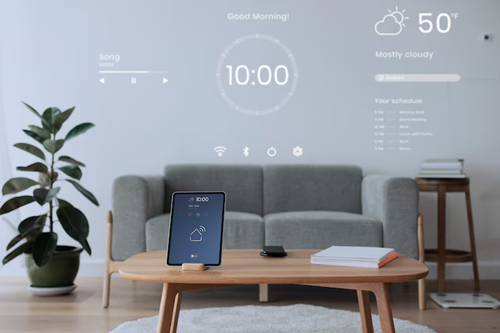
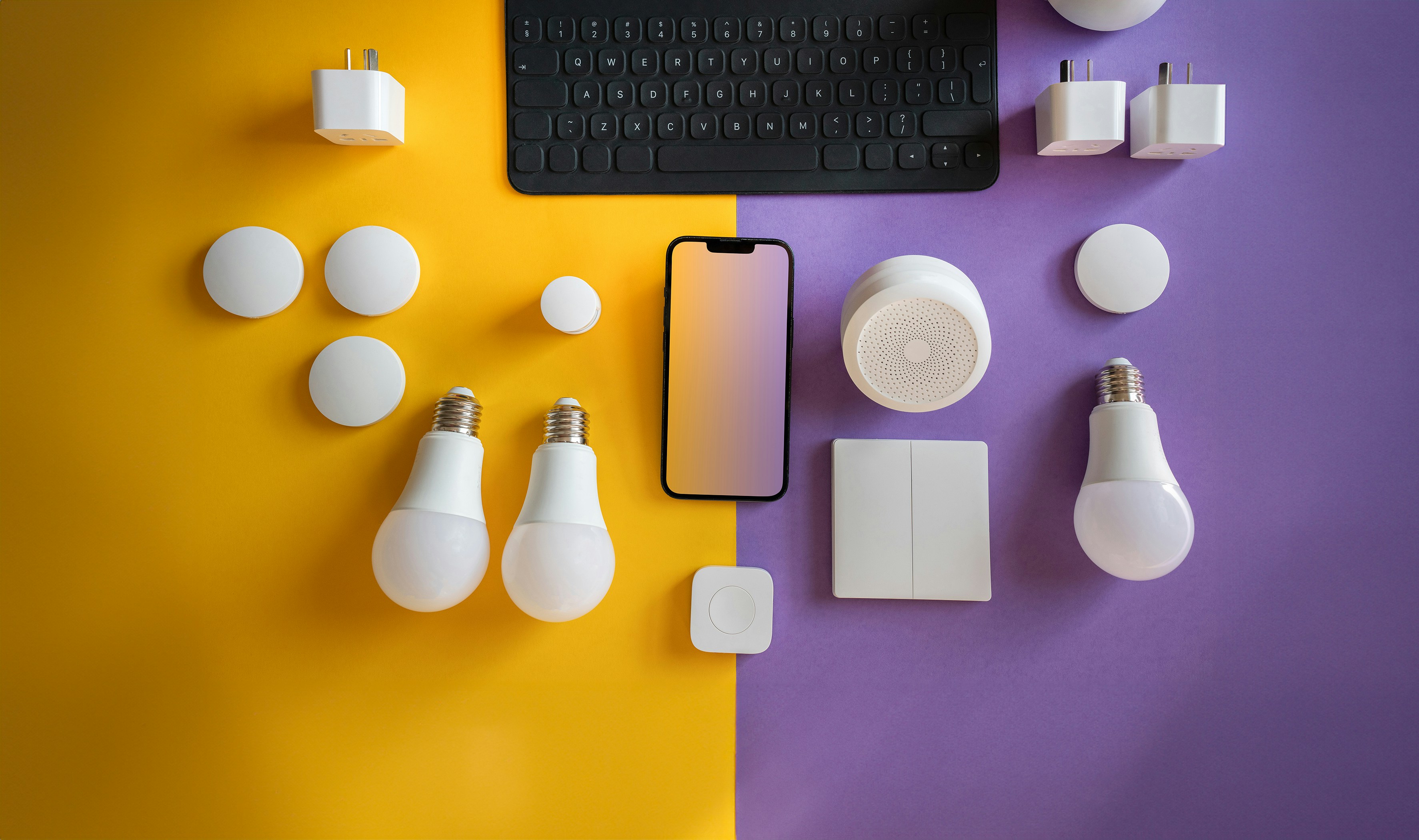
Consumer IoT comprises IoT devices for home and personal use. These include smart speakers, thermostats, security cameras, smart bulbs, and wearable fitness trackers. The technology relies on standard WiFi and Bluetooth connections for local control through smartphone apps. These devices use cloud processing for basic functions such as voice recognition and scheduling. Power consumption stays minimal through sleep modes and battery optimisation.
Consumer IoT serves individual households with convenience features, such as:
-
Smart thermostats help lower energy costs by optimising temperature settings through automated control.
-
Voice assistants manage multiple devices from a central hub.
-
Robot vacuums clean floors autonomously while owners work.
These applications focus on lifestyle improvement rather than business operations.
Industrial IoT: Enterprise-Grade Systems for Manufacturing
Industrial IoT (IIoT) powers factories, refineries, and production facilities through robust sensor networks. Unlike consumer types of IoT, IIoT systems prioritise reliability and continuous operation over cost savings.
Core Industrial Applications
IIoT deployments focus on:
-
Predictive Maintenance: Sensors monitor vibration, temperature, and pressure in machinery
-
Process Automation: PLCs (Programmable Logic Controllers) manage production lines
-
Asset Tracking: GSM-based systems monitor equipment location and status
-
Quality Control: Vision systems detect defects during manufacturing
A typical automotive factory operates with thousands of sensors that generate large volumes of data each day. These systems must function reliably across a wide temperature range and withstand dust, moisture, and electromagnetic interference.
Connectivity and Infrastructure Requirements
Industrial types of IoT demand specialised connectivity solutions:
-
Edge Computing: It is widely used to process data locally at gateways, reducing latency.
-
Industrial SIMs: They support multi-network connectivity, unlike consumer SIMs, which enhances reliability and ensures broader regional coverage.
-
Protocol Diversity: IIoT supports Modbus, OPC-UA, and MQTT protocols for legacy equipment integration.
Commercial IoT: Bridging Consumer and Industrial Applications
Commercial IoT serves businesses like retail stores, hotels, and offices. These types of IoT balance consumer simplicity with enterprise scalability.
Smart Building Management
Commercial deployments include:
|
Application |
Function |
Scale |
Benefits |
|---|---|---|---|
|
Energy Monitoring |
Track power consumption |
100-1,000 devices |
Energy savings |
|
HVAC Control |
Automate heating/cooling |
Building-wide |
Improved comfort |
|
Occupancy Sensing |
Monitor space usage |
Per floor/zone |
Space optimisation |
|
Access Control |
Manage entry points |
10-100 doors |
Enhanced security |
The Verdigris Einstein system exemplifies commercial IoT, analysing electrical “fingerprints” to identify equipment issues before failures occur. Such systems manage thousands of sensors across multiple locations, unlike single-unit IoT devices for the home.
Network Architecture Differences
Commercial IoT deployments use hierarchical management architectures, where a central platform oversees multiple gateways that manage groups of connected endpoints. This differs from consumer IoT, which often relies on simpler, flat architectures with devices connecting directly to cloud services.
4G-LTE provides primary connectivity for commercial types of IoT, offering better coverage than WiFi across large buildings. Backup connections through wired Ethernet ensure 99.9% availability for critical systems such as fire alarms and security cameras.
Infrastructure IoT: Public Services and Utilities
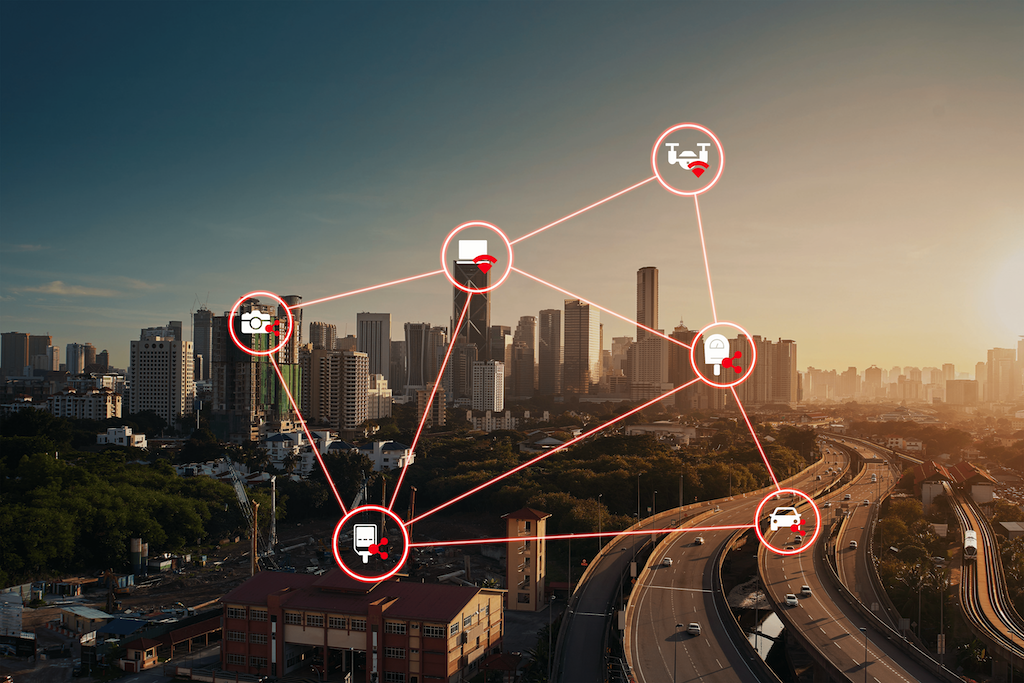
Infrastructure IoT manages public services at the city scale. These types of IoT support traffic management, waste collection, street lighting, and utility grids.
Smart Metering Revolution
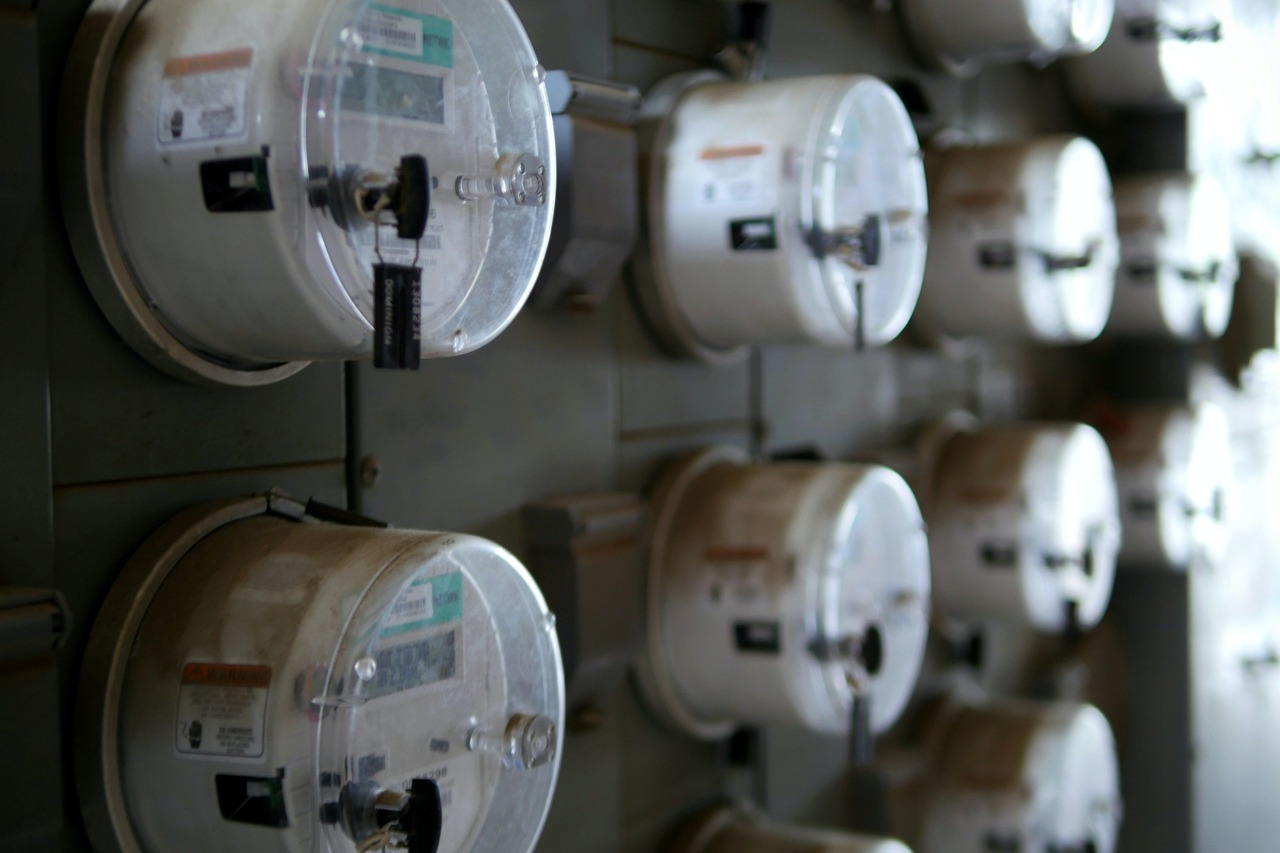
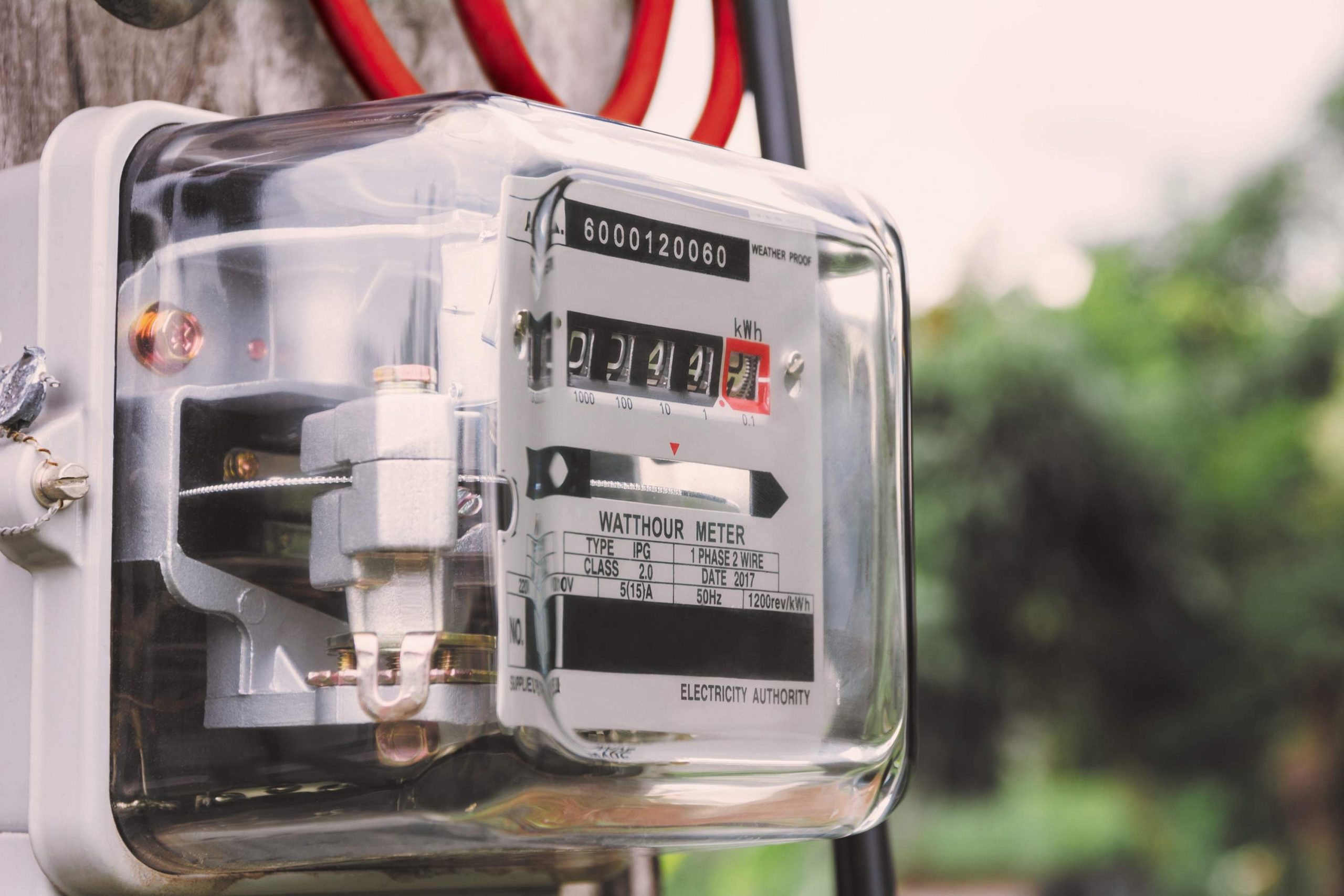
Smart meters differ significantly from basic IoT devices for the home:
-
Advanced Metering Infrastructure (AMI): Includes Head-End Systems (HES) for data collection and Meter Data Management (MDM) platforms for billing integration.
-
Prepaid Functionality: Consumers load credit before usage, enabling DISCOMs to enhance cash flow and reduce payment defaults.
-
Theft Detection: Smart meters identify bypass attempts and unusual consumption patterns, supporting efficiency gains for DISCOMs.
Environmental Monitoring Systems
Cities deploy networks of environmental sensors measuring:
-
Air quality (PM2.5, PM10, NOx levels)
-
Noise pollution (decibel monitoring)
-
Water quality (pH, dissolved oxygen)
-
Weather conditions (temperature, humidity, rainfall)
Delhi’s 39 continuous monitoring stations track air quality every 15 minutes. Data feeds public displays and mobile apps, helping citizens make informed decisions about outdoor activities.
Choosing the Right IoT Technology for Your Business
Selecting appropriate IoT devices for home versus industrial applications requires careful evaluation.
-
Environmental Conditions: Office environments suit consumer-grade devices. Factory floors need industrial specifications. Outdoor installations require weatherproof enclosures.
-
Budget Constraint: The initial consumer devices cost less but may require frequent replacement. Industrial hardware costs more upfront but lasts for years in harsh conditions. Calculate total ownership costs, including maintenance and downtime risks.
-
Scale Requirements: Consumer solutions handle dozens of devices adequately. Industrial platforms manage thousands of endpoints efficiently, while commercial systems scale between these extremes. Choose architectures supporting anticipated growth without complete overhauls.
-
Technical Expertise Considerations: Consumer IoT requires minimal technical knowledge. Industrial deployments need specialised skills for configuration and maintenance. Commercial solutions fall between these complexity levels. Factor training costs into deployment budgets.
-
Security and Compliance Factors: Industrial deployments require enhanced cybersecurity protocols. A breach in consumer IoT devices for the home might compromise personal data. Industrial breaches can halt production, costing millions in downtime. Regulatory compliance varies by sector. Healthcare IoT must meet HIPAA standards. Financial services require PCI-DSS compliance. Manufacturing follows ISO 27001 guidelines.
Final Insights
The IoT landscape spans consumer, commercial, industrial, and infrastructure solutions, each addressing specific needs. Consumer IoT brings convenience and affordability for personal use, while industrial IoT ensures reliable, mission-critical monitoring and control. Commercial and infrastructure IoT provide scalable solutions for businesses and public services.
Selecting the right system requires matching technology to environment, security, scalability, and budget. Explore Airtel IoT for enterprise-grade, scalable connectivity and device management solutions.