Share
ShareTop Real-World Internet of Things Use Cases in 2026
-
 January 31, 2026
 -

 5 min read

Top Real-World Uses of the Internet of Things Transforming Businesses in 2026
Enterprise adoption of the Internet of Things continues to grow steadily. Organisations seek better visibility, control, and operational resilience. Tens of billions of connected devices support business operations globally. Internet of Things sensors sit at the centre of this growth. They capture real-time data from assets, environments, and processes, which enables faster and more informed decision-making.



In 2026, the Internet of Things use prioritises outcomes over experimentation. Senior leaders evaluate deployments based on scalability, reliability, and financial impact. This article reviews proven Internet of Things use cases and also focuses on value creation across major industries.
Manufacturing: Predictive Maintenance and Process Optimisation
Manufacturing organisations increasingly rely on data-driven operations. Internet of Things use helps plant leaders reduce downtime, improve throughput, and extend asset life. Internet of Things sensors monitor vibration, temperature, pressure, and machine performance. Such continuous monitoring helps to detect abnormal operating conditions early.
Based on this data, maintenance teams schedule interventions during planned production pauses, improving equipment availability. Sensor data integrated with analytics and production systems allows engineers to test process changes before physical implementation, reducing operational risk.
Common manufacturing applications include:
-
Vibration monitoring for rotating machinery
-
Temperature tracking in furnaces and ovens
-
Pressure sensing in hydraulic systems
-
Flow monitoring in chemical processes
-
Proximity sensing for assembly coordination
These deployments lower maintenance costs and improve product consistency and energy efficiency. At an enterprise level, predictive maintenance supports long-term capital planning, and asset performance trends help leaders prioritise replacements and upgrades.
Healthcare: Remote Monitoring and Asset Management
Healthcare Internet of Things use extends care beyond hospital walls. Wearable and home devices track vital health parameters and transmit data to clinicians. This enables remote trend monitoring and earlier intervention without frequent hospital visits.
Hospitals also deploy Internet of Things sensors to improve asset visibility. Real-time location systems track equipment and beds, while maintenance alerts reduce service disruptions. Advanced applications integrate sensor data with visualisation and simulation tools for training and procedures. Operationally, this improves utilisation rates and reduces equipment idle time and procurement pressure.
Logistics and Supply Chains: Operational Visibility
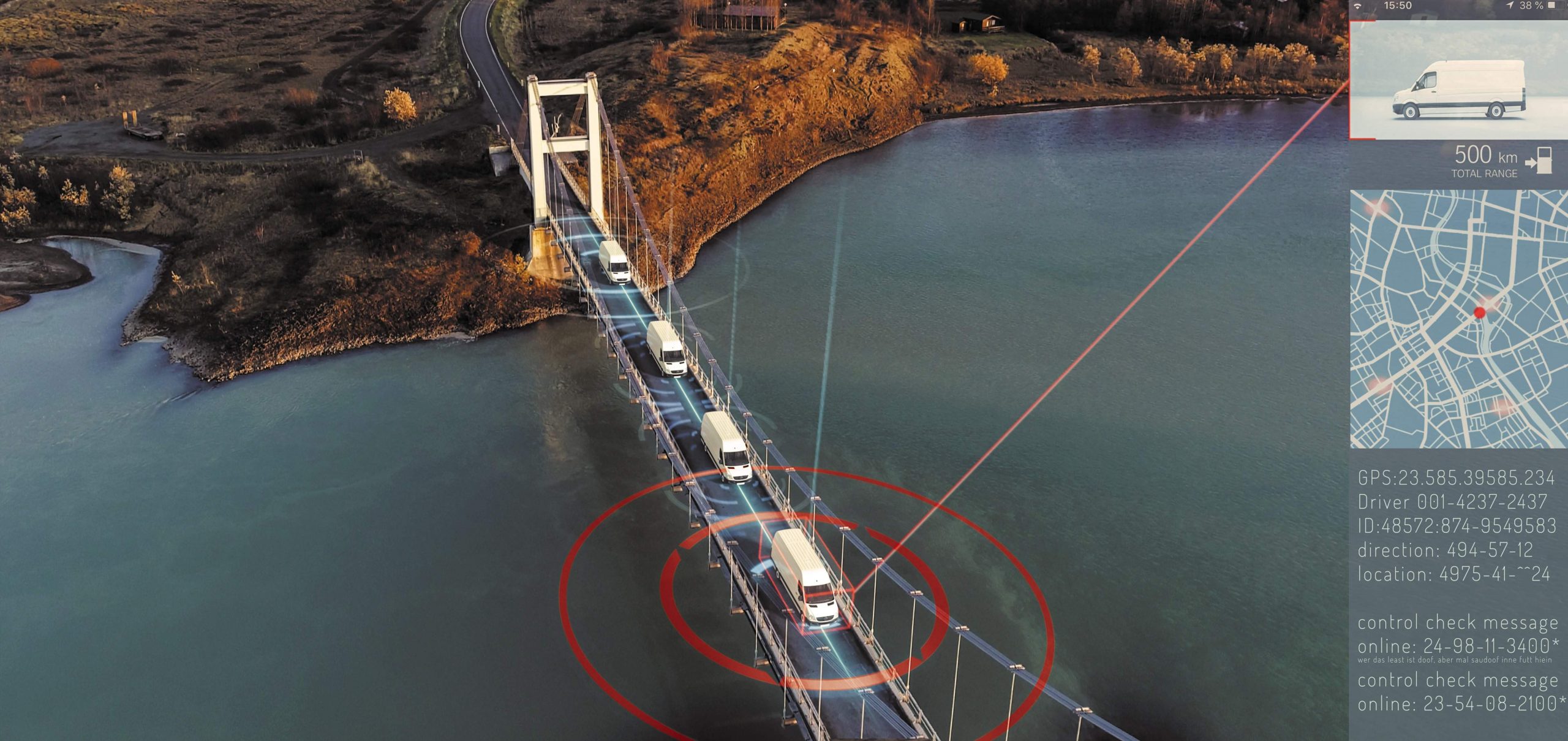
Logistics relies heavily on Internet of Things use. Cellular-connected trackers provide continuous shipment visibility. Internet of Things sensors monitor location and environmental conditions. Cold-chain compliance improves for pharmaceuticals and perishables.
Warehouses benefit from automated inventory visibility. RFID systems reduce manual counting requirements. Material-handling equipment uses sensor data for efficient routing. Fleet management platforms extend visibility to vehicles, capturing location, fuel usage, and driving behaviour.
Supply chain leaders also use analytics for exception management. Alerts flag delays, temperature breaches, or route deviations. Key logistics applications include:
-
Shipment location tracking
-
Temperature and humidity monitoring
-
Warehouse inventory automation
-
Route optimisation and fleet analytics
Smart Metering and Utilities: Network Transparency
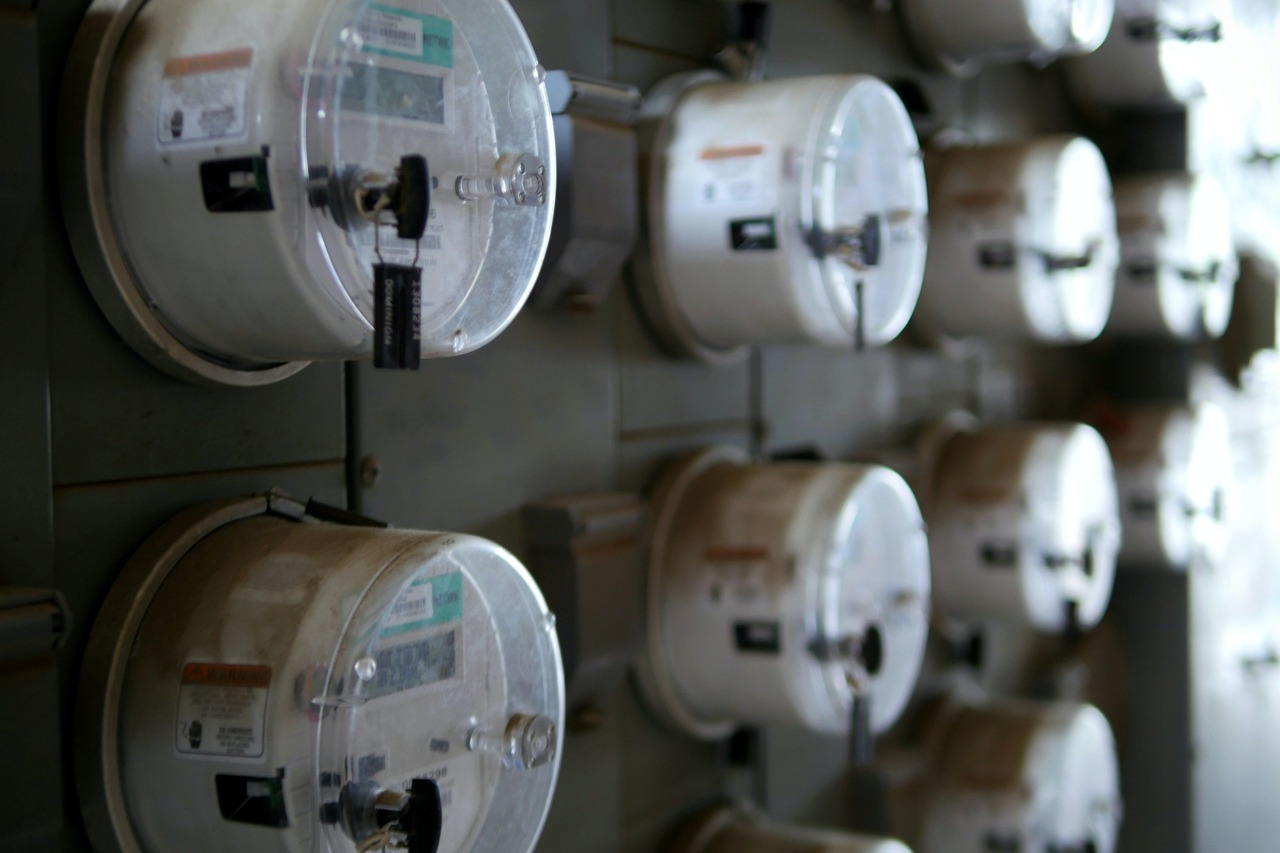
Utilities represent large-scale Internet of Things use. Smart meters deliver accurate, timely consumption data while enabling prepaid billing and remote service management. This improves operational control for utilities and provides consumers with clear visibility into energy usage.
For utilities, Internet of Things sensors strengthen network monitoring by enabling anomaly detection for loss identification and demand analysis. Data flows through head-end systems and meter data platforms over secure communication networks, ensuring reliable operations. For leadership teams, smart metering also supports regulatory compliance while improving forecasting and demand planning capabilities.
Agriculture: Precision Farming Optimises Resources
Agriculture increasingly adopts the Internet of Things to support precision farming and livestock management. Soil moisture sensors guide irrigation decisions, while weather monitoring improves planning accuracy. Crop imaging helps detect issues early, reducing yield risks.
Low-power connectivity enables wide-area sensor deployment across farmlands. Long device lifecycles reduce maintenance effort. In livestock operations, wearable sensors track location, activity, and health indicators, supporting better herd management decisions.
Farm managers use aggregated data to reduce losses. Early alerts improve animal welfare and productivity. Agricultural Internet of Things use supports:
-
Efficient water management
-
Data-driven crop monitoring
-
Improved herd management practices
As Internet of Things adoption matures, enterprises extend these capabilities beyond core operations into customer-facing and civic environments.
Retail and Smart Cities: Operational Intelligence
Retailers deploy Internet of Things sensors to automate inventory management. Stock levels and storage conditions update continuously. Footfall counters support staffing and layout decisions, while environmental sensors protect product quality.
Retail Internet of Things use also strengthens loss prevention. Sensor-driven insights reduce shrinkage and improve stock accuracy. At a broader level, smart cities integrate multiple Internet of Things systems to manage traffic, parking, waste, and lighting more efficiently.
Typical smart city applications include:
-
Traffic signal optimisation
-
Smart parking guidance
-
Waste collection alerts
-
Adaptive street lighting
-
Air quality monitoring
Energy Management and Electric Mobility
Commercial buildings use Internet of Things sensors to optimise energy consumption. HVAC and lighting systems adjust automatically based on occupancy data. This reduces unnecessary energy usage and gives facility managers stronger operational control.
Electric vehicle charging infrastructure also depends on IoT connectivity. Charging stations share availability and usage data with grid operators. This supports load balancing and improves user visibility. For enterprises, energy intelligence supports sustainability goals while enabling accurate, data-backed compliance reporting.
Strategic Implications
Internet of Things use continues to expand across industries, driven by practical applications rather than experimentation. Internet of Things sensors provide the data foundation required for predictive maintenance, operational visibility, and resource optimisation.
Successful adoption depends on aligning use cases with specific business priorities and selecting connectivity solutions that deliver coverage, security, scalability, and integration flexibility. For enterprises, Airtel IoT supports large-scale deployments across sectors, enabling organisations to operationalise IoT initiatives with confidence.