Share
ShareIoT Device Management Platforms for Cost Savings & Efficiency
-
 January 31, 2026
 -

 6 min read
How IoT Device Management Platforms Reduce Costs and Improve Operational Efficiency
As IoT deployments scale, managing provisioning, monitoring, security, and maintenance becomes more complex. Manual processes increase operational costs and create performance inconsistencies across distributed device environments. IoT device management platforms address these issues through centralised lifecycle control and automation.



This article examines cost-reduction mechanisms enabled by these platforms. It also quantifies operational efficiency gains using measurable metrics and outlines practical implementation strategies for effective IoT device management.
What Makes an IoT Device Management Platform Essential for Modern Business
An IoT device management platform acts as a central control system for large fleets of connected devices across multiple locations. It enables organisations to register, monitor, update, secure, and decommission devices through a single interface, reducing administrative overhead and operational risk.
The core components include:
|
Component |
Function |
Business Impact |
|---|---|---|
|
Device Registry |
Catalogues all connected devices |
Prevents ghost devices and billing errors |
|
Job Orchestration |
Executes bulk updates and configurations |
Reduces manual effort and deployment time |
|
Rules Engine |
Automates responses to device events |
Improves response speed and consistency |
|
Shadow Service |
Maintains device state information |
Ensures continuity during connectivity gaps |
|
Security Layer |
Manages authentication and encryption |
Protects data and device integrity |
How Predictive Maintenance Cuts Costs Through Smart Device Integration
Predictive maintenance represents one of the most significant cost-saving mechanisms for businesses using IoT smart devices. Instead of waiting for equipment failure or following rigid maintenance schedules, sensors continuously monitor operating conditions. They track vibration patterns, temperature fluctuations, and performance metrics to forecast potential issues weeks in advance.
Implementation Requirements
Setting up predictive maintenance through an IoT device management platform requires:
-
Vibration sensors on rotating equipment
-
Temperature monitors for electrical systems
-
Pressure gauges for hydraulic machinery
-
Gateway devices for data collection
-
Cloud connectivity for processing
Many industrial sensors are cost-effective at scale, particularly GSM-based devices that offer reliable monitoring with lower hardware and connectivity costs. Battery life varies by use case, requiring planning during deployment.
Real-Time Monitoring and Automated Orchestration Drive Efficiency Gains
IoT device management platforms convert device data into actionable insights and automated actions. These efficiency gains primarily come from fleet-wide visibility and remote management capabilities.
Fleet-Wide Visibility Benefits
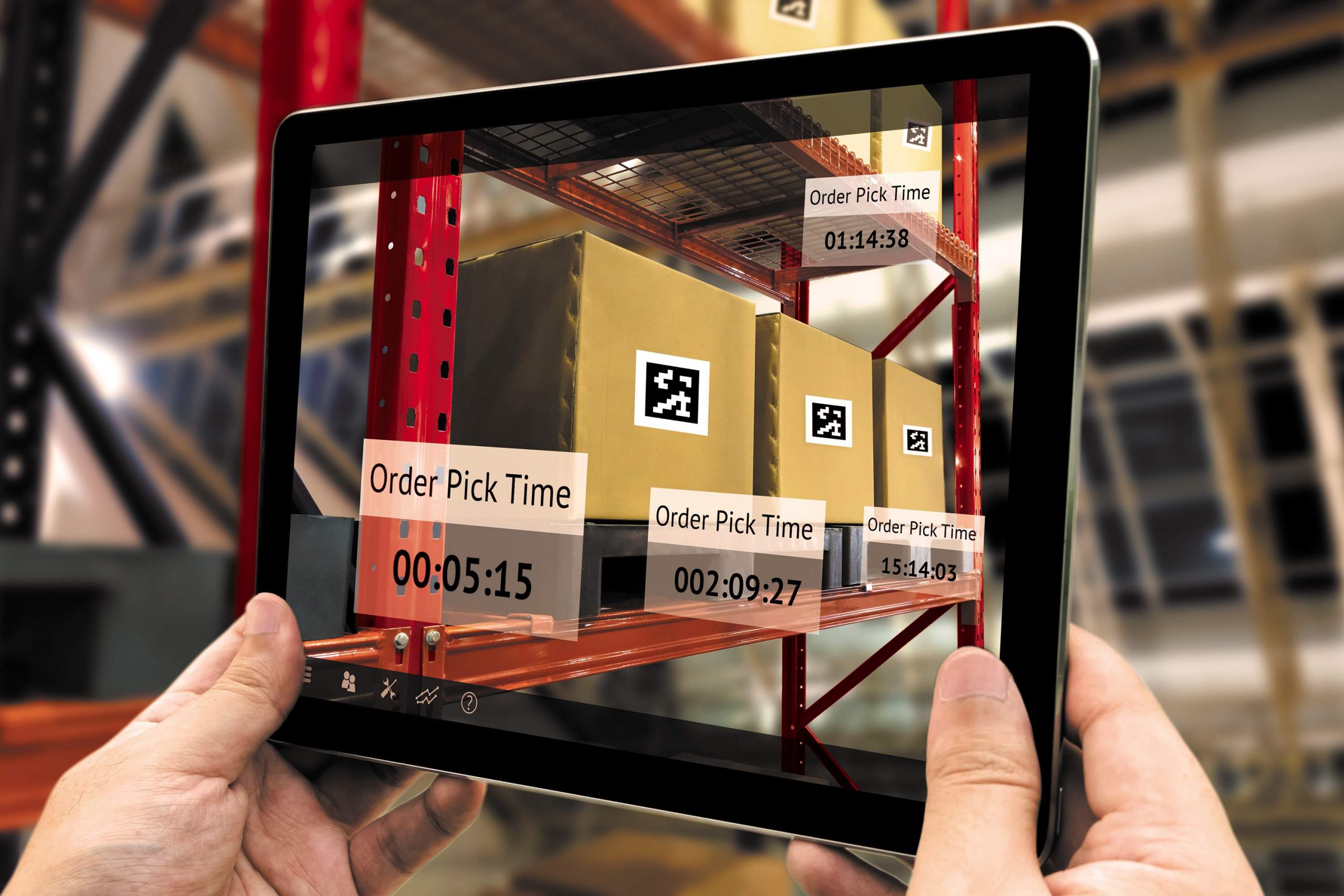
In manufacturing environments, connected devices provide continuous insight into production performance and equipment health. In retail operations, visibility supports operational optimisation across multiple touchpoints:
-
Shelf sensors track inventory levels
-
Temperature monitors protect perishables
-
Door counters measure foot traffic
-
POS systems report transaction volumes
When connected to a device management platform, these data streams enable automated actions such as inventory replenishment and threshold-based alerts. This improves responsiveness and reduces operational delays.
Remote Management Capabilities
Remote management eliminates the need for physical site visits for routine device tasks. Over-the-air updates and bulk operations allow administrators to manage thousands of devices simultaneously. Key remote functions include:
-
Firmware updates without site visits
-
Configuration changes across device fleets
-
Diagnostic data collection
-
Performance threshold adjustments
-
Security patch deployment
These capabilities significantly reduce maintenance costs and improve system reliability.
Energy Optimisation and Resource Management Through Connected Devices
Energy costs represent a significant portion of operational expenses for many businesses. IoT smart devices enable continuous monitoring of energy consumption patterns and help identify inefficiencies that manual audits often overlook.
When integrated with systems such as HVAC and lighting, these devices support more efficient energy management and measurable reductions in energy waste.
Smart Metering Applications
Prepaid smart meters help businesses budget electricity consumption while detecting energy theft. These meters connect to an IoT device management platform that tracks usage patterns, identifies anomalies, and manages billing automatically.
Key components include:
-
Head-End Systems (HES) for data collection
-
Meter Data Management (MDM) for processing
-
Advanced Metering Infrastructure (AMI) for connectivity
Utilities adopting smart metering solutions commonly report improvements in billing accuracy and reductions in technical and commercial losses.
Supply Chain Optimisation
IoT device management platforms transform supply chain operations through enhanced visibility. Temperature sensors in cold chains prevent spoilage. Weight sensors in trucks optimise loading. Location trackers ensure timely deliveries.
Centralised device management ensures consistent data quality and enables automated alerts when thresholds are breached, reducing losses and improving service levels.
IoT Development Management Platform Selection and Deployment Strategy
Selecting the right platform requires aligning technical capabilities with business objectives. Organisations should assess current device volumes and future growth projections, as platforms vary in scalability. Key considerations include:
-
Supported connectivity types and protocols
-
Real-time versus batch data requirements
-
Edge processing capabilities
-
Security standards and compliance certifications
Security is particularly critical in regulated sectors such as healthcare and financial services. Enterprise-grade platforms offered by major cloud providers support advanced encryption, authentication, and compliance requirements.
Implementation Roadmap
To translate platform capabilities into measurable outcomes, organisations need a structured implementation approach that minimises risk and controls costs.
|
Phase |
Duration |
Key Activities |
|---|---|---|
|
Planning |
4-6 weeks |
Requirements gathering, platform selection, and architecture design |
|
Pilot |
8-12 weeks |
Small-scale deployment, testing, and refinement |
|
Rollout |
16-24 weeks |
Phased deployment, training, and monitoring |
|
Optimisation |
Ongoing |
Performance tuning, feature expansion, scaling |
Starting with a pilot deployment of 50–100 devices allows teams to validate assumptions, measure savings, and refine processes before scaling.
Organisations should also budget for ongoing costs such as connectivity, data storage, and system integration. Managed connectivity and platform services can simplify operations and improve cost predictability.
Connectivity Options
Choosing connectivity affects both cost and reliability. Options include:
-
2G/4G/5G cellular (widest coverage)
-
NB-IoT (low power, deep penetration)
-
Wi-Fi (cost-effective for fixed locations)
-
LoRaWAN (long range, low bandwidth)
For many Indian deployments, GSM-based cellular connectivity offers an effective balance of coverage, reliability, and cost, supporting both urban and remote operations.
Business Impact Summary
IoT device management platforms are central to achieving cost efficiency and operational control in large-scale IoT deployments. Through predictive maintenance, real-time monitoring, remote management, and automated orchestration, they help reduce downtime, optimise resources, and maintain consistent device performance.
Successful implementations begin with focused pilot projects, clearly defined metrics, and scalable platform choices. When combined with reliable connectivity and enterprise-grade security, IoT device management platforms form a strong foundation for long-term operational efficiency. Airtel IoT offers nationwide connectivity, IoTHub-based device management, and enterprise billing to support large-scale IoT deployments across industries.