Share
Share6 Ways Sustainable IoT Energy Management Solutions are Transforming Industries
-
 August 21, 2025
 -

 6 min read
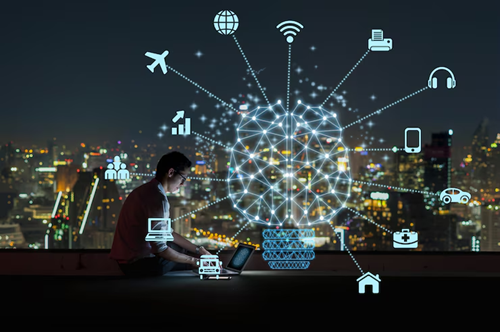
The Internet of Things (IoT) is ushering in a new era of sustainable energy management, enabling businesses to dramatically reduce their environmental footprint while boosting operational efficiency. By deploying interconnected sensors, smart devices, and analytics platforms, IoT-driven systems provide unprecedented visibility and control over energy consumption, asset performance, and resource utilisation. This granular, real-time data empowers organisations to identify inefficiencies, optimise processes, and seamlessly integrate renewable energy sources—paving the way for a greener, more sustainable future.
In this article, we’ll explore six key mechanisms through which IoT-enabled energy management systems are transforming industries and driving sustainability at scale. We’ll also look at real-world case studies and best practices for successful IoT adoption in the energy domain.



The IoT-Enabled Energy Management Ecosystem
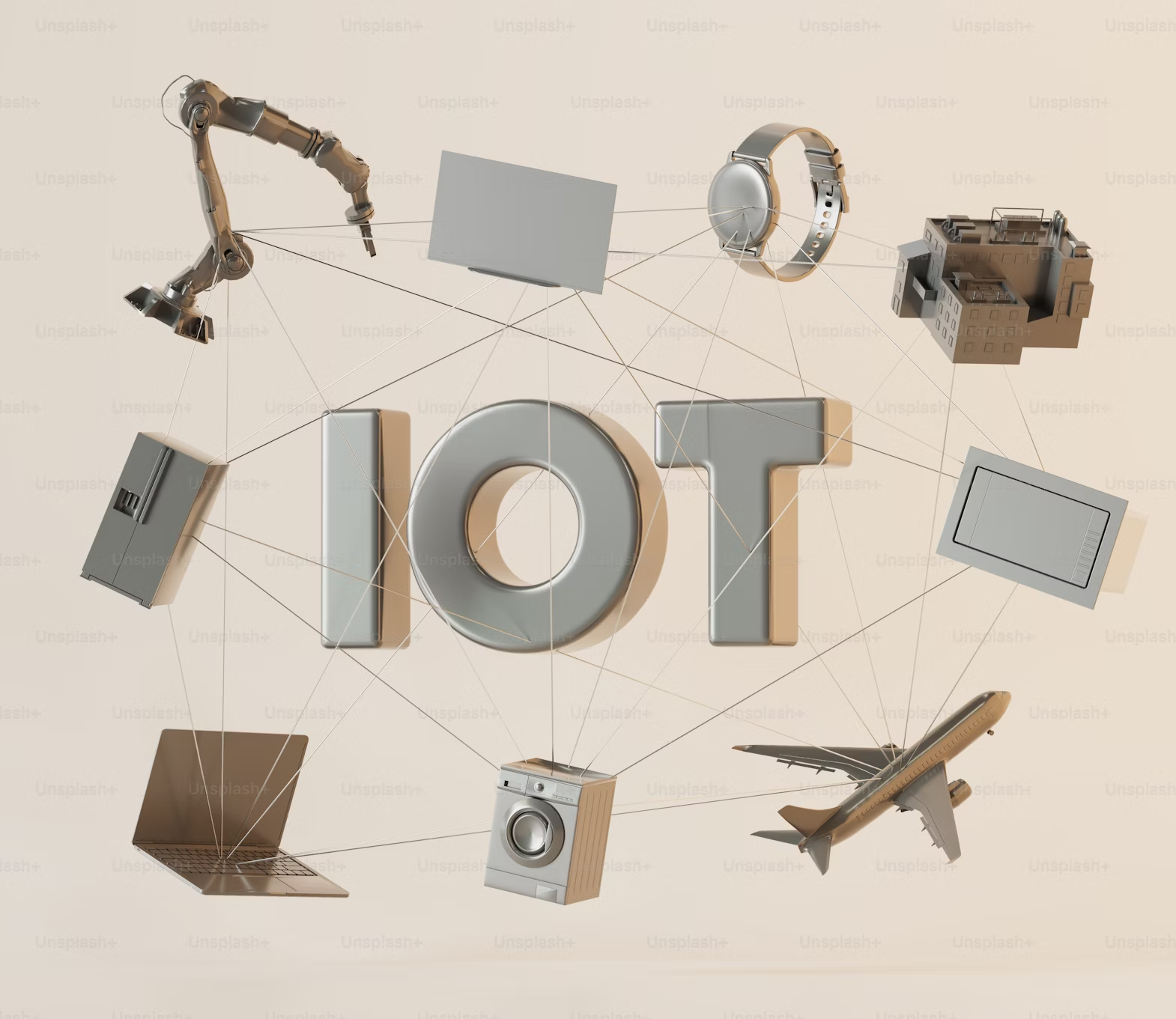
At the heart of sustainable IoT energy management lies a complex ecosystem of interconnected devices, sensors, and software platforms. This ecosystem typically includes:
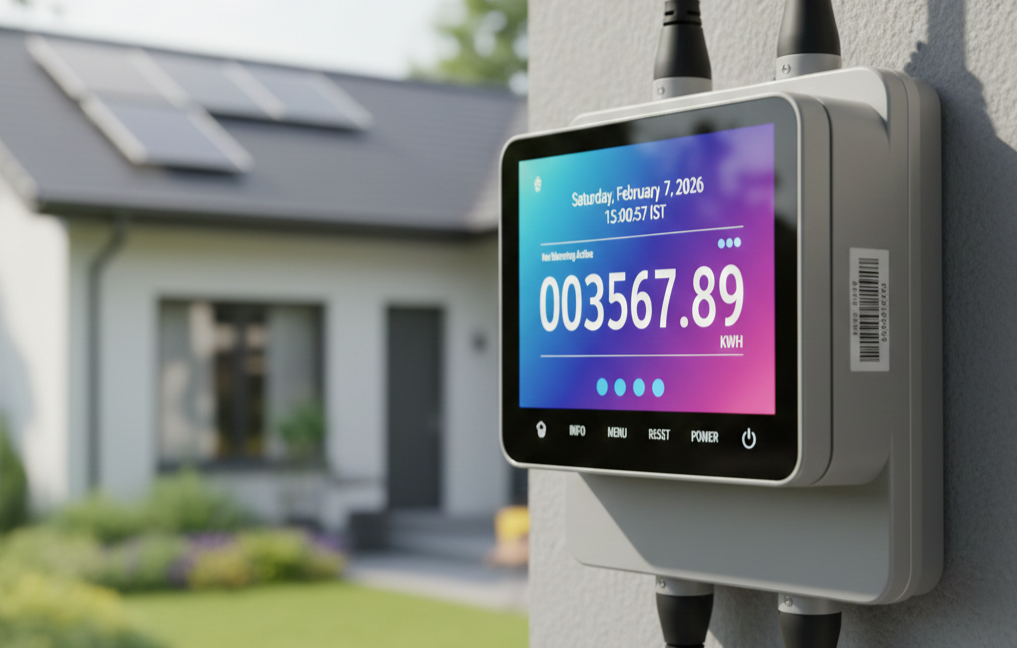
- Smart Meters: Advanced metering devices that provide granular, real-time data on energy consumption across facilities and equipment.
- Sensors: Occupancy sensors, temperature sensors, and other IoT devices that collect data on environmental conditions and asset performance.
- Connectivity Infrastructure: Wireless networks (e.g., Wi-Fi, cellular, LPWAN) that enable seamless data transmission between devices and cloud platforms.
- Analytics Platforms: Software solutions that process and analyse the vast amounts of data generated by IoT devices, providing actionable insights for optimisation.
Together, these components form a powerful smart energy management system that enables organisations to gain unprecedented visibility into their energy usage patterns, identify inefficiencies, and implement targeted measures to reduce waste and improve sustainability.
Real-Time Monitoring and Data-Driven Insights
One of the most powerful aspects of sustainable IoT energy management is the ability to continuously monitor energy consumption patterns across facilities, equipment, and processes. Smart meters, occupancy sensors, and connected machinery provide granular, real-time data on electricity, water, and gas usage. This visibility allows organisations to:
- Instantly identify energy leaks, anomalies, or inefficiencies
- Benchmark performance across sites or assets
- Optimise operations based on actual usage rather than estimates
- Track and verify sustainability metrics such as carbon emissions and resource utilisation
For instance, a global manufacturing company deployed IoT sensors across its production lines, gaining real-time insights into the energy consumption of each machine. By analysing this data, they identified opportunities to adjust equipment settings and production schedules, resulting in a 15% reduction in energy costs without impacting output.
Predictive Maintenance for Efficient Asset Management
IoT platforms continuously collect data from connected equipment, analysing operational parameters to predict when maintenance is needed before failures occur. This predictive approach:
- Minimises unplanned downtime and energy waste caused by malfunctioning or inefficient equipment
- Extends asset lifespan, reducing the need for resource-intensive replacements
- Focuses maintenance efforts where they are most needed, cutting costs
A leading retail chain implemented IoT-based predictive maintenance for its HVAC systems across 500+ stores. By proactively servicing equipment based on real-time performance data, they reduced energy consumption by 12% and maintenance costs by 20%.
Automation and Smart Controls for Optimised Operations
IoT-enabled energy management systems support the automation of energy-intensive processes, such as:
- Adjusting HVAC and lighting based on real-time occupancy, weather, and usage patterns
- Automatically powering down idle equipment or optimising setpoints for maximum efficiency
- Integrating with building management systems for holistic control of energy flows
A large university campus deployed IoT sensors and automated controls across its facilities, dynamically adjusting lighting, temperature, and ventilation based on actual occupancy. This initiative cut energy bills by 25% while improving comfort for students and staff.
Resource Optimisation and Waste Reduction
Beyond energy efficiency, sustainable IoT energy management solutions enable the conservation of other critical resources. For example:
- Smart irrigation systems in agriculture apply water only when and where it’s needed, based on soil moisture and weather data
- IoT-optimised logistics streamline delivery routes and schedules, reducing fuel consumption and emissions
- Connected industrial equipment monitors processes to minimise raw material waste
A prominent food processing company leveraged IoT to optimise its water usage, installing smart meters and sensors throughout its facilities. By identifying leaks, adjusting cleaning cycles, and recycling wastewater, they reduced water consumption by 30%.
Seamless Integration of Renewable Energy
IoT plays a vital role in the integration of renewable sources like solar and wind into the energy mix. IoT-enabled energy management systems enable:
- Real-time tracking and forecasting of variable renewable output
- Automated balancing of supply and demand, using energy storage or flexible loads
- Reduced reliance on fossil fuels and support for decarbonisation strategies
A leading data centre provider integrated IoT controls with on-site solar and battery storage systems. By dynamically matching IT workloads with renewable energy availability, they achieved a 50% reduction in grid electricity consumption.
Regulatory Compliance and Sustainability Reporting
Detailed, automated data collection through IoT-enabled energy management simplifies compliance with evolving regulations and sustainability frameworks. IoT systems:
- Provide auditable records of energy usage and emissions
- Facilitate transparent reporting to stakeholders, auditors, and regulators
- Help organisations avoid penalties and align with international standards
A global financial institution deployed IoT sensors and software across its offices to automate the tracking and reporting of energy consumption and carbon emissions. This streamlined compliance with internal and external sustainability targets while enhancing the firm’s reputation for environmental responsibility.
By harnessing the power of sustainable IoT energy management, businesses across sectors are achieving remarkable results:
- 10-30% reductions in energy consumption through IoT-enabled building controls and industrial automation
- 20-40% decreases in carbon emissions by optimising processes and integrating renewables
- 25%+ improvements in asset utilisation and maintenance costs via predictive IoT analytics
Partnering for Success: Airtel IoT
To navigate these challenges and unlock the full potential of sustainable IoT energy management, many organisations are turning to experienced partners like Airtel IoT. As a leading provider of enterprise-grade IoT solutions, Airtel offers a comprehensive suite of tools and services to help businesses implement and scale their energy management initiatives.
Key advantages of partnering with Airtel IoT include:
- Robust Connectivity: Airtel’s extensive pan-India network provides reliable, secure connectivity for IoT devices, even in remote locations.
- Scalable Platform: The Airtel IoT platform is built to handle millions of connected devices, with flexible deployment options and seamless integration capabilities.
- End-to-End Solutions: From smart meters to energy analytics software, Airtel offers a one-stop shop for all your sustainable IoT energy management needs.
- Domain Expertise: With a deep understanding of the energy sector and a track record of successful deployments, Airtel’s team of experts can guide you at every step of your IoT journey.
Summing Up
The transition to IoT-enabled, data-driven energy management is not without challenges, from cybersecurity risks to the need for skilled talent. But with the right technology partners and a strategic approach, the benefits are transformative. Airtel IoT (Internet of Things) offers end-to-end solutions for sustainable energy management, with secure connectivity, industry-leading platforms, and deep expertise across multiple verticals.
The future of sustainable energy is data-driven, automated, and interconnected—and IoT is the catalyst making it possible. As more enterprises harness IoT-enabled energy management systems to boost efficiency, cut costs, and shrink their carbon footprints, they are not only improving their own bottom lines but also contributing to a greener, more sustainable world.