Share
ShareHow IoT is Transforming Energy Management: 7 Real-World Impacts
-
 August 21, 2025
 -

 6 min read
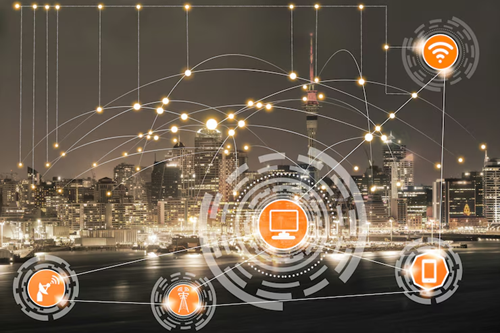
The Internet of Things (IoT) is ushering in a new era of energy efficiency and sustainability. By connecting devices, sensors, and systems, IoT enables real-time monitoring, optimisation, and control of energy consumption across industries. As connected devices proliferate across industries, the impact of IoT energy management is becoming increasingly evident. This article explores the real-world applications and benefits of IoT in energy management and how it has brought about transformation.
The IoT Energy Management Landscape
The global IoT energy market is experiencing explosive growth, with projections suggesting it could surpass USD 75.03 billion by 2032. This rapid expansion reflects the increasing adoption of IoT solutions across various energy sectors, from traditional utilities to renewable energy sources. Key market drivers include:



- Energy efficiency demands
- Technological advancements
- Regulatory pressures
- Economic benefits
The proliferation of connected IoT devices, expected to reach 18.8 billion by the end of 2024, provides the foundation for increasingly sophisticated energy management systems.
1. Quantifiable Energy Savings
One of the most tangible impacts of IoT in energy management is the measurable reduction in energy consumption and costs. IoT-based systems have delivered impressive results across various sectors:
- Manufacturing facilities have reduced energy waste by approximately 30% through real-time monitoring and optimisation.
- Predictive maintenance enabled by IoT has decreased maintenance expenses by around 25%.
- Smart grid technologies powered by IoT have shortened outage times by 17%.
- IoT has increased solar and wind energy efficiency by 10%, making renewable sources more economically viable.
These numbers translate into significant cost savings for businesses and a lighter environmental footprint.
2. Real-Time Monitoring and Analytics
IoT devices collect real-time data on energy consumption patterns, enabling businesses to identify inefficiencies and optimise usage. This continuous monitoring allows for:
- Immediate responses to anomalies
- Insights for long-term energy strategy development
- Identification of energy-intensive processes
- Optimisation of production schedules to leverage lower energy rates
For example, a manufacturing plant can use IoT sensors to pinpoint equipment consuming excessive energy during idle periods. By adjusting production schedules or implementing sleep modes, the facility can reduce waste without compromising output.
3. Predictive Maintenance
By continuously monitoring equipment performance, IoT systems can predict potential failures before they occur. This predictive capability offers several benefits:
- Reduced downtime
- Extended equipment lifespan
- Optimised maintenance schedules
- Prevention of energy waste from malfunctioning equipment
Consider a wind farm equipped with IoT sensors. By analysing vibration, temperature, and performance data, the system can identify turbines at risk of failure. Proactive maintenance can then be scheduled, minimising downtime and ensuring optimal energy generation.
4. Smart Grid Implementation
IoT has enabled the creation of smart grids that can intelligently switch between renewable energy sources and conventional power plants, ensuring a reliable and efficient electricity supply. These smart grids enable:
- Two-way communication between utilities and consumers
- Dynamic load balancing
- Automated fault detection and isolation
- Integration of distributed energy resources
For instance, a smart grid can automatically adjust the mix of solar, wind, and fossil fuel-based generation based on real-time demand and weather conditions. This kind of smart energy management reduces reliance on non-renewable sources and minimises energy waste.
5. Remote Asset Management
IoT enables remote monitoring and control of energy assets, reducing the need for on-site personnel and allowing for centralised management of distributed energy resources. This capability is particularly valuable for:
- Managing renewable energy installations in remote locations
- Optimising the performance of geographically dispersed assets
- Reducing travel costs and carbon emissions associated with on-site visits
A solar farm operator can leverage IoT to monitor panel performance, adjust tilt angles, and detect faults from a central control room. This remote management ensures optimal energy generation without the need for constant physical presence.
6. Enhanced Energy Efficiency in Buildings
Smart buildings equipped with IoT sensors and controls have achieved energy reductions of 15-30% through:
- Occupancy-based lighting and HVAC control
- Predictive algorithms for optimal start/stop times
- Load shedding during peak demand periods
- Integration of building systems for holistic energy management
For example, an office building can use IoT occupancy sensors to automatically adjust lighting and temperature based on real-time usage patterns. This dynamic control eliminates waste from unnecessary lighting or cooling of unoccupied spaces.
7. Integration with Renewable Energy
IoT connectivity plays a crucial role in integrating renewable energy sources into the grid by:
- Monitoring solar panel and wind turbine performance in real-time
- Optimising energy storage systems
- Facilitating dynamic resource allocation based on demand and supply
For instance, a hybrid renewable energy system can use IoT to continuously monitor the performance of solar panels, wind turbines, and battery storage. By analysing weather data and energy demand patterns, the system can optimise the mix of generation and storage to maximise efficiency and reliability.
Real-World Case Study: SmartHeat Project
The SmartHeat project demonstrates the concrete impact of IoT in energy management. By transforming industrial heat pumps into IoT-connected devices, the project achieved a 4.35% increase in energy efficiency.
While a 4.35% improvement may seem modest, when applied across large-scale industrial operations, it translates into significant energy and cost savings. The project showcases how retrofitting existing equipment with IoT capabilities can drive meaningful efficiency gains without complete system overhauls.
The Way Forward
As the adoption of IoT in energy management grows, we can expect to see even more transformative impacts. The integration of artificial intelligence and machine learning will enable autonomous optimisation of energy systems. Blockchain technology will facilitate peer-to-peer energy trading and transparent transaction records.
The future of energy management is undeniably intertwined with the impact of IoT. As businesses and industries embrace these technologies, they not only unlock cost savings and operational efficiencies but also contribute to a more sustainable future.
For enterprises looking to leverage the power of IoT for energy management, Airtel IoT offers comprehensive solutions. With a robust platform, flexible connectivity options, and advanced analytics capabilities, Airtel IoT empowers businesses to optimise their energy consumption and drive sustainability.
The real-world impact of IoT in energy management is not just about technology; it’s about transforming our relationship with energy. By making energy consumption more visible, controllable, and efficient, IoT is paving the way for a greener, more sustainable future. The question is not whether to adopt these solutions, but how quickly we can harness their potential to drive meaningful change.