Share
ShareAdvanced Metering Infrastructure (AMI): Transforming Utility Operations with Smart Metering IoT
-
 August 20, 2025
 -

 5 min read

Smart metering IoT is driving transformation in utility operations through real-time data, automation, and efficiency. AMI enables accurate billing, improved outage management, and resource planning. This technology enhances control and service reliability, helping smart utilities meet regulatory demands across electric, gas, and water sectors.
This article examines Advanced Metering Infrastructure (AMI), its functionality, and its relevance to modern utility operations. It outlines key AMI components, presents real-world applications, and highlights emerging trends influencing the development of smart utilities.



Understanding the Basics of AMI
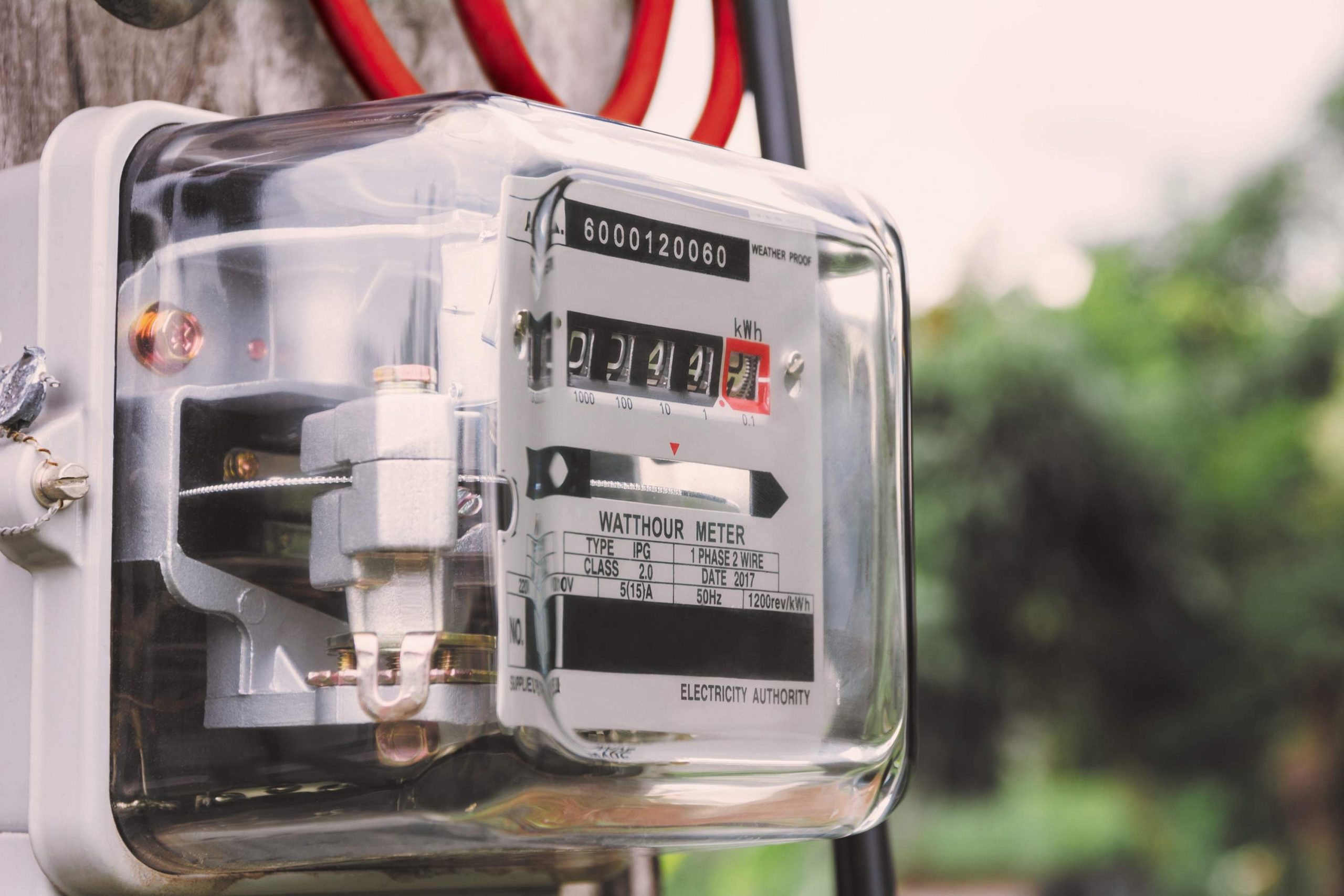
AMI is a sophisticated system that enables two-way communication between utilities and their customers’ meters. Unlike traditional meters with manual reading, AMI-enabled smart meters automate the data collection. They transmit consumption data at regular intervals, often as frequently as every hour or more. This real-time, granular data is sent securely to the utility’s central management system via fixed or wireless communication networks.
Key Components of an AMI System
- Smart Meters: Digital devices that precisely record electricity, gas, or water usage in near-real-time.
- Communication Networks: Secure, reliable infrastructure (RF mesh, cellular, PLC) that transmits data between meters and utilities.
- Meter Data Management System (MDMS): Centralised IT platform for storing, analysing, and acting upon metering data.
- Consumer Interfaces: Web portals or mobile apps that provide customers with detailed usage insights and account management tools.
How AMI Empowers Smart Utilities
By deploying AMI, smart utilities gain unprecedented visibility into their distribution networks and customer consumption patterns. This wealth of data enables a wide range of operational improvements and customer-centric initiatives:
Enhancing Operational Efficiency
- Automated Meter Reading: AMI eliminates the need for manual meter reading, significantly reducing labour costs and human error.
- Remote Service Management: Utilities can connect or disconnect services, diagnose issues, and update firmware remotely, minimising truck rolls.
- Accurate Billing: Real-time, automated data collection ensures precise billing, dramatically reducing customer disputes.
Enabling Proactive Maintenance and Rapid Response
- Outage Detection: Smart meters instantly report power outages, allowing utilities to identify affected areas and dispatch crews more efficiently.
- Leak Identification: Continuous monitoring helps detect leaks or abnormal consumption early, preventing waste and property damage.
- Predictive Maintenance: By analysing AMI data, smart utilities can predict equipment failures and take preventive measures.
Driving Sustainability and Conservation
- Energy and Water Savings: Customers can access detailed usage data, empowering them to make informed decisions and reduce consumption.
- Demand Response Programs: AMI supports dynamic pricing and load management initiatives, incentivising off-peak usage and reducing peak demand.
- Renewable Integration: Granular data facilitates the smooth integration of distributed energy resources like solar and wind.
Transforming Customer Engagement
- Personalised Insights: Consumers gain unprecedented visibility into their usage patterns, enabling more control over their bills.
- Proactive Alerts: Customers receive timely notifications about leaks, outages, or unusual consumption, improving satisfaction.
- Flexible Billing Options: AMI enables prepaid metering, customised payment plans, and more responsive customer service.
AMI Adoption: Facts and Figures
- Global Deployment: By 2025, over 1 billion smart metering IoT systems are expected to be installed worldwide, with AMI forming the backbone of most new utility projects.
- Efficiency Gains: Utilities report up to 90% reductions in meter reading costs and significant drops in billing errors post-AMI.
- Water Conservation: Cities implementing AMI often see leak-related water loss decrease by 20-30% within the initial years.
- Outage Management: AMI-equipped utilities typically restore service 20-40% faster after outages than traditional systems.
- Policy Support: Many governments mandate or incentivise AMI adoption to meet sustainability and grid modernisation goals.
Implementing AMI: A Phased Approach
Deploying AMI is a complex undertaking that requires careful planning and execution. A typical implementation of these smart metering IoT systems involves several key stages:
- Exploration: Assess needs, and evaluate potential benefits and costs.
- Feasibility Study: Conduct technical and economic analyses, engage stakeholders.
- Procurement & Contracting: Select technology vendors and implementation partners.
- Installation: Roll out the system and integrate with existing infrastructure.
- Operation & Maintenance: Collect and analyse data continuously, perform regular updates.
- Business Transformation: Redesign utility processes and customer programs to fully utilise AMI capabilities.
Navigating AMI Challenges and Considerations
While AMI offers transformative benefits, smart utilities must also address several important challenges:
| Challenge | Description |
| High Upfront Costs | Significant capital investment is required for meters, networks, and IT systems. |
| Cybersecurity Risks | As critical infrastructure, AMI must be protected against hacking and data breaches. |
| Interoperability Issues | Ensuring seamless integration of AMI components from different vendors. |
| Data Management Complexity | The sheer volume of granular data requires robust analytics and skilled personnel. |
| Customer Acceptance | Addressing privacy concerns and resistance to new technology through transparent communication. |
The Future of AMI: Trends and Innovations
- IoT Integration: AMI is increasingly seen as a foundational layer for broader smart city and IoT initiatives. It enables applications like demand response, distributed energy resource management, and predictive maintenance.
- AI and Advanced Analytics: Smart utilities use machine learning and advanced analytics to extract actionable insights from AMI data, further optimising operations and customer engagement.
- Regulatory Push: With global pressure to reduce carbon footprints and improve water/energy security, AMI adoption is expected to accelerate, especially in emerging markets.
Wrapping Up
Advanced Metering Infrastructure (AMI) is redefining utility operations and customer engagement. AMI provides real-time, granular data that supports greater efficiency, reliability, and sustainability for smart utilities. It also empowers customers to make informed usage decisions.
Airtel IoT provides comprehensive smart metering IoT solutions, offering secure, scalable AMI connectivity and device management. This empowers smart utilities to maximise smart meter performance and build a more efficient, customer-focused future.