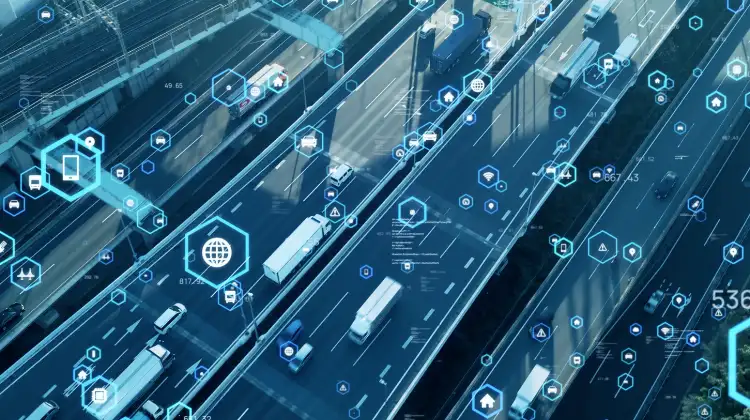
Collect, process analyze data efficiently with cutting-edge headend applications & meter data management system.
Learn More about Smart Meter Systems
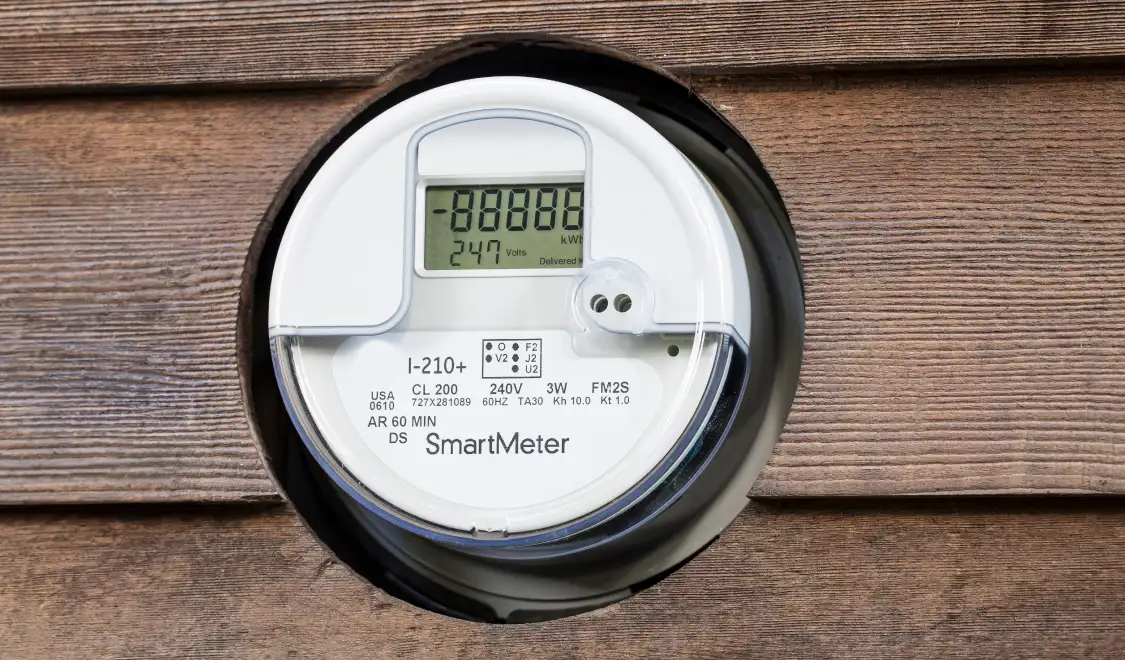
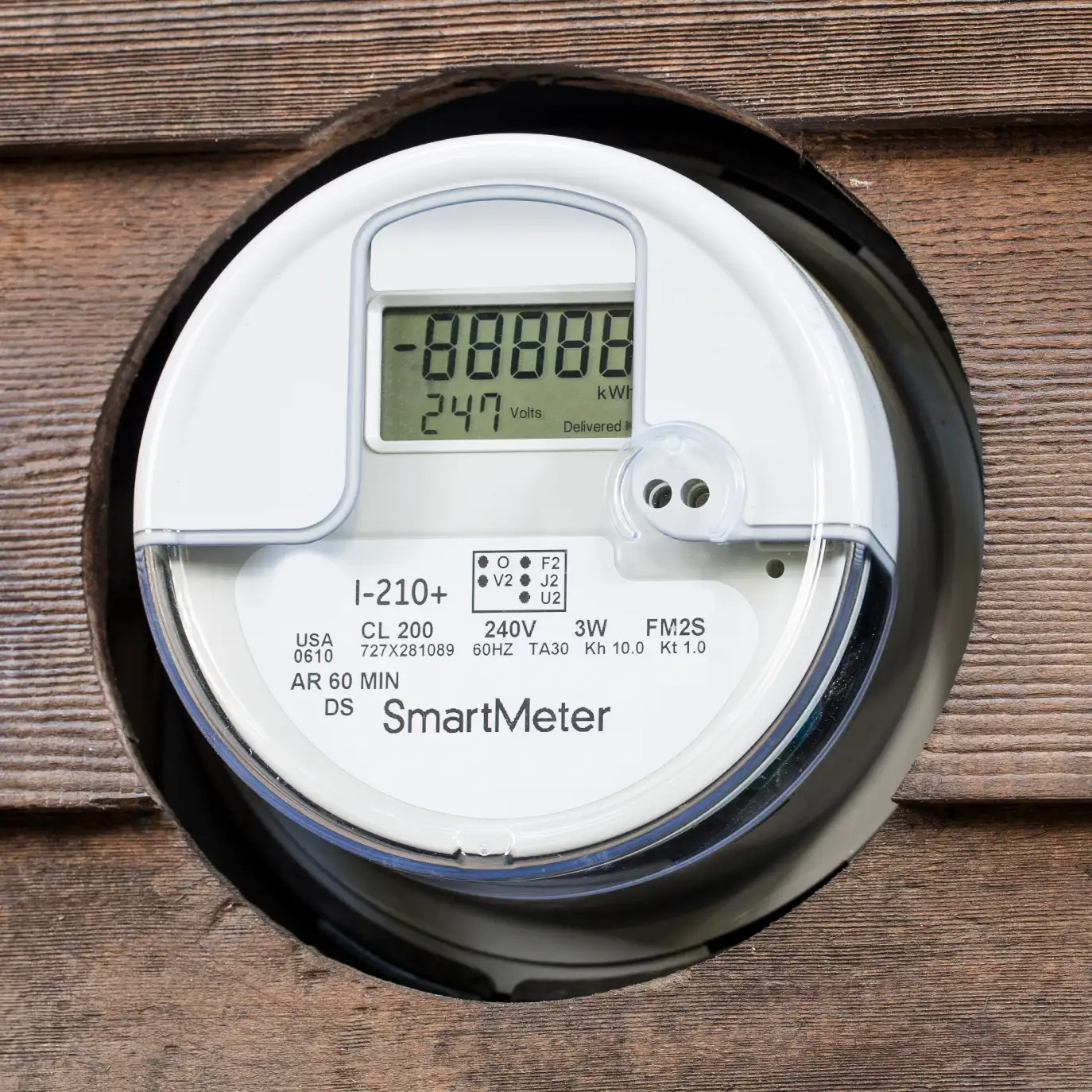
In India, traditional meters lead to energy theft and poor power quality, resulting in a staggering 23% commercial loss. Airtel partners with expert AMISPs (Advance Metering Infrastructure Service Providers) to introduce smart meters powered by NBIoT technology and head end applications. This enables resolution of billing issues, improved payment collection, as well as access to real-time data and valuable insights.

Our adaptable network design grows effortlessly with your requirements, allowing seamless addition of devices as your business expands.

Track usage, gain insights, and make informed decisions with user-friendly dashboards and Department of Telecom compliant reporting with software applications like HES and MDM.

High-performance, secure cloud hosting lets you focus on your business without worrying about your technical aspects.

Drive better insights by bringing together network analytics and HES (Head-end system) data.
India’s ambitious Revamped Distribution Sector Scheme (RDSS) is transforming the way we deliver power, and AESL is proud to be at the forefront of this revolution. Our partnership with Airtel marks a critical step towards realising the vision of a smarter, more efficient grid for all. This strategic tie-up leverages the best of both worlds: our deep domain expertise in the TandD sector and Airtel's robust nationwide network and comprehensive suite of IoT offerings, including NB-IoT and 4G LTE. This powerful combination will enable us to seamlessly deploy our current order book of over 20 million smart meters across India, empowering millions of consumers with real-time consumption data and control, while simultaneously driving down inefficiencies in the distribution network

Collect, process analyze data efficiently with cutting-edge headend applications & meter data management system.
Learn More about Smart Meter Systems
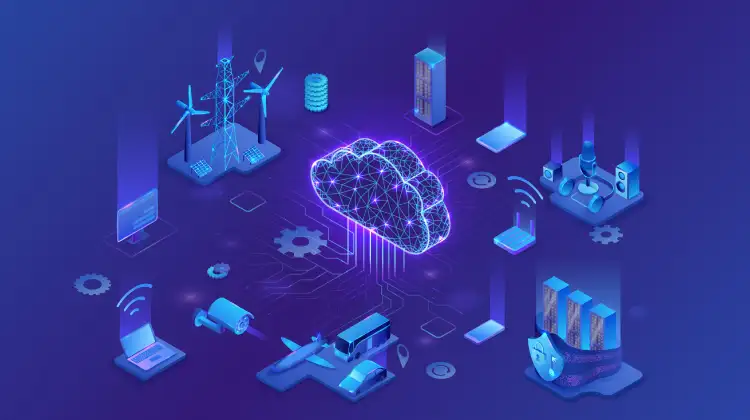
Ensure seamless communication across connected devices and applications.
Learn More about IoT Connectivity
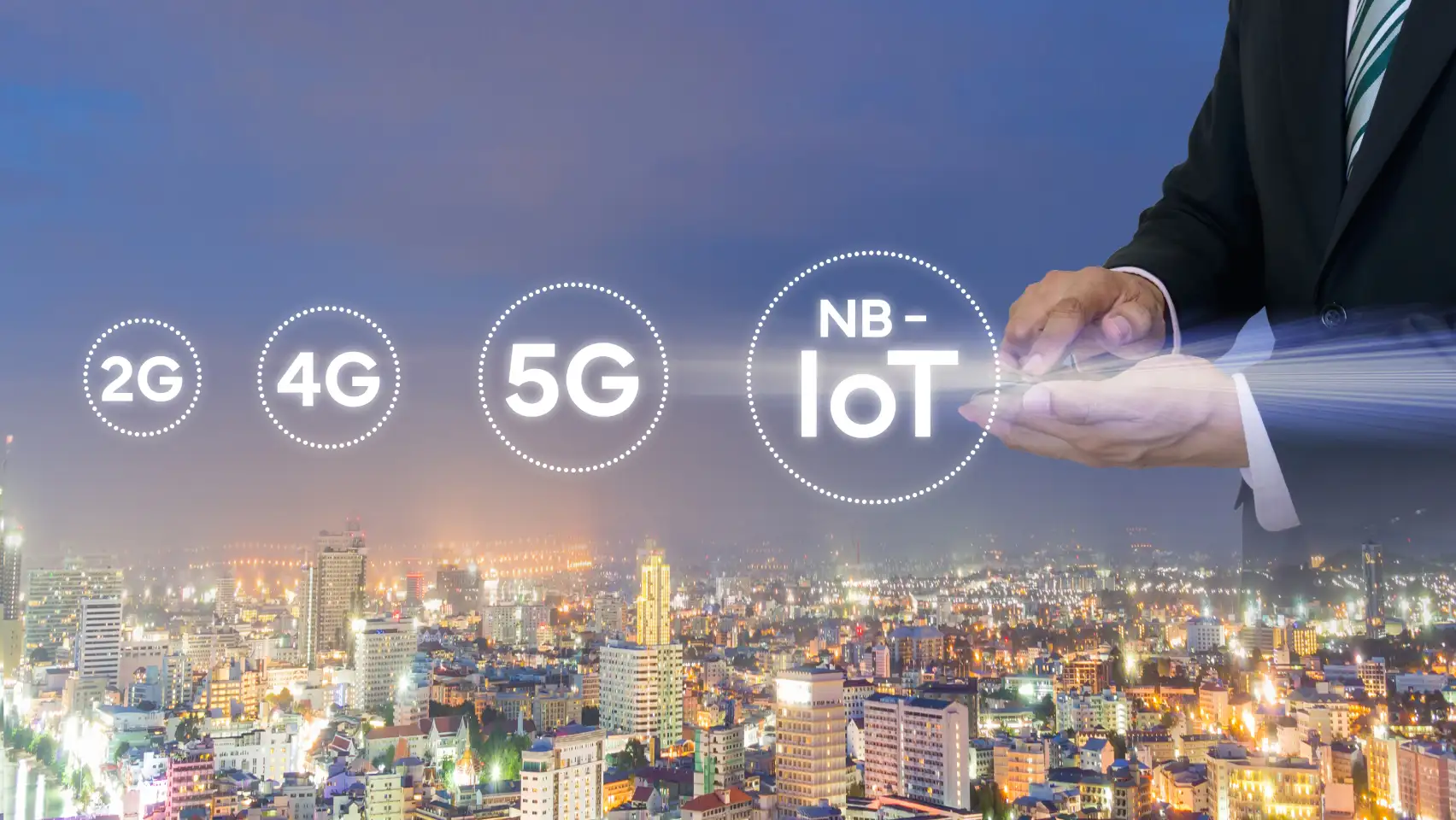
One-platform to easily manage all your connected devices powered by NBIoT, 5G, 4G, & 2G.
Learn More about IoTHub


A Smart Utilities System integrates advanced digital technologies like IoT, AI, big data analytics, and cloud computing to manage and monitor utility services such as electricity, gas, water, and heating. It uses connected sensors, smart meters, and real-time data processing to measure, report, control, and analyse resource usage across the utility network. Key components include smart meters, IoT sensors, communication networks, analytics platforms, and control systems. Smart utilities are crucial for developing smart cities and enabling responsive, data-driven urban management.
In a smart grid, utility refers to the companies and systems responsible for producing, distributing, and managing essential services, primarily electricity, gas, and water. The smart grid is an advanced, digitised electricity network that uses digital communications technology to detect and react to local changes in usage, improving efficiency, reliability, and sustainability. Key features include Automated Metering Infrastructure (AMI), Distributed Energy Resources (DERs), advanced analytics for predictive maintenance and outage management, and demand response to balance the grid in real-time.
Airtel IoT’s Smart Utilities Suite leverages IoT connectivity, cloud infrastructure, and advanced analytics to revolutionise energy management. It enables real-time monitoring of energy consumption and grid health, automated data collection to reduce manual errors and operational costs, predictive analytics to identify anomalies and potential failures before they occur, and remote control of infrastructure to enhance efficiency and responsiveness. Key features include scalable IoT connectivity, cloud-based analytics, and integration with existing systems.
IoT-driven smart utilities systems offer numerous advantages, such as enhanced efficiency through real-time data for precise demand forecasting and resource optimisation, cost reduction via automated processes, improved reliability with proactive maintenance and rapid fault detection, consumer empowerment through detailed usage reports encouraging energy conservation, and sustainability via better monitoring and control leading to reduced waste and lower carbon emissions.
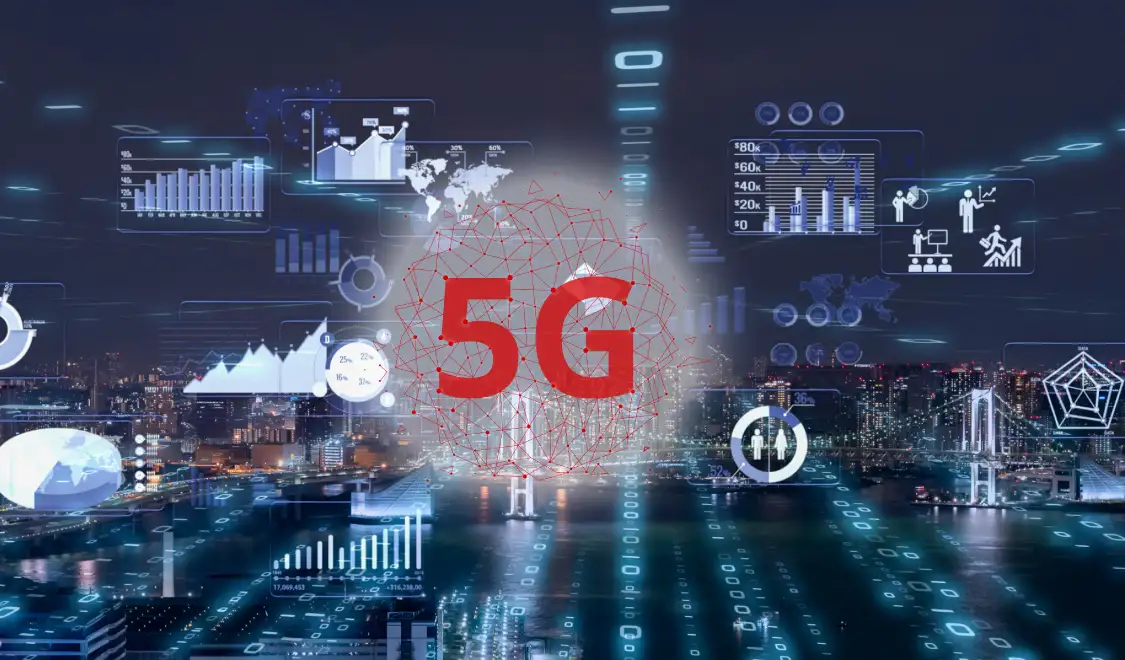
NB-IoT (Narrowband IoT) and 5G are transformative technologies for smart utilities. NB-IoT offers low-power, wide-area connectivity ideal for battery-operated smart meters and sensors, providing deep indoor penetration, long battery life, and cost-effective deployment. 5G delivers ultra-low latency, high bandwidth, and massive device connectivity, enabling real-time monitoring and control at scale. Benefits include scalability, reliability, and future-proofing for advanced applications like AI-driven grid management and autonomous infrastructure. Leading utilities are rapidly adopting NB-IoT and 5G to future-proof their operations.
Airtel’s network analytics leverage big data and AI to optimise performance by identifying network bottlenecks and optimising data flow, enhance security through real-time detection and mitigation of cyber threats, and improve service quality using predictive analytics to prevent outages and ensure reliable service. Utilities using Airtel’s analytics have reported improved uptime, reduced operational costs, and enhanced customer satisfaction. These analytics provide actionable insights for decision-makers to streamline operations, minimise errors in billing and reporting, and enable efficient, scalable, and reliable utility management.
Head-End System (HES) is the central software platform that collects, processes, and manages data from smart meters and sensors, acting as the gateway between field devices and utility IT systems. Meter Data Management (MDM) is a specialised software system that validates, stores, and analyses meter data for billing, reporting, and analytics. HES and MDM streamline operations by automating data collection and processing, enhance accuracy by minimising errors in billing and reporting, and improve decision-making by providing utilities with actionable insights for grid management.
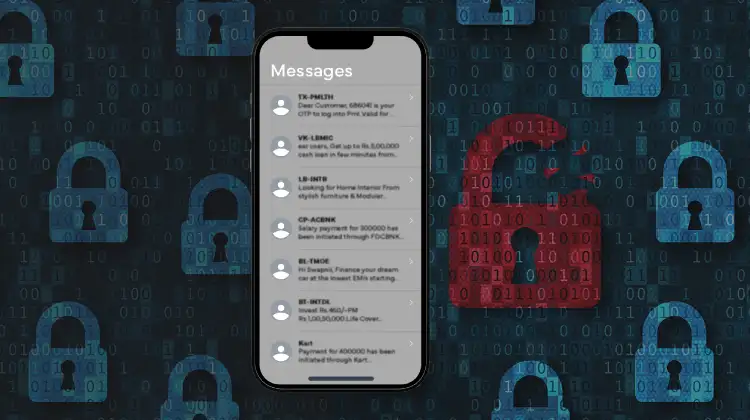
Airtel IoT’s Smart Utilities Solution incorporates robust security protocols, including end-to-end encryption to protect data in transit and at rest, secure authentication to ensure only authorised devices and users can access the system, continuous monitoring for real-time threat detection and response, and compliance with national and international security standards. Airtel’s security framework is designed to address both physical and cyber threats, ensuring the integrity and confidentiality of utility data. These measures align with industry best practices for safeguarding critical infrastructure and sensitive information.
MeitY-empaneled Cloud refers to cloud service providers approved by the Ministry of Electronics and Information Technology (MeitY), Government of India. These providers meet stringent security, reliability, and data sovereignty requirements. The importance of MeitY-empaneled Cloud for IoT solutions lies in ensuring data sovereignty by storing data within India and complying with national regulations, providing assurance to enterprises and government agencies deploying IoT solutions through rigorous security audits, and building trust in the cloud infrastructure supporting critical IoT applications.
Airtel IoT’s cloud infrastructure is designed for scalability and reliability, with elastic resources that can dynamically scale to support millions of devices, high availability to ensure uninterrupted service even during peak demand, and adherence to global standards for performance and security. Airtel has successfully deployed large-scale IoT projects across India, demonstrating the robustness of its cloud infrastructure. This scalability and proven track record make Airtel IoT’s cloud infrastructure well-suited for handling the demands of extensive smart utilities deployments and other IoT applications.
Deployment timelines for Airtel IoT’s Smart Utilities solution vary based on project scope and complexity. The pilot phase typically lasts 3–6 months for testing and validation, while full deployment can take 12–24 months for large-scale rollouts, depending on the number of devices and geographic coverage. Airtel has completed multi-city smart meter deployments within 18 months, showcasing its execution capability. The company’s experience and infrastructure enable efficient implementation, ensuring timely delivery of smart utilities solutions tailored to each client’s specific requirements.
Airtel has deployed millions of smart meters across India. The company’s extensive deployments demonstrate its expertise in large-scale IoT implementations and its ability to deliver reliable, secure, and scalable solutions. Airtel’s success in smart meter deployments positions it as a trusted partner for utilities seeking to modernise their infrastructure and improve operational efficiency.
Airtel’s Smart Utilities solution combats energy theft through real-time monitoring to detect unusual consumption patterns, tamper detection to alert utilities of potential meter tampering, and automated alerts to notify operators of suspicious activity for rapid response. Utilities have reported significant reductions in energy theft and revenue losses after deploying Airtel’s solution. By leveraging advanced analytics and IoT technology, Airtel empowers utilities to proactively identify and address energy theft, ensuring a more secure and efficient distribution network.
Airtel’s smart utilities dashboard provides real-time consumption data for individual meters and aggregated sones, anomaly detection to identify leaks, theft, and inefficiencies, predictive analytics to forecast demand and identify maintenance needs, and custom reports for regulatory compliance and operational planning. Utilities gain actionable insights to optimise operations, reduce costs, and improve service delivery. The dashboard’s user-friendly interface and powerful analytics enable data-driven decision-making, empowering utilities to enhance their performance and customer satisfaction.
Airtel IoT partners with Advanced Metering Infrastructure Service Providers (AMISPs) to deliver end-to-end smart utilities solutions. This collaboration involves technology integration, combining Airtel’s connectivity with AMISP’s hardware and software expertise, joint deployment to ensure seamless integration and operational support, and shared innovation through collaborative R&D for next-generation utility management. This partnership model accelerates deployment and ensures best-in-class solutions for utilities, leveraging the strengths of both Airtel IoT and AMISPs to deliver comprehensive, tailored smart utilities offerings.
Airtel IoT’s solutions are fully aligned with the Government of India’s vision for smart utilities, supporting the Digital India Initiative for nationwide digital transformation, enabling data-driven urban management under the Smart Cities Mission, and ensuring compliance with all relevant standards and guidelines. The company actively participates in policy discussions and contributes to the development of industry standards, ensuring that its solutions remain at the forefront of India’s smart utilities ecosystem.
Key industries that benefit from Airtel IoT’s Smart Utilities solution include electric utilities for smart metering, grid management, and theft reduction; water utilities for leak detection, consumption monitoring, and quality control; gas utilities for safe, efficient distribution and usage tracking; municipalities for integrated management of city-wide utilities; and industrial consumers for energy optimisation and cost savings. Airtel’s solution is adaptable to diverse sectors, driving efficiency and sustainability across the economy. By tailoring its offerings to industry-specific needs, Airtel IoT enables widespread adoption of smart utilities technologies.