Share
ShareInternet Leased Line vs Dark Fibre: How to Pick the Right Connectivity Backbone for Your Business
-
 August 26, 2026
 -

 7 min read
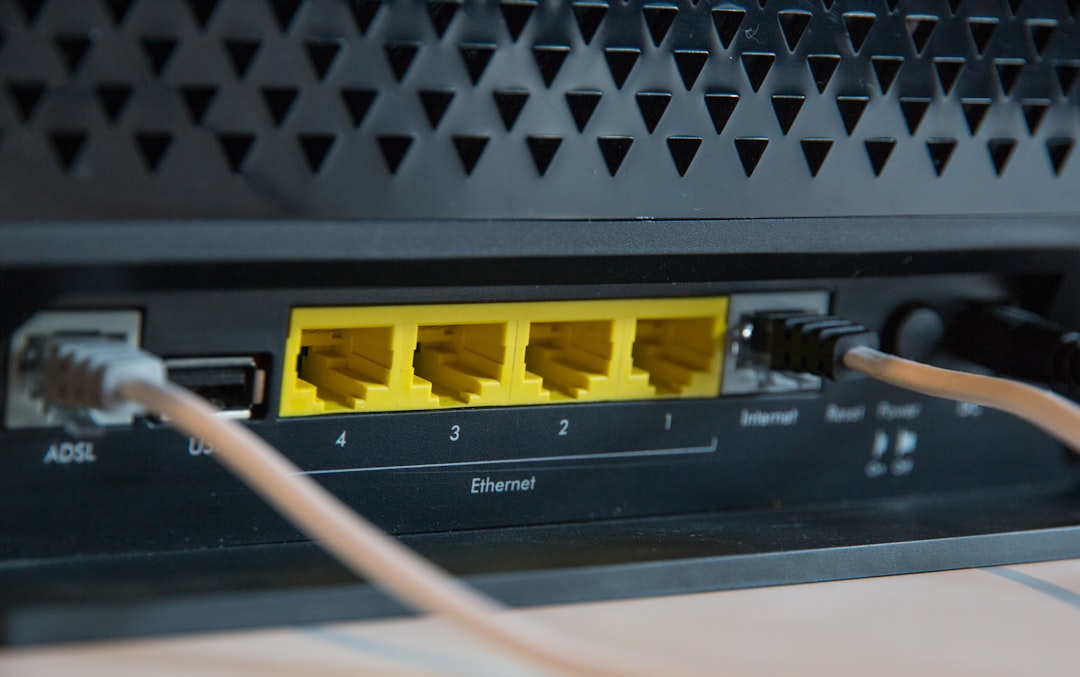
When your enterprise needs more than shared broadband, guaranteed uptime, symmetrical speeds, and full control over capacity, the choice typically narrows to two options: a leased line connection or dark fibre. But they serve different kinds of organisations at different growth stages. This article breaks down the technical specs, cost structures, scalability limits, and ideal use cases for each, helping IT leaders and CXOs make a well-informed infrastructure investment
A single hour of network downtime can cost a mid-size Indian enterprise anywhere between ₹5 lakh and ₹50 lakh, depending on the sector. When you’re running SAP instances, VoIP systems, and cloud-hosted ERP applications across multiple offices, the question isn’t whether you need dedicated connectivity; it’s which kind.



Two options dominate that conversation: a leased line connection and dark fibre. Both use fibre optic cables. Both guarantee private bandwidth. But they differ sharply in who manages the network, how you scale, and what you pay over five or ten years. Below, we’ll compare their architecture, performance guarantees, cost models, and ideal business fit.
What Separates a Leased Line Connection from Dark Fibre?
A leased line connection is a dedicated, fixed-bandwidth data link rented from a telecom provider. It connects your office directly to the ISP using fibre optic cables, delivering symmetrical upload and download speeds. The ISP owns the infrastructure, manages the equipment, and takes responsibility for maintenance and uptime. You pay a monthly recurring charge and, in return, get an uncontended link, meaning no other customer shares your bandwidth.
Dark fibre, on the other hand, is raw, unlit fibre optic cable already laid underground but not connected to any transmission equipment. You lease or purchase the physical strands, then buy, install, and manage your own optical hardware at both ends. The fibre is “dark” because no light signals are passing through it until you activate it yourself.
Here’s the key distinction:
| Parameter | Leased Line Connection | Dark Fibre |
|---|---|---|
| Ownership of equipment | ISP-managed | Customer-managed |
| Bandwidth control | Fixed tiers (10 Mbps–10 Gbps) | Limited only by your optics |
| Maintenance responsibility | ISP | Customer or third-party |
| Scalability | Request upgrade from ISP | Swap optical equipment |
| Typical contract length | 1–3 years | 10–25 years (IRU) |
With a leased line connection, you’re buying a managed service. With dark fibre, you’re buying raw infrastructure and building your own network on top of it.
How Do Bandwidth, Latency, and SLAs Compare?
Symmetrical Speed and Uncontended Bandwidth
Both options deliver symmetrical speeds and equal upload and download capacity. This matters for applications like Microsoft 365, video conferencing, and cloud-hosted databases where data constantly syncs in both directions.
A standard leased line connection offers bandwidth ranging from 10 Mbps to 10 Gbps. The bandwidth is uncontended; the speed you’re paying for is guaranteed regardless of how busy the broader network gets.
Dark fibre has no predefined speed ceiling. Capacity depends entirely on your endpoint optics. With DWDM (Dense Wavelength Division Multiplexing) technology, a single dark fibre strand can carry up to 96 wavelengths, each supporting speeds from 10G to 400G. That means you can move from 10 Gbps to 400 Gbps by upgrading equipment, without touching the cable underground.
Latency Differences
Dark fibre typically delivers lower latency than managed services because data travels point-to-point without passing through the ISP’s aggregation equipment. For applications that need sub-millisecond response times, think high-frequency trading or live database replication; this gap matters.
For general enterprise use (email, cloud apps, VoIP), the latency difference between a well-provisioned leased line connection and dark fibre is often negligible.
SLA Guarantees
This is where managed services pull ahead. A leased line connection comes backed by formal SLAs, typically 99.9% uptime, with four-hour fix times around the clock. A 99.9% SLA allows roughly 8 hours and 46 minutes of downtime per year. For most businesses, that’s more than acceptable.
Dark fibre contracts generally don’t include performance SLAs. You own the network performance. If something breaks, you (or your third-party maintenance partner) fix it. That’s liberating for large teams with in-house network engineers. It’s a risk for smaller operations without that expertise.
When Does Dark Fibre Become More Cost-Effective Than a Leased Line Connection?
The CapEx vs OpEx Split
A leased line connection is an operational expense. You pay ₹X per month. Pricing typically ranges from ₹25,000 to ₹100,000+ per month depending on bandwidth, circuit distance, and location. No heavy upfront investment. Predictable bills.
Dark fibre flips the model. You face significant capital expenditure, optical transceivers, switches, routers, DWDM multiplexers, and ongoing maintenance contracts. But the per-gigabit cost drops dramatically over time.
The 1 Gbps Crossover Point
Here’s a useful rule of thumb: once your bandwidth needs cross 1 Gbps consistently, dark fibre costs start competing with (and often beating) managed services. Organisations moving more than 10 Gbps of traffic have reported 60% or greater savings over five years compared to equivalent managed links.
However, if your sustained bandwidth requirement stays below 40 Gbps, a managed leased line connection with its declining per-Mbps pricing often wins on total cost when you factor in equipment, staffing, and maintenance.
- Below 1 Gbps: Leased line connection is almost always cheaper
- 1–10 Gbps: Compare total cost of ownership carefully
- 10–40 Gbps: Dark fibre starts showing savings
- 40 Gbps+: Dark fibre typically wins on cost per gigabit
Contract Structures
Most dark fibre deals use Indefeasible Right of Use (IRU) agreements, long-term contracts spanning 10 to 25 years. You make an upfront lump-sum payment covering the entire term, plus annual maintenance fees. That’s a big commitment. A leased line connection contract rarely runs beyond three years, giving you more flexibility to switch or renegotiate.
Which Solution Fits Your Business Profile?
When a Leased Line Connection Makes Sense
- Small to mid-size enterprises needing 25 Mbps to 1 Gbps
- Businesses without a dedicated network engineering team
- Organisations that want predictable monthly costs without capital outlay
- Companies requiring guaranteed SLAs and ISP-managed fault resolution
- Offices with installation timelines of 30 to 90 days (typical leased line connection deployment)
A 50-person company running cloud CRM, email, and video calls needs perhaps 100–500 Mbps of symmetrical bandwidth. A managed leased line connection handles this comfortably, with the ISP taking care of monitoring, maintenance, and repairs.
When Dark Fibre Makes Sense
- Large enterprises, data centres, and hyperscalers needing 10 Gbps+
- Organisations with in-house network teams capable of managing optical equipment
- Businesses planning 10–20 year infrastructure investments
- Use cases requiring sub-millisecond latency (financial services, media production)
- Companies wanting full control over encryption, routing, and capacity
A multi-campus hospital network or a financial services firm connecting trading floors to co-location facilities benefits from dark fibre because they need massive, customisable bandwidth with full network control.
Market Trajectory
The global dark fibre market grew from USD 6.88 billion in 2025 to USD 7.85 billion in 2026 and is forecast to reach USD 18.46 billion by 2032, expanding at a 15.12% CAGR. That growth is driven by enterprises wanting scalable, direct connectivity they can control entirely. But this doesn’t mean every business should jump to dark fibre; it means the market is maturing for those whose needs justify it.
Choosing the Right Connectivity Solution For Your Business
The right choice between a leased line connection and dark fibre depends on three things: your current bandwidth requirement, your in-house technical capability, and your planning horizon. Most Indian enterprises below 1 Gbps will find a managed leased line connection delivers better value with less operational burden. Above 10 Gbps, dark fibre starts earning its keep. For businesses looking for a reliable, SLA-backed leased line connection with symmetrical speeds and fast deployment, Airtel Business offers flexible plans across bandwidth tiers with 99.9% uptime commitments, worth evaluating as part of your shortlist.
FAQs
-
A dark fibre strand is raw, unlit cable you manage yourself, while a leased line is a fully managed, ISP-operated service with fixed bandwidth and SLA guarantees. Choose based on your technical capacity and bandwidth scale.
-
Below 1 Gbps, a leased line connection is typically cheaper. Above 10 Gbps, dark fibre delivers lower cost-per-gigabit over five-plus years, though upfront capital investment is significantly higher.
-
A leased line connection supports speeds from 10 Mbps up to 10 Gbps, with symmetrical upload and download capacity. Providers allow incremental upgrades as your requirements grow.
-
Dark fibre activation timelines vary from 60 to 120 days depending on fibre availability, site readiness, and permitting. IRU contracts typically span 10–25 years with upfront payment.
-
Small and mid-size businesses needing under 1 Gbps, predictable monthly costs, ISP-managed fault resolution, and 99.9% uptime SLAs are better served by a managed leased-line connection.