Share
ShareWhat Infrastructure Do You Need to Build an AI-Enabled, Automated Office?
-
 August 21, 2025
 -

 7 min read

Every office today is chasing speed. Meetings are shorter, decisions are faster, and customers expect immediate responses. In the middle of this shift, businesses are turning to automation and artificial intelligence not as add-ons, but as major drivers of productivity.
An AI-enabled office isn’t about replacing people; it is more about giving them better tools to work smarter. But these systems can’t run on outdated setups. It demands the right infrastructure, not only in software but also in hardware, connectivity, and systems that can handle intelligent automation at scale.



Before implementing AI, you need to know what supports it and what breaks if you miss a step.
The Core Infrastructure Behind an AI-Enabled Office
Transitioning into an AI-enabled office goes beyond investing in a few tools or installing automation software. You need the right mix of physical infrastructure, digital systems, and network reliability to support real-time intelligence and automated decision-making. Below are ten critical infrastructure elements every business must build or upgrade.
1. High-Performance Computing Hardware
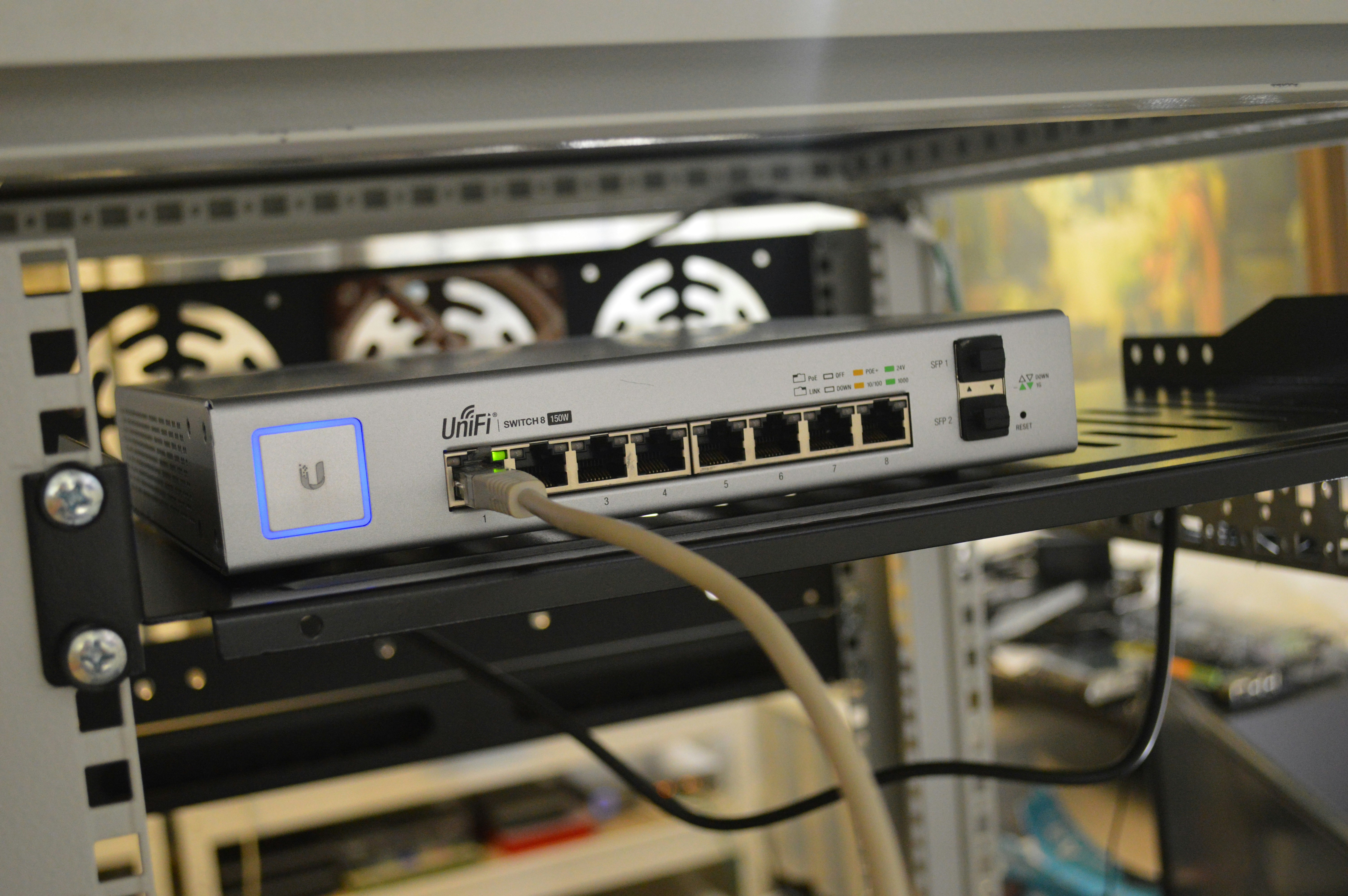
You can’t expect AI to deliver value on outdated machines. The real-time analytics, natural language processing, and machine learning workloads that drive modern businesses require robust computing power.
Desktops and servers in an AI-enabled office should include:
- Multi-core processors (Intel i7/i9 or AMD Ryzen 7/9)
- At least 16GB of RAM for standard tasks and 32GB+ for data-heavy operations
- Solid-state drives (SSDs) to improve read-write speeds
- Dedicated graphics cards (GPUs) for AI model training and rendering
These are the foundations to make the AI layer responsive, accurate, and efficient.
2. Scalable Cloud Platforms
The future of business intelligence lives in the cloud. In an AI-enabled office, cloud platforms do far more than offer storage; they form the spine of AI development, deployment, and daily workflows.
Using services like AWS, Microsoft Azure, or Google Cloud gives your team the ability to:
- Train and run machine learning models
- Host scalable databases
- Integrate APIs for third-party automation
- Access tools for speech, vision, and text analysis
A cloud-first approach also helps businesses handle fluctuating workloads, especially during marketing campaigns or financial reporting.
3. Reliable and Dedicated Connectivity
AI doesn’t work in a vacuum. Whether syncing cloud dashboards, automating real-time inventory updates, or running voice-based customer support, a strong internet connection becomes essential.
Offices that share broadband with other users face lag, inconsistent speeds, and security risks, all of which disrupt automation.
Instead, you need a dedicated internet leased line that offers:
- A fixed bandwidth used only by your organisation
- Consistent speeds regardless of time or location
- Equal upload and download rates (critical for real-time systems)
- Higher uptime and lower latency for faster response
Using a business-grade internet leased line keeps your AI platforms, cloud apps, and communications always active and fully functional.
4. Unified Data Management and Access Control
AI can’t make smart decisions without access to structured, accurate data. Inconsistent, outdated, or siloed information causes automation to fail or deliver wrong outcomes.
Your office needs:
- Centralised data repositories (such as cloud data warehouses)
- Tools for access control and user permissions
- Real-time integration between apps like ERP, CRM, and HRMS
- Backup systems for disaster recovery
Proper data infrastructure ensures your AI systems receive the right inputs and deliver dependable results.
5. Smart Communication Tools with AI Integration
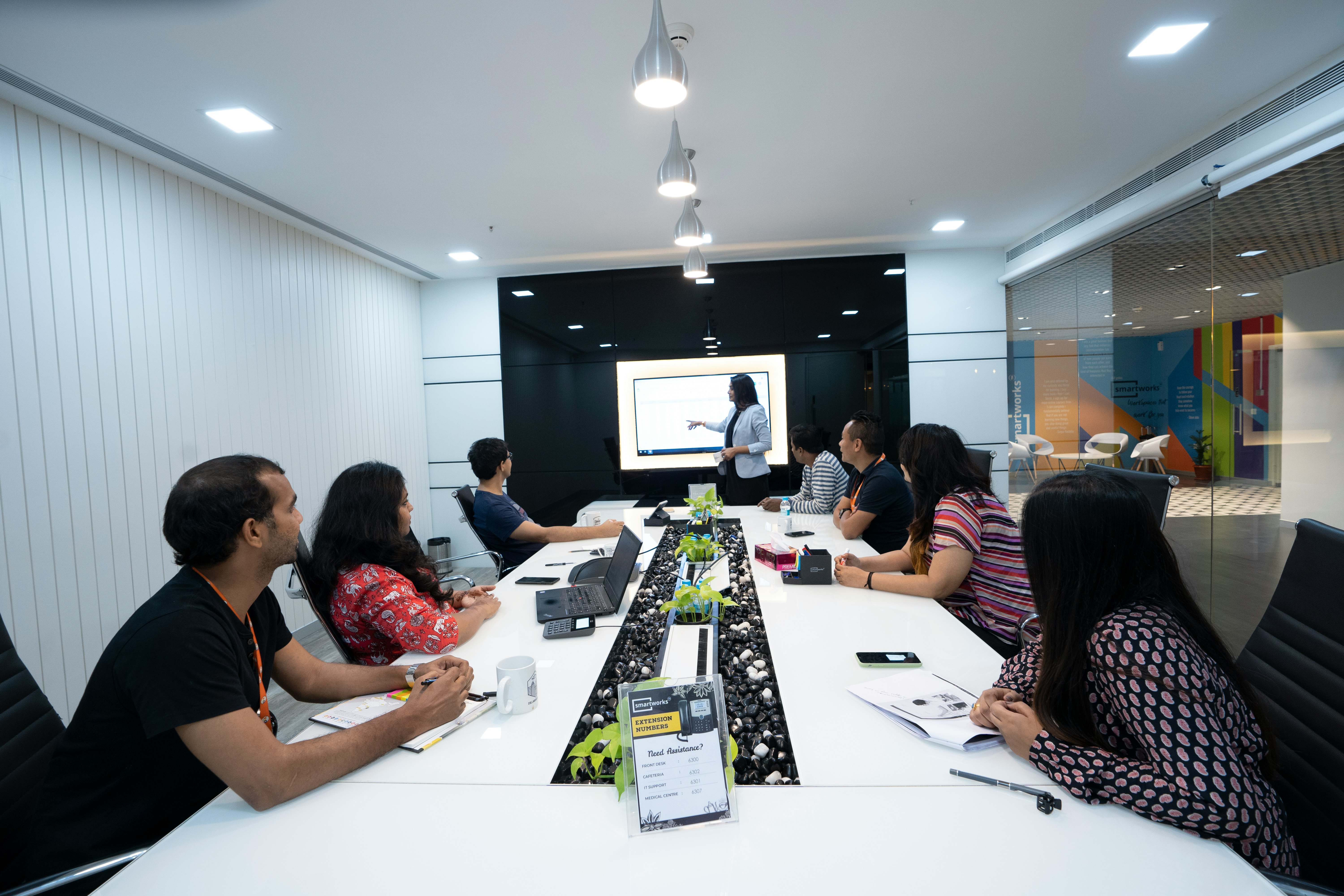
In a truly connected office, communication tools go beyond calls and emails. Intelligent collaboration tools improve efficiency, reduce miscommunication, and save time.
Your AI-enabled office should integrate:
- Smart meeting schedulers that suggest times based on calendars
- Live transcription and note generation from meetings
- Automated chatbots on platforms like Slack or Microsoft Teams
- AI assistants for document summarisation and task allocation
These tools depend on real-time bandwidth and cloud integration. If your internet fails during a video conference or transcription, productivity suffers. A strong internet leased line keeps everything stable during usage spikes.
6. Workflow Automation Engines
AI doesn’t just assist; it acts. Automated workflows transform how teams process documents, follow approvals, or respond to queries. Automation platforms like UiPath, Power Automate, or Zapier take over repetitive work across departments.
Whether you are automating purchase orders in finance, leave approvals in HR, or customer follow-ups in sales, the key lies in integration. AI tools need access to APIs, cloud services, and local apps. That’s why a well-structured, API-ready, and secure digital environment is non-negotiable.
7. Cybersecurity and Threat Intelligence
Automation increases access points for cyber threats. Your office becomes more connected, more vulnerable. You are not just protecting files anymore; you are protecting systems that make decisions. Your AI-enabled office should include:
- Enterprise firewalls with behaviour analysis
- Endpoint protection on every employee device
- AI-based threat detection that adapts to attack patterns
- Secure VPN and zero-trust authentication for remote workers
- Regular audits and patch management for all software
Security must scale alongside automation. Neglecting this can lead to massive business risks, including data loss, breaches, and legal non-compliance.
8. Connected IoT Devices and Smart Sensors
A modern office isn’t just smart on screen. Intelligent physical systems bring automation into the environment. From energy management to occupancy detection, AI-enabled sensors streamline operations in ways often overlooked.
Smart devices your infrastructure should include:
- Motion-based lighting systems
- Automated climate control based on room usage
- Desk or meeting room availability indicators
- Security cameras with facial recognition
For these to work properly, they need robust connectivity and device management systems, both of which become more reliable with a dedicated internet leased line.
9. Support for Hybrid and Remote Teams
Remote work isn’t a temporary shift. For most businesses, it’s the new normal. AI can enhance productivity here too, but only if the remote side of the team is treated as equally important.
To support a hybrid workforce:
- Use AI chatbots for internal IT or HR queries
- Enable remote desktops or VPN access to enterprise tools
- Deploy cloud-based attendance and task-tracking systems
- Use virtual whiteboards with smart annotations
- Offer AI-based training modules to upskill staff
These systems need consistent access to business applications and cloud storage. The only way to maintain that experience for remote teams is through a strong central network, again highlighting the value of a dedicated internet leased line at office headquarters.
10. Proactive IT and AI System Monitoring
A smarter office is also a more complex one. If something fails—a server, an AI model, a sensor—you must know immediately. Proactive monitoring tools give your IT team that visibility.
You will need:
- Dashboards to track cloud usage, API calls, and automation flow
- Real-time alerts for dropped connections or failed tasks
- Logs to review system behaviour
- Uptime monitoring for SaaS platforms
This isn’t just a technical requirement; it’s about trust. Employees and customers expect fast, intelligent service. Downtime or failure damages that trust, making proactive monitoring essential to sustain any AI-enabled office.
Airtel Internet Leased Line | Built for the AI-Enabled Office
Your office may have the best AI tools, but without strong, consistent internet, none of it will work effectively. This is where the internet leased line stands out. Unlike regular broadband that businesses often share with neighbours, a leased line is dedicated to you. This means your bandwidth isn’t affected by external usage. Whether 10 or 100 employees work on cloud systems, data transfers or AI dashboards, performance stays intact.
With Airtel internet leased line, businesses gain:
| Key Feature | Details |
| Bandwidth | Dedicated to your business only |
| Uptime Guarantee | 99.5% network availability |
| Upload and Download Speed | Symmetric speeds for balanced performance |
| Network Security | Built-in DDoS protection and enterprise firewall |
| Scalability | Ranges from 10 Mbps up to 100 Gbps |
| Burstable Bandwidth | Expandable during usage spikes |
| Support | 24×7 proactive service with expert assistance |
For any business building or scaling an AI-enabled office, Airtel internet leased line delivers the foundation your automation systems truly need.
In a Nutshell
An AI-enabled office needs more than just smart tools. It relies on solid infrastructure to support automation, real-time communication, and data-driven decision-making. From computing power to cloud systems, every layer must work together. But none of it delivers value without a dependable internet. That’s where the Airtel internet leased line becomes essential. This solution provides the reliability, speed, and security needed for modern business environments.
If your goal is to build an intelligent, future-ready workplace, invest in systems that support growth and tools that empower people. With enterprise-grade infrastructure from Airtel, an AI-enabled office becomes more than just efficient. It becomes a space where intelligence, speed, and reliability come together to deliver lasting business impact.