Share
ShareHow Are Educational Institutions Adapting to Hybrid Work and Learning Models?
-
 August 21, 2025
 -

 6 min read

When COVID-19 shut down schools and universities, education faced its biggest disruption in decades. Classrooms went silent, but learning had to continue. Institutions turned to video calls, online platforms, and mobile apps as quick fixes. What started as an emergency response soon revealed a new way forward. The pandemic pushed traditional education into a hybrid future.
Now, even as campuses reopen, many colleges and schools continue to combine online and offline models. As you can see, this shift is no longer temporary. Hybrid work models are now reshaping how education is delivered and how staff work behind the scenes. However, adapting to it takes more than just intention. It takes strong as well as reliable support.



So how are institutions really managing this transformation? Let’s take a closer look.
Know How Indian Educational Institutions Embrace Hybrid Models
Here are seven key shifts that show how educational institutions are adapting to hybrid models in real, meaningful ways.
1. Redesigning Curriculum Delivery
Institutions are no longer simply recording lectures and uploading them online. The curriculum itself is being reimagined. Faculty members are creating content that works equally well in physical classrooms and on digital platforms. Pre-recorded lectures, interactive e-learning modules, live Q&A sessions, and digital assessments are all part of this redesign.
For example, many engineering colleges now combine virtual lab simulations with in-person sessions. This approach helps students grasp concepts at their own pace while still offering hands-on learning when needed.
2. Training Faculty for Digital Readiness
Teaching in hybrid work models requires more than subject knowledge. It demands digital fluency. To support this shift, institutions are investing in continuous faculty development programmes. Professors and lecturers are learning how to use learning management systems, conduct engaging video lectures, and evaluate students online.
This training often includes tools that allow faculty to:
- Conduct live quizzes and polls to keep students engaged
- Use breakout rooms during virtual classes for better discussions
- Track student participation and performance using real-time analytics
The result is a faculty team that is not just digitally equipped but also pedagogically aligned with hybrid education.
3. Investing in EdTech Infrastructure
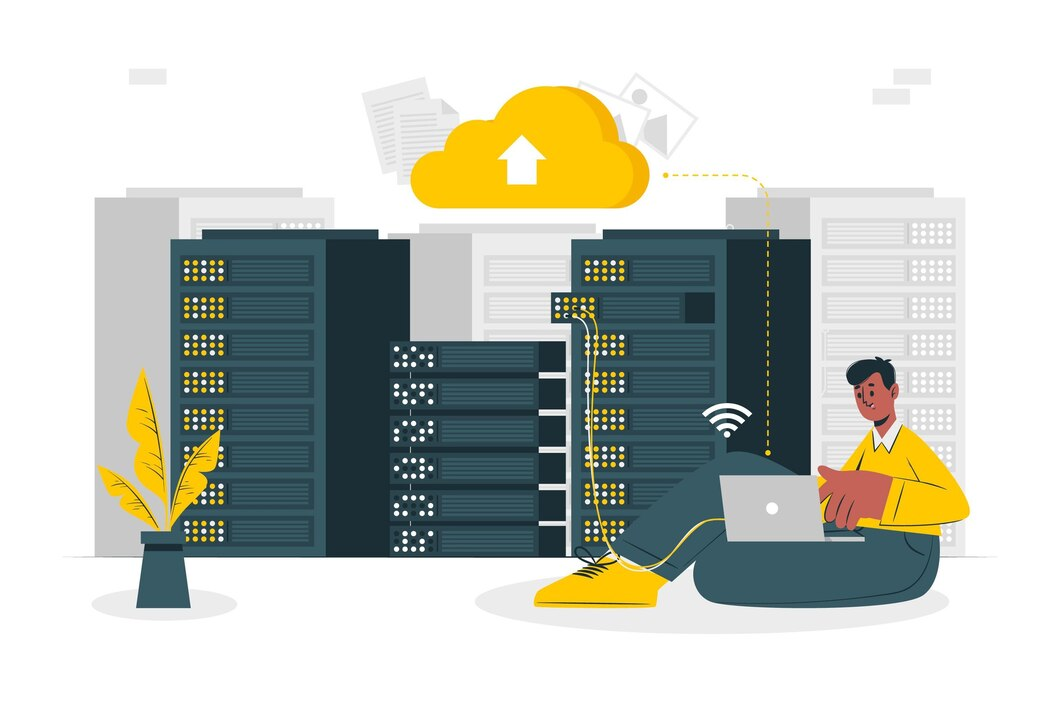
Adopting hybrid work models calls for robust backend systems. From cloud servers to student information systems, educational institutions are upgrading their infrastructure. Many are moving toward AI-enabled platforms that help track attendance, monitor academic progress, and send automated alerts for assignments.
Private institutions and newer universities are particularly proactive in this space. They are leveraging EdTech partnerships to integrate digital libraries, plagiarism detection tools, and adaptive learning software into their systems.
4. Administrative Functions
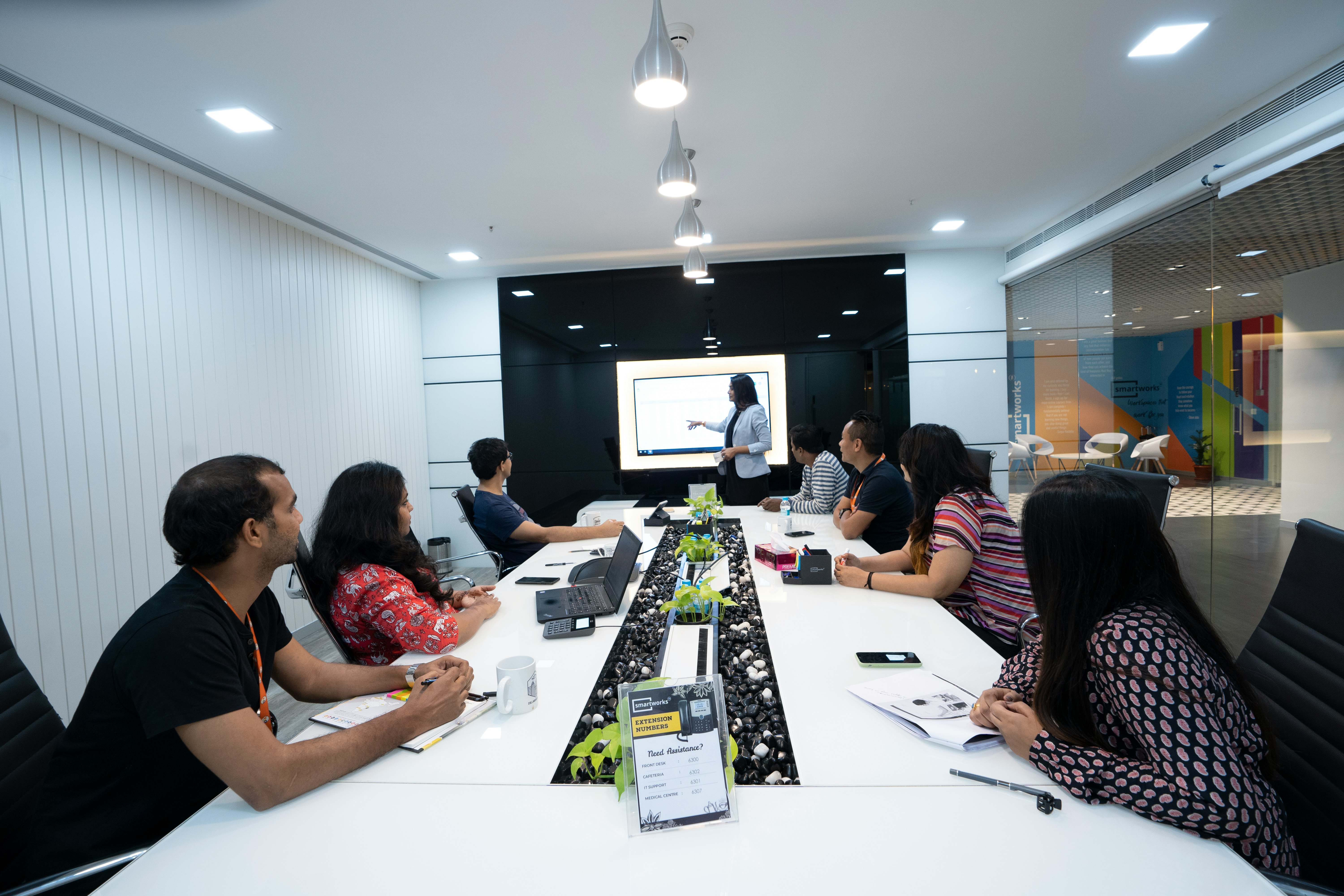
Much of the operational side of education can now function remotely. Teams handling admissions, placements, finance, and human resources are working across campuses or from home. Hybrid work models help these departments stay connected and productive without always being physically present.
For example, admissions counsellors are managing student queries through chatbots, video calls, and email. HR teams are conducting virtual interviews and onboarding. Finance departments use online systems to process fees and payroll. This structure reduces overhead while increasing flexibility.
5. Enhancing Student Support Services
Students need more than lectures to succeed. They need access to counselling, mentoring, study resources, and technical help. Institutions are addressing this by offering a wide range of support services online.
Some of these services include:
- Virtual counselling for mental health and academic concerns
- Digital mentoring platforms where students can interact with faculty or industry professionals
- Online workshops for skill development, such as coding or resume writing
With hybrid learning, support doesn’t stop at the campus gate. It follows students wherever they are.
6. Collaborating Across Borders
Another exciting outcome of hybrid work models is the rise in cross-border collaboration. Faculty members are connecting with peers in other countries to co-create courses and research projects. Students are attending virtual lectures hosted by professors from international universities.
Global partnerships that once required travel and large budgets are now accessible through digital platforms. This trend is helping Indian institutions increase their global presence while offering students a more international academic experience.
7. Prioritising Mobile-First Connectivity
With hybrid work models extending beyond campus boundaries, mobile connectivity has become essential for education. Faculty members often teach or manage administrative tasks from home. Students log into classes from cities, towns, and even rural areas. This shift has made high-speed, reliable mobile internet a basic requirement.
Whether it’s attending a lecture, submitting assignments, or coordinating academic events, strong mobile networks have become central to keeping everyone connected. Institutions are now factoring mobile access into their digital strategies after recognising its role in bridging gaps and supporting uninterrupted academic engagement across locations.
Supporting Hybrid Education with Corporate Postpaid Plans
Hybrid education relies heavily on uninterrupted connectivity. Whether it’s a lecturer delivering a class from home, an admissions officer working remotely, or a research scholar attending a virtual seminar overseas, mobile networks have become essential tools in everyday academic life. This is where corporate postpaid plans come in as a trusted solution for institutions embracing hybrid work models and learning.
Here’s how Airtel is helping educational institutions stay connected and productive:
- 30X Faster Speeds with Airtel 5G Plus: Teachers, staff, and students enjoy lightning-fast downloads and uploads, perfect for video lectures, cloud-based assignments, and remote collaboration.
- Dynamic Data Pooling: Data can be shared across users within an institution, so departments that need more data during specific periods can use it without waste or extra plans.
- Low Call Drop Rates and Stable Voice Quality: Administrative and academic calls remain clear and reliable, which is critical when coordinating across teams or conducting virtual counselling.
- International Roaming Across 180+ Countries: Faculty travelling abroad for conferences or research stay connected without the burden of additional roaming complexities.
- Workforce Tracking with TraceMate: Helps monitor on-field or remote staff performance and locations, especially useful for institutions with outreach, placement, or mobile academic teams.
- Easy Account Management: A centralised portal allows IT teams or department heads to manage billing, raise service requests, and update user information with ease.
With dedicated relationship managers and doorstep SIM delivery, corporate postpaid plans provide the agility and support that hybrid education demands.
Final Thoughts
Hybrid education isn’t just a temporary adjustment. It’s now part of how institutions teach, work, and grow. Across India and all over the world, schools and universities are blending physical and digital spaces to offer better access, smarter systems, and more flexible ways to learn. This shift has brought flexibility, but it also demands tools that can keep up with new expectations. Without stable, fast, and intelligent connectivity, even the best academic strategies can fall short.
This is where corporate postpaid plans make a difference. Designed for professional use, they offer high-speed data, priority network access, data pooling, workforce tracking, and account control, all in one solution. For institutions navigating hybrid work models, Airtel doesn’t just provide connectivity. It becomes the infrastructure that holds everything together.