Share
ShareM2M IoT Integration: How SIMs Connect to Platforms
-
 January 20, 2026
 -

 6 min read

Machine-to-machine (M2M) SIMs have quietly become the backbone of industrial automation, supporting the rapid growth of connected devices worldwide. These specialised SIMs prioritise global roaming across multiple networks without per-country fees, automatic network steering, and remote profile updates.
M2M IoT SIM integration happens through multi-network roaming, remote management APIs, and unified dashboards that handle real-time monitoring, provisioning, and network switching. This article examines M2M SIM integration, the technical architecture behind IoT networking, practical deployment strategies, cost considerations, and platform selection criteria.



Understanding M2M IoT SIM Architecture and Platform Integration
M2M IoT SIMs function differently from standard mobile SIMs. They support technologies such as 2G, 3G, 4G LTE, 5G, LTE-M, and NB-IoT while maintaining connectivity across multiple carriers simultaneously. Integration begins at the hardware level. M2M SIMs are embedded into IoT endpoints such as sensors, trackers, and edge routers, using mini, micro, nano, or iSIM formats.
The core integration mechanism revolves around the IoT Connectivity Management Platform (CMP). This cloud-based orchestration layer provides centralised control for monitoring data usage, SIM provisioning, and diagnostics. For instance, providers offer platforms that support deployments from small businesses to enterprises, with features like:
- Real-time data monitoring across all connected devices
- Remote SIM activation and suspension capabilities
- Automated alerts for data threshold breaches
- Multi-network switching visibility
The technical workflow follows a structured pattern. First, SIMs activate via API or portal access. Multi-IMSI technology then steers devices to optimal networks based on signal strength and availability. Data flows through secure, encrypted tunnels into IoT platforms for processing. Finally, hierarchical account structures (supporting up to 4 levels) enable visibility and analytics across large deployments.
Network Selection and Roaming Capabilities
IoT networking relies heavily on automatic network selection. M2M IoT SIMs scan available networks, selecting the strongest signal without manual intervention. This multi-network approach eliminates single points of failure. When one network experiences issues, devices automatically switch to alternatives within minutes.
M2M IoT SIMs provide access to 600+ networks across 180+ countries through a single agreement. This capability proves essential for logistics companies tracking shipments across borders or manufacturers monitoring equipment in multiple facilities.
eUICC Technology and Remote Management
Embedded Universal Integrated Circuit Card (eUICC) technology revolutionises M2M IoT deployments. These SIMs support over-the-air (OTA) profile updates, allowing operators to switch carriers remotely without physical SIM replacement. This capability becomes crucial when deploying thousands of devices across inaccessible locations.
Remote management extends beyond carrier switching. Platforms enable:
- Bulk provisioning of new devices
- Real-time usage monitoring per SIM
- Automated suspension for security breaches
- Diagnostic tools that resolve significant issues remotely
The management interface generally includes APIs for integration with existing business systems. This allows enterprises to incorporate IoT networking data into their operational dashboards, creating a unified monitoring environment.
IoT Networking Protocols and Data Flow Management
M2M IoT communications rely on specific protocols optimised for low-power, high-reliability transmissions. The networking stack includes multiple layers, each serving distinct purposes:
| Layer | Technologies | Function |
| Access | 2G/3G/4G/5G/LTE-M/NB-IoT | Physical connectivity |
| Transport | MQTT, HTTP/HTTPS, CoAP | Data routing |
| Management | CMPs with OTA capabilities | Remote control |
| Application | Analytics platforms | Data processing |
MQTT (Message Queuing Telemetry Transport) dominates M2M IoT communications due to its lightweight nature. The protocol uses minimal bandwidth while ensuring reliable message delivery. CoAP (Constrained Application Protocol) serves similar purposes for resource-constrained devices.
LPWAN Technologies for Extended Coverage
Low-Power Wide Area Networks (LPWAN) complement traditional cellular connectivity. NB-IoT and LTE-M technologies enable:
- Battery life extending up to 10 years
- Coverage reaching 15 kilometres in rural areas
- Deep indoor penetration for basement installations
- Lower module costs compared to 4G/5G
These technologies suit applications such as smart metering, where devices transmit small data packets infrequently. A smart water meter might send readings once daily, making high-bandwidth connections unnecessary and expensive.
Security Considerations in M2M IoT Deployments
Security remains paramount in IoT networking implementations. M2M IoT platforms incorporate multiple security layers:
- Network-level Security: It includes private APNs that create isolated networks for enterprise devices. IP whitelisting restricts access to authorised servers only. IMEI locking prevents SIM usage in unauthorised devices.
- Data Encryption: This protects information during transmission. Platforms use TLS/SSL protocols for secure communications between devices and servers. End-to-end encryption ensures data remains protected even if intercepted.
- Anomaly Detection: These systems monitor unusual patterns, such as sudden spikes in data usage or connections from unexpected locations, and trigger alerts. This helps identify compromised devices before significant damage occurs.
Real-World Applications and Industry Implementation
M2M IoT integration powers diverse applications across industries. Each sector benefits from specific features of platform integration:
Manufacturing and Industrial Automation
Factories deploy M2M IoT SIMs in production equipment for predictive maintenance. Sensors monitor vibration, temperature, and performance metrics. The data flows through IoT networking infrastructure to central platforms where algorithms identify potential failures before breakdowns occur.
For example, a textile manufacturer might connect 500 looms across multiple facilities. Each machine transmits operational data every 2 minutes. The platform aggregates this information, providing factory managers with production insights and maintenance schedules. This approach can reduce downtime while optimising resource allocation.
Logistics and Fleet Management
Transport companies use M2M IoT SIMs for comprehensive fleet visibility. Trucks equipped with trackers report location, speed, and driver behaviour. The integration with platforms enables:
- Route optimisation based on traffic conditions
- Fuel consumption monitoring
- Compliance with driving hour regulations
- Automated dispatch based on proximity
Smart Utilities and Energy Management
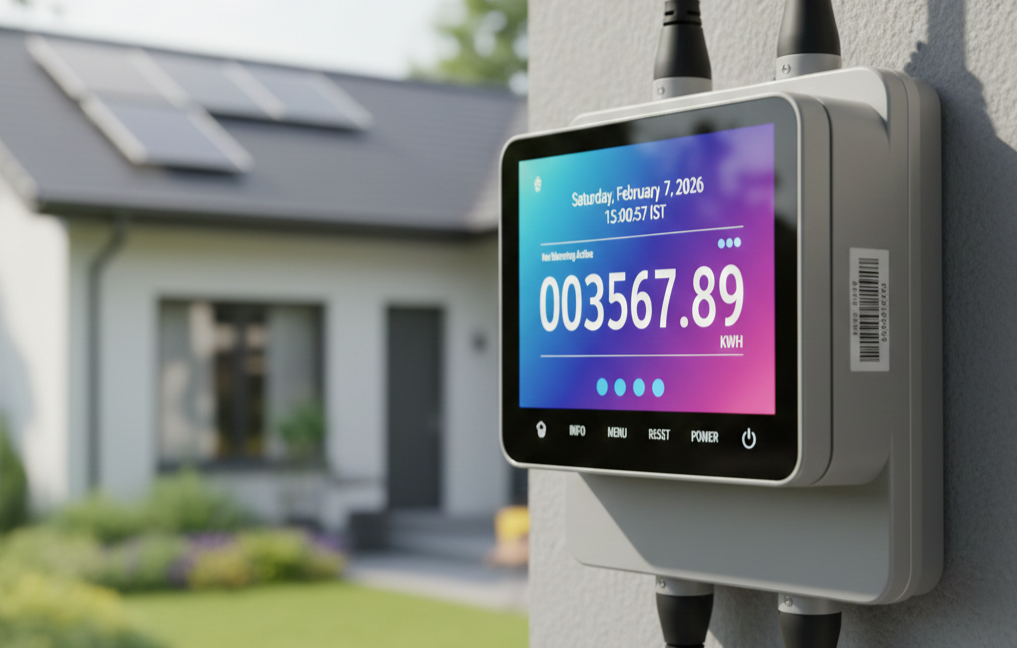
Electricity distribution companies (DISCOMs) face significant challenges with AT&C (Aggregate Technical and Commercial) losses. M2M IoT integration addresses these issues through Advanced Metering Infrastructure (AMI). Smart meters equipped with IoT networking capabilities transmit consumption data to Head-End Systems (HES) and Meter Data Management (MDM) platforms.
Benefits include:
- Detection of energy theft through consumption pattern analysis
- Prepaid electricity options helping consumers budget effectively
- Remote disconnection and reconnection capabilities
- Accurate billing without manual meter reading
Strategic Outlook
M2M IoT SIMs have transformed how businesses manage connected devices globally. Through multi-network roaming, remote management capabilities, and sophisticated IoT networking protocols, enterprises achieve improved uptime while significantly reducing operational costs. The integration with platforms provides centralised control over thousands of devices, enabling applications from smart metering to industrial automation.
Success depends on choosing the right connectivity partner. Platforms must support your specific requirements, whether that’s global coverage for logistics operations or LPWAN capabilities for smart utilities. Consider factors like network diversity, API availability, and security features when evaluating options. Airtel IoT addresses these requirements through its IoTHub platform, delivering secure, scalable connectivity tailored for enterprise IoT deployments.