Share
ShareHow Do Global Connect Solutions Use Underwater Cable Internet to Reduce Latency?
-
 May 27, 2026
 -

 4 min read
How does a business deliver real-time digital services across continents without delays? Global enterprises depend on fast international data transmission to support cloud platforms, applications, and distributed teams. Even minor network delays can disrupt financial systems, analytics platforms, and customer interactions.
Modern global connect solutions rely heavily on underwater cable internet infrastructure to address this challenge. Subsea cable networks provide high-capacity global connectivity and shorter transmission routes, which significantly reduce latency across international digital ecosystems.



g
The Role of Subsea Infrastructure in Global Connectivity
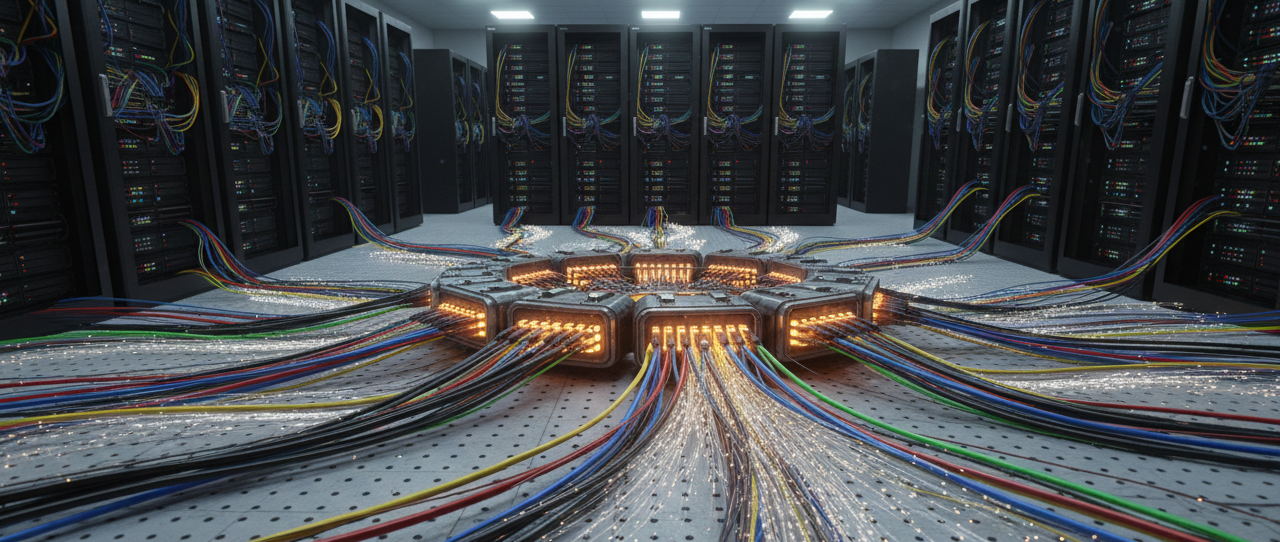
International internet traffic moves primarily through fibre-optic cables installed on the ocean floor. These cables connect continents and major digital hubs.
This infrastructure supports the backbone of underwater cable internet, enabling businesses to transmit data across thousands of kilometres at high speeds.
Primary characteristics of subsea cable networks:
-
Fibre-optic technology capable of transmitting large data volumes
-
Direct links between global data centres
-
Reduced signal delay compared to satellite communication
-
High reliability for enterprise data traffic
For multinational enterprises, this infrastructure supports cloud workloads, video communication, and enterprise applications that require minimal delay.
Why Latency Matters for Global Enterprises
Latency refers to the time required for data packets to travel between two network points. High latency disrupts digital services and slows enterprise systems.
Industries affected by latency:
|
Industry |
Impact of High Latency |
|
Financial services |
Delayed transaction processing |
|
Cloud computing |
Slower application response |
|
E-commerce |
Reduced customer experience |
|
Media streaming |
Buffering and poor playback |
|
Data analytics |
Slower real-time insights |
Advanced global connect solutions aim to reduce latency by optimising international network routes and infrastructure.
How Underwater Cable Internet Reduces Latency
Subsea fibre systems provide a direct and efficient pathway for international data transfer. Several technical elements contribute to lower latency.
1. Shorter Data Routes
Modern cable systems follow optimised ocean routes that connect digital hubs directly.
Benefits:
-
Fewer routing points
-
Reduced transmission distance
-
Faster packet delivery
Shorter routes significantly improve the performance of underwater cable internet networks.
2. High-Capacity Fibre Infrastructure
Subsea cables contain multiple fibre pairs that support massive bandwidth capacity.
Advantages:
-
Large data throughput
-
Support for cloud workloads
-
Stable connectivity for global enterprises
High-capacity infrastructure enables network providers to manage growing global traffic efficiently.
3. Intelligent Traffic Routing
Network providers use routing technologies that distribute traffic across different cable systems.
Routing optimisation enables:
-
Balanced network loads
-
Reduced congestion
-
Faster packet delivery
This architecture strengthens the performance of global connect solutions for international enterprises.
4. Multiple Redundant Cable Paths
Modern connectivity networks rely on multiple subsea routes rather than a single cable path.
Redundant infrastructure provides:
-
Alternative paths during outages
-
Faster traffic rerouting
-
Stable international connectivity
These strategies strengthen the resilience of underwater cable internet systems.
Network Architecture Supporting Global Connectivity
Global connectivity providers combine subsea cables with terrestrial fibre networks and international backbone infrastructure.
Typical architecture components:
-
Submarine fibre-optic cable systems
-
International MPLS networks
-
Global fibre backbones
-
Data centre interconnection points
This integrated architecture allows enterprises to maintain consistent connectivity across multiple regions.
Airtel’s Global Connectivity Infrastructure
Enterprises evaluating international connectivity can check out Airtel Global Connectivity Solutions for advanced global network infrastructure. The platform integrates multiple connectivity layers designed for multinational organisations.
Capabilities available:
-
Global MPLS networks for enterprise communication
-
Subsea cable participation in major international systems
-
High-capacity global fibre backbone
-
Direct connectivity to global data centres
Businesses seeking scalable global connect solutions can partner with Global Connectivity Solutions to build high-performance international networks. The platform provides access to multiple subsea routes, which helps improve global data transmission efficiency.
Emerging Trends in Subsea Connectivity
Subsea cable systems continue to evolve to support rising global data demand.
Notable developments:
-
New transcontinental cable projects
-
Higher fibre pair capacity
-
Improved network monitoring technologies
-
Greater integration with hyperscale cloud networks
These developments further strengthen the capabilities of global enterprise networks.
Faster Global Networks for Enterprises
Low-latency connectivity plays a central role in global digital transformation. Subsea fibre networks create direct and high-capacity data routes across continents. Organisations who need stronger international connectivity should consider modern infrastructure backed by diversified cable systems.
Businesses can opt for Airtel Global Connectivity Solutions to access global fibre networks and advanced routing capabilities. Explore the platform to strengthen international connectivity and improve global digital performance.
FAQs
-
Underwater cable internet uses fibre-optic cables laid across ocean floors to transmit global data traffic between continents at high speeds with minimal signal delay.
-
Global connect solutions rely on subsea cables because they provide faster, more stable international connectivity than satellite networks, which typically experience higher latency.
-
Underwater cables reduce latency by creating shorter transmission routes between continents, reducing the distance data travels and enabling faster communication between global networks.
-
Yes. Subsea cable networks use redundant routes, advanced monitoring systems, and multiple landing stations to maintain stable connectivity for global enterprise data traffic.
-
Industries such as financial services, cloud computing, e-commerce, media streaming, and global technology platforms benefit significantly from faster international data transmission provided by subsea networks.