Share
ShareThe Role of Subsea Cable Networks in Delivering Reliable Global Network Solutions
-
 May 6, 2026
 -

 6 min read
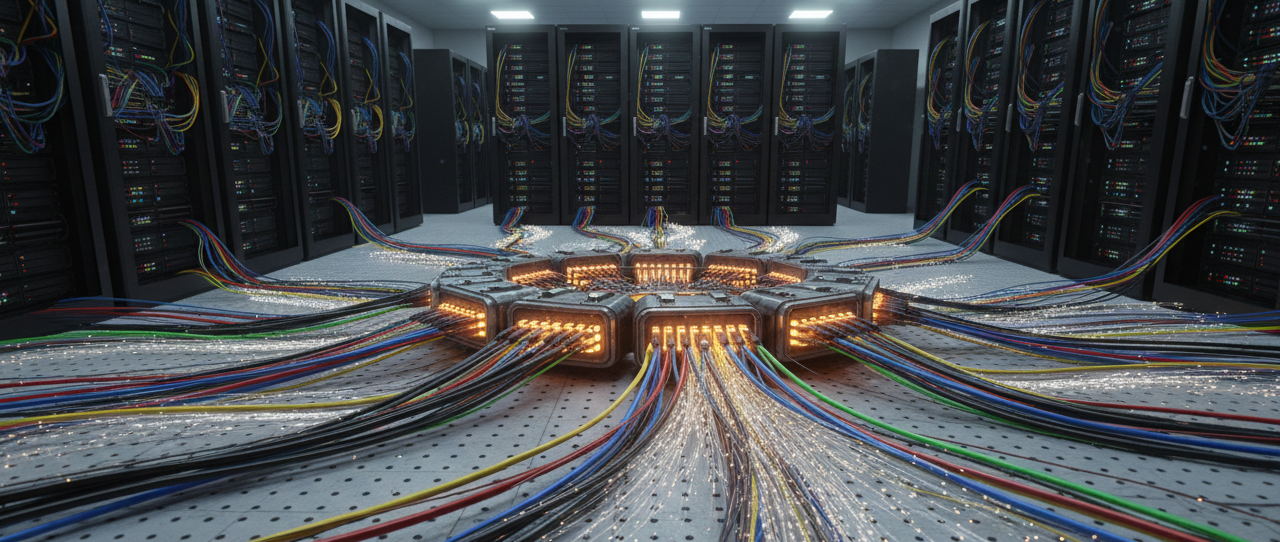
Global enterprises operate in an environment where data must move rapidly and reliably across continents. Cloud platforms, digital applications, and distributed teams depend on uninterrupted connectivity. This demand places subsea infrastructure at the centre of international networking.



A subsea cable network carries most of the world’s data traffic and directly impacts performance, resilience, and scalability. As organisations expand across regions, these systems play a defining role in delivering stable and high-performing global network solutions.
Subsea Infrastructure as the Foundation of Global Connectivity
A subsea cable network forms the backbone of international communication. These fibre optic systems span oceans and connect major economic regions.
They handle the majority of global internet traffic due to their high capacity and low latency. Compared to alternative technologies, subsea systems provide superior performance for enterprise-grade connectivity.
Primary contributions include:
-
High-speed transmission of data across continents.
-
Support for global cloud and application ecosystems.
-
Direct connectivity between international business hubs.
-
Reliable infrastructure for cross-border operations.
The strength of global network solutions is closely linked to the depth and reach of subsea infrastructure.
How a Subsea Cable Network Operates
A subsea cable network is built using advanced engineering and layered design.
Core Elements
-
Fibre optic cables that transmit data as light signals.
-
Repeaters that boost signals over long distances.
-
Landing stations that connect marine cables to land-based networks.
-
Branching units that distribute connectivity across regions.
Design Approach
-
Multiple routing paths to reduce dependency on a single link.
-
Redundant systems to maintain continuity during disruptions.
-
Scalable capacity to meet increasing data demand.
These elements collectively support the efficiency of global network solutions.
Building Reliability Through Subsea Network Design
Reliability is critical for enterprises with international operations. A subsea cable network strengthens reliability through physical diversity and intelligent routing.
Factors Supporting Reliability
-
Route Diversity: Multiple cable paths reduce exposure to disruptions in any single region.
-
Redundancy: Backup routes maintain traffic flow during outages.
-
Advanced Monitoring: Continuous tracking supports faster issue detection.
-
Geographic Spread: Wide distribution reduces concentration risk.
These capabilities enhance global network solutions by maintaining consistent connectivity across geographies.
Latency Reduction and Performance Enhancement
Latency has a direct impact on business performance. A subsea cable network improves latency by providing direct international routes.
Business Impact
-
Faster processing of financial transactions.
-
Improved responsiveness of cloud applications.
-
Better performance for digital platforms.
-
Reduced delay in enterprise communication.
Low-latency infrastructure is essential for high-quality global network solutions, particularly in data-intensive environments.
Supporting Business Continuity Across Regions
Enterprises require stable connectivity to maintain operations across borders. A subsea cable network supports continuity by enabling uninterrupted communication.
Benefits for Organisations
-
Continuous access to global cloud environments.
-
Stable communication between international offices.
-
Reliable delivery of digital services.
Risk Reduction Measures
-
Reduced dependence on terrestrial networks.
-
Protection against regional outages.
-
Faster traffic rerouting during disruptions.
Scaling Infrastructure for Future Demand
The rapid growth of digital services continues to increase data traffic. A subsea cable network supports this expansion through scalable design.
Growth Drivers
-
Increased adoption of cloud computing.
-
Expansion of artificial intelligence workloads.
-
Growth in video streaming and digital platforms.
Future Developments
-
Higher-capacity fibre systems.
-
Improved optical transmission technologies.
-
Closer integration with edge computing.
Integration Across Network Layers
A subsea cable network operates as part of a broader ecosystem. Its integration with terrestrial fibre and data centres enables end-to-end connectivity.
Integration Points
-
Landing stations connecting to national fibre backbones.
-
Data centre interconnections for cloud access.
-
Regional nodes for efficient traffic distribution.
Challenges in Subsea Connectivity
Subsea infrastructure operates in complex environments and faces multiple operational and external challenges that can impact performance and reliability. These challenges require continuous planning and coordinated management across regions.
Common Challenges
-
High deployment and maintenance costs due to specialised equipment and deep-sea operations.
-
Exposure to natural events such as earthquakes, underwater landslides, and harsh ocean conditions.
-
Complex regulatory environments involving multiple countries and jurisdictions.
-
Limited accessibility for repairs, leading to longer restoration timelines.
Mitigation Methods
-
Investment in diverse routing paths to reduce dependency on single cable systems.
-
Collaboration across international partners and consortiums for shared infrastructure resilience.
-
Continuous monitoring using advanced network management tools.
-
Proactive maintenance strategies to detect and address potential faults early.
Effectively managing these factors strengthens the reliability of a subsea cable network and supports stable global network solutions for enterprises operating across international markets.
Aligning Connectivity Choices with Enterprise Needs
Selecting the right connectivity model is essential for long-term performance.
Evaluation Criteria
-
Geographic reach across business-critical regions.
-
Availability of multiple subsea routes.
-
Integration with cloud and data centre ecosystems.
-
Reliability of service and operational support.
Practical Recommendations
-
Prioritise providers with strong subsea cable network participation.
-
Evaluate route diversity rather than single-path connectivity.
-
Assess latency performance for critical workloads.
-
Plan connectivity in line with long-term digital expansion.
Leveraging Airtel’s Subsea-Driven Global Connectivity Capabilities
Airtel has developed a strong international connectivity framework supported by extensive infrastructure investments.
Global Connectivity Solutions is built on a combination of subsea and terrestrial assets. This integrated approach supports enterprises operating across multiple regions.
Infrastructure Strength
-
Participation in multiple global subsea cable network systems.
-
Wide coverage across continents and major markets.
-
Strong domestic fibre presence linked to international routes.
-
Access to multiple global Points of Presence.
Performance Advantages
-
Improved reliability through diversified routing.
-
Reduced latency for performance-sensitive applications.
-
Scalable bandwidth aligned with enterprise growth.
Enterprise Value
-
Stable connectivity for cloud and data centre workloads.
-
Support for cross-border business operations.
-
Enhanced performance for digital platforms.
Airtel Global network connectivity solution aligns well with organisations seeking infrastructure-led global network solutions that prioritise reliability and performance.
Enterprise Applications Powered by Subsea Networks
A subsea cable network supports a wide range of enterprise applications that rely on high-capacity and low-latency connectivity across regions. These networks form the backbone of digital operations for organisations with global footprints.
Common Applications
-
Cloud Connectivity: Enables direct and stable links between global cloud regions, supporting workload mobility and data synchronisation.
-
Content Distribution: Facilitates efficient delivery of video, media, and digital content to geographically dispersed users.
-
Enterprise WAN: Supports secure and reliable communication between international offices and business units.
-
Financial Systems: Provides low-latency connectivity required for trading platforms and real-time analytics.
-
Technology Platforms: Handles large-scale data transfer for applications, platforms, and digital services.
By enabling these use cases, a subsea cable network strengthens global network solutions and allows organisations to maintain performance, reliability, and operational continuity across borders.
Enabling High-Performance Global Operations Through Resilient Connectivity
Subsea infrastructure remains critical for modern enterprise connectivity. A robust subsea cable network supports performance, resilience, and scalability across regions. Organisations must align connectivity choices with long-term digital growth.
For reliable global network solutions, enterprises should partner with infrastructure-focused providers. Opt for Airtel Global network connectivity solution to strengthen international connectivity, improve network performance, and support sustained global expansion.
FAQs
-
A subsea cable network consists of fibre optic cables laid on the ocean floor to transmit data between continents. It supports high-capacity, low-latency communication and forms the backbone of global network solutions used by enterprises, cloud providers, and digital platforms worldwide.
-
A subsea cable network improves reliability through route diversity, redundancy, and distributed infrastructure. Multiple cable paths reduce dependency on a single route, while backup systems maintain connectivity during disruptions. This strengthens global network solutions by supporting uninterrupted data transmission across regions.
-
Low latency reduces the time taken for data to travel between locations. It is essential for real-time applications such as financial trading, cloud computing, and digital services. Subsea cable networks enable direct routing, improving the performance of global network solutions across international markets.
-
Subsea cable networks face challenges such as high deployment costs, environmental risks, regulatory complexities, and repair limitations. These factors can impact performance and maintenance timelines. Addressing these issues is critical for maintaining stable and efficient global network solutions for enterprises.
-
Enterprises should evaluate providers based on network reach, subsea cable network participation, route diversity, latency performance, and integration with data centres. Selecting infrastructure-driven providers helps solidify global network solutions and supports long-term scalability, reliability, and international business operations.