Share
ShareWhat Is a Secure Email Gateway and How Does It Protect Businesses from Email Threats?
-
 August 31, 2026
 -

 8 min read
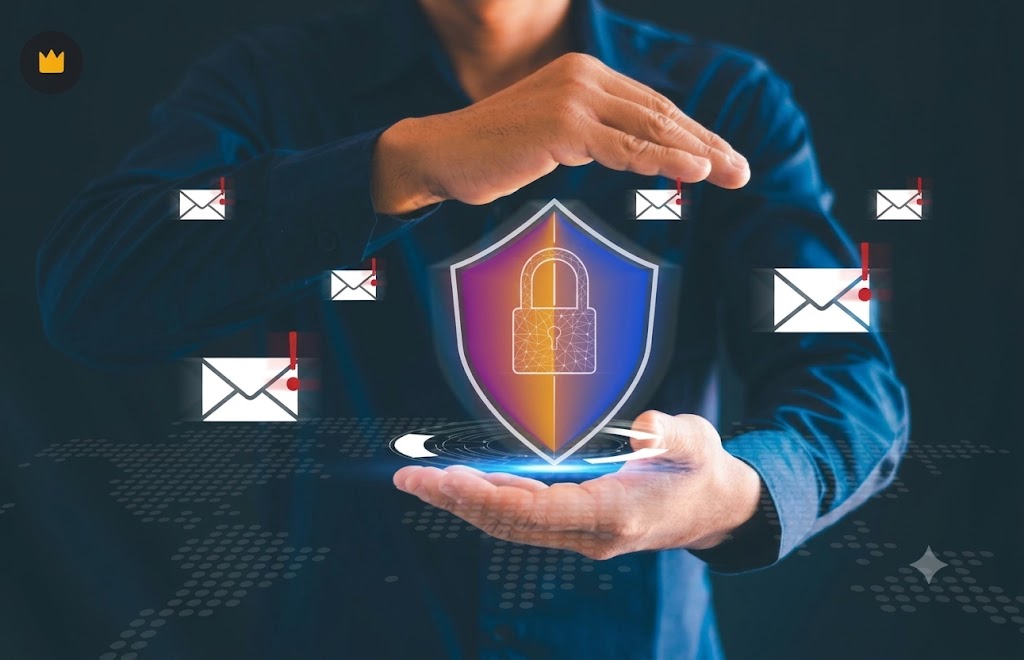
Email drives critical business communication, but it also remains a preferred channel for cyber criminals. Sophisticated phishing campaigns, Business Email Compromise, malicious attachments, and deceptive links can bypass conventional security controls and expose organisations to financial and operational risks. A secure email gateway adds an intelligent layer of protection by inspecting every email before delivery. Advanced capabilities such as AI-driven threat detection, encryption, and data protection help strengthen secure email practices across modern enterprise environments.
Can organisations afford to rely on conventional email protection against today’s sophisticated cyber threats? Email remains the primary communication channel for enterprises. It also attracts attackers who exploit trust through phishing, malware, and impersonation campaigns. A single malicious email can expose confidential information and create significant financial consequences.



Modern organisations require advanced protection that detects threats before they reach employees. A secure email gateway inspects every email through intelligent analysis and security policies. This approach strengthens secure email practices and reduces exposure to evolving cyber risks across enterprise communication.
What is a Secure Email Gateway?
A secure email gateway acts as the first line of defence for enterprise email communication. It examines every inbound and outbound email before delivery. The platform analyses message content, sender reputation, embedded links, attachments, and user behaviour. Suspicious emails receive further inspection or remain blocked according to organisational policies.
Unlike traditional spam filters, a secure email gateway addresses modern cyber threats through multiple inspection techniques. Artificial intelligence, behavioural analysis, threat intelligence, and authentication protocols work together to identify malicious activity. This layered approach improves secure email protection against sophisticated attacks.
A modern platform typically protects organisations through the following capabilities:
-
Phishing detection
-
Business Email Compromise detection
-
Malware analysis
-
URL inspection
-
Attachment sandboxing
-
Email encryption
-
Data loss prevention
-
Email archiving
-
Compliance management
-
Centralised policy administration
Why Email Remains the Primary Cyber Threat for Businesses
Cyber criminals continue to target email because every employee depends on it for daily communication. Attackers exploit human behaviour instead of technical vulnerabilities. This strategy often produces higher success rates than direct network attacks.
Modern phishing campaigns closely resemble legitimate business communication. Attackers imitate executives, suppliers, financial institutions, or internal departments. Employees may unknowingly reveal credentials or approve fraudulent payments.
The most common enterprise email threats are:
|
Email Threat |
Potential Business Impact |
|
Phishing |
Credential theft |
|
Business Email Compromise |
Financial fraud |
|
Malware |
Device infection |
|
Ransomware |
Data encryption |
|
Domain spoofing |
Identity impersonation |
|
QR phishing |
Credential harvesting |
|
Malicious URLs |
Malware downloads |
|
Harmful attachments |
Network compromise |
Attack techniques continue to evolve. Static spam filters often struggle against sophisticated campaigns. Organisations therefore require a secure email gateway that analyses threats through multiple detection methods instead of relying upon signatures alone.
How a Secure Email Gateway Protects Business Communications
A secure email gateway examines every email before delivery. The inspection process evaluates sender identity, message content, embedded links, attachments, and behavioural indicators. Security policies determine whether an email reaches the intended recipient.
Several protection layers operate simultaneously.
|
Protection Layer |
Primary Function |
|
Sender authentication |
Verifies email identity |
|
AI threat analysis |
Detects suspicious behaviour |
|
URL inspection |
Identifies malicious websites |
|
Attachment analysis |
Detects harmful files |
|
Data loss prevention |
Protects confidential information |
|
Email encryption |
Protects sensitive communication |
|
Policy enforcement |
Applies organisational security rules |
This layered approach reduces the likelihood of successful phishing campaigns and malware delivery. It also strengthens secure email practices across departments.
Modern platforms inspect inbound and outbound emails. This capability reduces accidental exposure of confidential business information while improving regulatory compliance.
Email Filtering and Threat Detection
Email filtering extends beyond blocking unwanted messages. Modern platforms analyse every email through several detection engines before delivery.
Inspection techniques include:
-
Artificial intelligence
-
Behavioural analysis
-
Threat intelligence
-
Domain reputation analysis
-
Sender authentication
-
Signature-based detection
-
Heuristic analysis
Protection Against Business Email Compromise
Business Email Compromise represents one of the most financially damaging cyber threats facing enterprises. Attackers impersonate executives, finance teams, suppliers, or trusted partners. Their objective involves manipulating employees into transferring funds or revealing confidential information.
These attacks rarely contain malware. They rely upon deception and social engineering.
Common attack scenarios are:
-
Fake payment requests
-
Fraudulent supplier invoices
-
Executive impersonation
-
Payroll diversion
-
Credential theft
-
Confidential document requests
A secure email gateway detects impersonation attempts through sender authentication, behavioural analysis, and domain validation. These technologies identify subtle differences that employees may overlook.
Advanced platforms also analyse communication history. Unexpected payment instructions or unusual email behaviour receive additional scrutiny before delivery.
Moreover, organisations can opt for Airtel’s Advanced Email Security Services to strengthen enterprise email security with advanced protection against modern email threats and sophisticated phishing attacks.
URL and Attachment Security
Cyber criminals frequently hide malware within attachments and embedded links. These techniques bypass basic email filters through obfuscation and social engineering. Employees may receive invoices, contracts, or delivery notifications that appear legitimate.
A secure email gateway inspects every attachment before delivery. Advanced platforms analyse files within isolated environments. This process identifies malicious behaviour without exposing enterprise systems to risk.
URL inspection provides another important security layer. Attackers often insert harmful links that redirect users to credential theft websites or malware downloads. Modern platforms inspect URLs before delivery and again when users click them. This approach detects threats that become active after an email reaches the inbox.
Important protection capabilities include:
-
Attachment sandboxing
-
URL reputation analysis
-
Click-time URL inspection
-
QR code phishing detection
-
Malware detection
-
Zero-day threat analysis
These capabilities strengthen secure email protection against advanced attacks that evade conventional filtering.
Core Features of a Modern Secure Email Gateway
A modern secure email gateway combines multiple security technologies within a single platform. Each capability addresses a specific threat while contributing to a stronger email security posture.
|
Feature |
Business Value |
|
AI-driven threat detection |
Detects sophisticated attacks |
|
Business Email Compromise detection |
Reduces impersonation risks |
|
URL inspection |
Blocks malicious websites |
|
Attachment sandboxing |
Detects hidden malware |
|
Data loss prevention |
Protects confidential information |
|
Email encryption |
Protects sensitive communication |
|
Email archiving |
Assists regulatory requirements |
|
Threat reporting |
Improves security visibility |
|
Centralised management |
Simplifies policy administration |
Organisations can consider Airtel’s Advanced Email Security Services for stronger enterprise email protection. The platform includes AI-powered threat detection, protection against Business Email Compromise, malicious URL inspection, and attachment analysis.
Benefits of a Secure Email Gateway for Enterprises
A secure email gateway delivers value beyond threat detection. It strengthens operational resilience through consistent security controls and improved visibility.
Main benefits are as follows:
-
Reduces phishing exposure
-
Detects advanced malware
-
Protects confidential information
-
Strengthens compliance programmes
-
Improves email visibility
-
Reduces fraudulent communication
-
Protects executive accounts
-
Simplifies policy management
Modern organisations also gain access to detailed reporting. Security teams can review attack trends, blocked threats, and policy activity through central dashboards. These insights help organisations refine email security strategies over time.
How to Select the Right Secure Email Gateway?
Selecting the right secure email gateway requires careful evaluation of technical capabilities and operational requirements. Organisations should consider the following factors.
Threat Detection
The platform should detect phishing, malware, ransomware, Business Email Compromise, domain spoofing, and zero-day attacks.
Artificial Intelligence
AI-driven analysis improves detection against evolving attack techniques that bypass traditional filtering methods.
Data Protection
The solution should include data loss prevention, email encryption, and policy controls for confidential information.
Compliance Features
Email archiving, audit logs, and retention policies help organisations satisfy regulatory obligations.
Integration
The platform should integrate with major enterprise email environments and existing security infrastructure.
Centralised Administration
A unified management console simplifies policy updates, reporting, and security monitoring. A secure email gateway should align with organisational risk, compliance obligations, and future security requirements rather than current needs alone.
The Role of Managed Email Security Services in Modern Organisations
Many enterprises choose managed email security services because cyber threats evolve rapidly. Internal teams may face resource limitations while responding to sophisticated attacks.
Managed services combine advanced security technologies with continuous monitoring and expert administration. This model helps organisations maintain consistent protection without increasing operational complexity.
Typical managed capabilities include:
-
Continuous threat monitoring
-
Security policy management
-
Threat intelligence updates
-
Incident reporting
-
Compliance reporting
-
Platform optimisation
Managed services also help organisations maintain effective secure email practices through regular policy reviews and ongoing threat analysis.
Strengthen Enterprise Email Security with the Right Strategy
Email threats continue to evolve through phishing, malware, and Business Email Compromise attacks. A secure email gateway protects enterprise communication through advanced threat detection, encryption, policy enforcement, and data protection.
Regular security reviews also help organisations address emerging risks and compliance requirements.
Organisations should adopt a proactive email security strategy that aligns with evolving cyber threats. They can opt for Airtel’s Advanced Email Security Services to strengthen secure email practices with AI-powered threat detection, intelligent protection and enterprise-grade security capabilities.
FAQs
-
A secure email gateway filters inbound and outbound messages, blocks advanced threats, protects sensitive information, and strengthens enterprise email security across organisations consistently.
-
It analyses sender reputation, URLs, attachments, behavioural indicators, and authentication protocols before email delivery to reduce cyber risk significantly across enterprises daily.
-
Yes, modern platforms provide scalable protection that matches organisational growth without excessive administrative complexity or infrastructure changes over time efficiently available today.
-
No, encryption protects message confidentiality while gateway inspection detects malicious content before delivery through layered threat analysis and policy enforcement mechanisms effectively.
-
Regular policy reviews, threat intelligence updates, and employee awareness improve email security resilience against evolving attack techniques and compliance obligations consistently organisation wide.
-
Banking, healthcare, manufacturing, retail, government, and financial services gain stronger protection against targeted phishing campaigns and regulatory risks through advanced controls daily.