Share
ShareWhat Is SOC as a Service (SOCaaS)?
-
 August 31, 2026
 -

 8 min read
Cyber threats can emerge across networks, endpoints, cloud platforms, identities, and applications at any time. SOCaaS provides managed security operations for continuous threat detection, investigation, and response. This blog showcases how SOCaaS works, its major capabilities, operational benefits, and different security models. It also covers important factors enterprises should assess when selecting SOC services for modern digital environments and evolving security requirements.
How can enterprises monitor growing cyber threats without building an extensive security operations centre internally? Modern IT environments span networks, endpoints, cloud platforms, applications, identities, and remote locations. This expanding attack surface creates constant security demands.



SOC as a Service provides continuous security monitoring through specialised technology, threat intelligence, automation, and skilled security professionals.
Modern SOC services help enterprises detect suspicious activity and respond before incidents cause greater damage. The model also gives organisations access to advanced security capabilities without maintaining every SOC resource internally.
What Is SOC as a Service (SOCaaS)?
SOC as a Service is a managed cybersecurity model that provides continuous monitoring, detection, investigation, and incident response. A specialist provider operates security functions through dedicated analysts, technologies, processes, and threat intelligence.
Modern SOC services monitor activity across enterprise networks and digital environments. They correlate security data and investigate suspicious behaviour. Security teams can then respond according to defined incident procedures and service levels.
How the SOCaaS Model Works
SOCaaS collects security telemetry from multiple enterprise systems. Security platforms analyse this information for suspicious activities, anomalies, and known threat indicators.
Automated tools prioritise alerts based on severity and context. Security analysts investigate relevant alerts and initiate appropriate response actions.
The operating cycle generally covers:
-
Security telemetry collection
-
Event correlation and analysis
-
Threat identification and validation
-
Alert prioritisation
-
Incident investigation
-
Threat containment and remediation
-
Reporting and security improvement
Why Do Enterprises Need SOC as a Service?
Cybersecurity operations have become difficult to manage through isolated security tools. Enterprises often operate across data centres, cloud platforms, branch networks, endpoints, and remote working environments.
Attackers can exploit vulnerabilities across any part of this infrastructure. Continuous monitoring has therefore become important for organisations with large or distributed technology environments.
Expanding Attack Surfaces
Cloud adoption, connected devices, remote access, and digital applications create additional attack paths. Security teams must monitor activity across these environments continuously.
SOC services centralise security information from different sources. Analysts can correlate events across systems rather than investigate isolated alerts.
Cybersecurity Skills and Resource Requirements
Operating an internal SOC requires security analysts, threat hunters, incident responders, forensic specialists, and security engineers. Recruiting and retaining these professionals can require significant investment.
SOCaaS provides access to specialised expertise through a managed operational model. Enterprises can extend internal security capabilities without creating every function from the ground up.
What Capabilities Does SOCaaS Provide?
SOCaaS combines technology, human expertise, threat intelligence, and defined security processes. Its capabilities extend beyond basic alert monitoring.
24/7 Threat Monitoring and Detection
Continuous monitoring analyses enterprise security telemetry throughout the day. Modern SOC services examine events across network traffic, endpoints, cloud systems, identities, and other security sources.
Advanced analytics can identify suspicious patterns that isolated security products might overlook.
Managed Detection and Response
Managed Detection and Response connects threat detection with investigation and response. Analysts examine alerts and determine whether suspicious activity represents an actual security incident.
Response actions depend on established procedures and the severity of the incident.
Threat Hunting and Intelligence
Threat hunting searches proactively for malicious activity that may not trigger conventional alerts. Analysts can develop hypotheses based on attacker techniques and observed behaviour.
Threat intelligence adds context about malicious infrastructure, indicators, campaigns, and attack methods. Behavioural analytics can further identify unusual activities within enterprise environments.
Extended Detection and Response
XDR connects security information across multiple domains. These domains can cover endpoints, networks, cloud platforms, identities, and email environments.
Cross-domain correlation can expose attack patterns that remain difficult to identify through isolated security tools.
Incident Response and Digital Forensics
Incident response manages activities after a confirmed security event. Security professionals investigate the incident and determine its scope.
Digital forensics examines affected systems and evidence. The process can establish attack paths, compromised assets, attacker actions, and incident timelines.
Vulnerability Management
Security operations can also identify weaknesses across enterprise assets. Vulnerability assessment helps organisations prioritise remediation according to risk and exposure.
This capability connects preventive security activities with continuous detection operations.
Security Reporting and Compliance
SOCaaS platforms can provide security dashboards, incident reports, service metrics, and audit records. These records help security leadership evaluate operational performance.
Reporting can also assist enterprises with regulatory assessments and internal governance requirements.
How Does SOCaaS Detect and Respond to Cyber Threats?
Effective SOC services follow a structured process from telemetry collection through incident remediation. Automation and analysts perform different roles throughout this lifecycle.
Telemetry Collection
Security operations collect data from relevant technology environments. Sources can cover firewalls, endpoints, network infrastructure, cloud workloads, identity platforms, and security applications.
Centralised telemetry creates broader visibility across enterprise infrastructure.
Threat Correlation and Analysis
Security technologies analyse events for indicators, anomalies, and behavioural patterns. Correlation connects related activities across different systems.
Machine learning can help classify alerts and identify patterns across large event volumes.
Alert Investigation and Prioritisation
Not every security alert represents an active attack. Analysts investigate alerts and evaluate available contextual information.
Priority levels can reflect asset importance, threat severity, attack behaviour, and potential organisational impact.
Containment and Remediation
Confirmed threats require appropriate response actions. Depending on the incident, actions may isolate affected systems or block malicious connections.
Security teams can then investigate root causes and address affected assets through established response procedures.
SOCaaS vs Traditional SOC vs MDR
Organisations can structure security operations through several models. The appropriate model depends on existing resources, infrastructure, security maturity, and operational requirements.
|
Area |
SOCaaS |
Traditional In-House SOC |
MDR |
|
Operating model |
Managed externally |
Managed internally |
Managed detection-focused model |
|
Monitoring |
Continuous |
Depends on internal staffing |
Continuous |
|
Infrastructure requirement |
Lower internal requirement |
Significant internal infrastructure |
Moderate |
|
Security expertise |
Provider-led |
Internal specialists |
Provider-led |
|
Threat hunting |
Common capability |
Depends on internal maturity |
Strong focus |
|
Incident response |
Broad operational coverage |
Internal process |
Detection and response focused |
|
Scalability |
Flexible |
Requires additional resources |
Flexible |
SOCaaS generally provides broader security operations than a detection-focused MDR service. An internal SOC gives enterprises greater direct control but requires significant people and technology resources.
What Business Benefits Can SOCaaS Deliver?
SOCaaS can strengthen cybersecurity operations while reducing the burden associated with building every security capability internally.
Faster Threat Detection
Continuous monitoring can identify suspicious activity earlier. SOC services combine automated analytics with analyst investigation to accelerate detection and prioritisation.
Faster investigation can limit the time attackers remain active within enterprise environments.
Access to Cybersecurity Expertise
Managed security operations provide access to professionals across different security disciplines. Enterprises can draw on threat analysts, hunters, responders, and forensic specialists when required.
Greater Security Visibility
Centralised monitoring can connect information across different technology environments. This approach helps reveal relationships between security events across networks, endpoints, cloud workloads, and identities.
Predictable Security Operations
Building an internal SOC requires investment in recruitment, training, infrastructure, licences, and operational management. SOCaaS converts several responsibilities into a managed service model.
Scalable Security Capabilities
Security requirements can change as organisations expand infrastructure or adopt new technologies. Managed SOC services can adapt monitoring capabilities as digital environments evolve.
What Should Enterprises Assess When Selecting a SOCaaS Provider?
Provider selection should consider technical capabilities alongside operational and regulatory requirements.
Network and Security Visibility
The provider should demonstrate visibility across relevant enterprise environments. Network-level telemetry can provide valuable information before threats reach individual endpoints.
Threat Intelligence Capabilities
Threat intelligence should provide current information about attacker infrastructure, tactics, and indicators. Regional intelligence can also add context for organisations facing geography-specific threats.
Technology Integration
A SOCaaS platform should work with existing enterprise security technologies. Compatibility reduces unnecessary technology replacement and helps organisations use current security investments.
Incident Response Expertise
Enterprises should examine incident investigation, containment, forensics, and remediation capabilities. Response procedures should define responsibilities during serious incidents.
Data Sovereignty and Regulatory Requirements
Organisations in regulated sectors may have strict requirements concerning security data and analyst access. Data location and operational jurisdiction therefore require careful assessment.
Service-Level Metrics
Relevant metrics can cover detection speed, response time, incident severity, escalation procedures, and reporting frequency. Defined measurements help enterprises evaluate security operations objectively.
Strengthening Enterprise Cyber Defence with Airtel Secure SOC
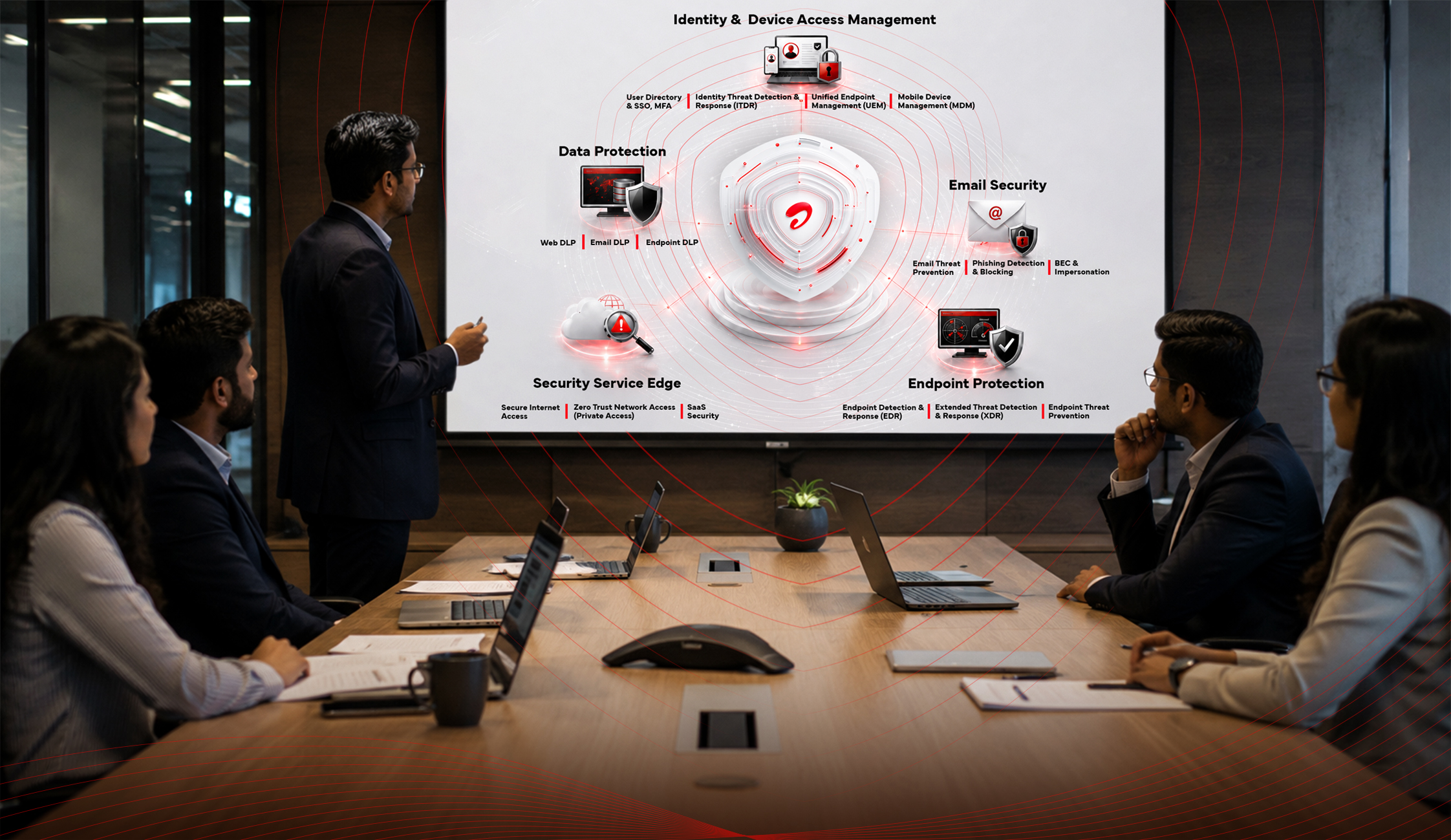
Airtel Secure SOC strengthens security operations through network-native visibility, continuous monitoring, advanced analytics, and specialist expertise. It monitors threats across networks, endpoints, cloud environments, identities, and email systems.
Its capabilities cover:
-
24/7 monitoring: Tracks suspicious activity across enterprise environments.
-
MDR: Detects, investigates, and responds to potential threats.
-
Threat hunting: Identifies hidden threats through proactive analysis.
-
XDR: Correlates security data across multiple technology domains.
-
Incident response: Manages containment, investigation, and digital forensics.
Enterprises can use these capabilities to strengthen detection and accelerate responses across complex infrastructures.
Move Towards Proactive Security Operations with SOCaaS
SOCaaS strengthens enterprise security through continuous monitoring, threat hunting, incident response, XDR, analytics, and specialist expertise. Organisations should assess network visibility, integrations, threat intelligence, data sovereignty, response capabilities, and service metrics before selecting a provider.
For network-native security operations and India-based delivery, enterprises can opt for Airtel Secure SOC. Its managed capabilities help address evolving threats across complex digital environments.
FAQs
-
Deployment timelines vary by infrastructure complexity, integration requirements, data sources, and security policies established across the organisation’s technology environment.
-
SOCaaS can integrate with compatible security technologies, helping organisations retain established investments while centralising security operations and event analysis.
-
SOCaaS uses correlation, contextual analysis, automation, and analyst validation to filter false positives and prioritise credible security incidents effectively.
-
SOCaaS can monitor hybrid and multi-cloud environments by collecting relevant telemetry across cloud workloads, applications, identities, and connected infrastructure.
.
-
Enterprises can track detection times, response times, escalation rates, incident volumes, threat severity, and service-level performance against defined benchmarks.
-
SOCaaS can adapt monitoring capacity as enterprises add users, locations, workloads, devices, applications, and infrastructure across expanding digital environments.