Share
ShareWorkforce Security Is No Longer About Protection. It’s About Visibility.
-
 July 30, 2026
 -

 6 min read
The lines of the contemporary workforce are blurred. Employees travel from office locations, homes, and customer sites and operate across cloud environments. They also access applications and data from multiple devices throughout the day. At the same time, businesses are adopting new collaboration tools, cloud platforms and digital workflows to drive productivity and growth. This has led to a workforce environment that is better connected than ever before, but also much more complicated to secure.
“The problem for security leaders is not a lack of information. Most organisations already have a lot of data across endpoints, identities, applications, email systems and access environments. The challenge is making sense of that information. Signals are available across many platforms and tools, but often disconnected from each other, making it difficult to identify emerging risks, understand their consequences and respond with confidence.



Modern threats are increasingly operating in trusted environments.
Traditional security models were based on the assumption that malicious activity is suspicious-looking. Unusual logins, unknown devices and unauthorised applications were often clear indicators of risk. That assumption is no longer true.
Many of today’s threats live within trusted environments. Today, attackers are increasingly turning to legitimate credentials, compromised identities, approved applications and behaviours that look normal on the surface. A user account can be used to access sensitive data from a trusted device. A legitimate application may be the vehicle for exfiltrated information. What seems to be a simple task can actually be the first step in a more extensive compromise.
As trust boundaries continue to shift, organisations need to look beyond individual events to understand the relationships among users, devices, identities, and applications to identify risk. So security is moving towards context rather than just anomaly detection.
Risk is Hard to Understand Because of Fragmented Visibility
Over the years, most enterprises have invested in multiple security technologies. Endpoint protection. Identity management. Email security. Access controls. Monitoring platforms and cloud security tools all spit out useful information. However, these systems are often disconnected from each other.
The result is fractured visibility. Security teams are alerted by a variety of platforms, each providing only a partial view of what’s happening. Analysts might see something odd in one environment and not know what it implies for what is happening elsewhere. Alert fatigue is a real problem. When you have so much disconnected information, important signals can get lost in the noise, creating blind spots for operations teams.
This breakup also adds to the complexity. Security teams spend a lot of time bouncing between consoles, manually correlating events and assembling information from multiple systems. As workforce environments become more distributed, these operational problems become more difficult to manage.
The problem is not that organisations lack visibility. The thing is, visibility is often bits and pieces, and it’s hard to tell the meaningful signals amidst background noise.
Unified Visibility Sets The Stage For Better Security Decisions
To protect the current workforce, you need a connected view of the entire workforce environment. Organisations require visibility into users, identities, devices, applications, data, and access points – and the context to understand how these elements interact.
Unified visibility changes the way security operations are performed. Rather than seeing events in isolation, security teams can see relationships between signals and detect patterns that would otherwise go undetected. Identity events can be combined with endpoint activity. User behaviour and device posture can be used to evaluate application access. What may seem like innocuous signals can have meaningful risk when put into context.
This connected view enables you to make faster, more informed decisions. Security teams have greater insight into workforce activity, less uncertainty and an improved ability to prioritise responses based on commercial context.
As the pace of workforce transformation accelerates, unified visibility is no longer an optional feature, but a business imperative.
Visibility alone will not do. And even when an enterprise has access to abundant information, it may still be difficult to determine what requires attention.
The ability to read context is becoming just as important. Contextual intelligence allows organisations to evolve from seeing activity to interpreting its significance. It enables security teams to identify the signals that represent actual risk, the related events, and the activities that need to be acted on now.
This helps make risk management more effective by allowing organisations to focus resources where they are most needed. Security teams can more confidently triage incidents, spend less time chasing low-value alerts and respond more effectively to threats operating within trusted environments.
Importantly, contextual intelligence additionally enhances business resilience. “Organisations that have visibility into risk across users, devices, applications and business operations will be better able to sustain productivity while improving security outcomes.”
Workforce Security Requires A Unified, Managed Approach
As workforce environments become increasingly distributed, more tools don’t necessarily translate into better protection. In many cases, it adds complexity and creates more disconnected information.
A more sustainable approach is to consolidate workforce security capabilities into a single, unified framework that simplifies management while also improving visibility and response. This requires an operating model that links insights across the workforce ecosystem and provides organisations with a coordinated view of risk.
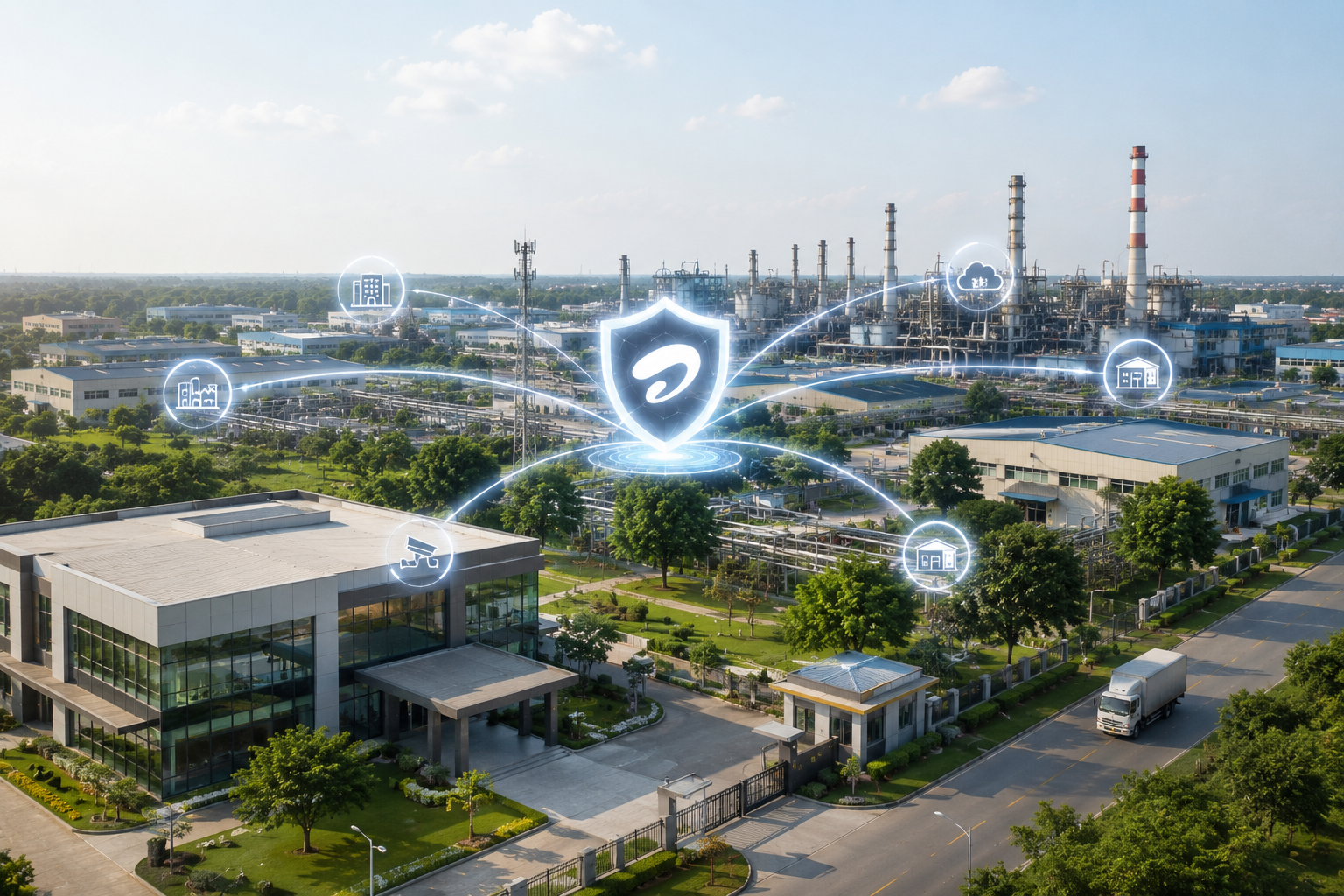
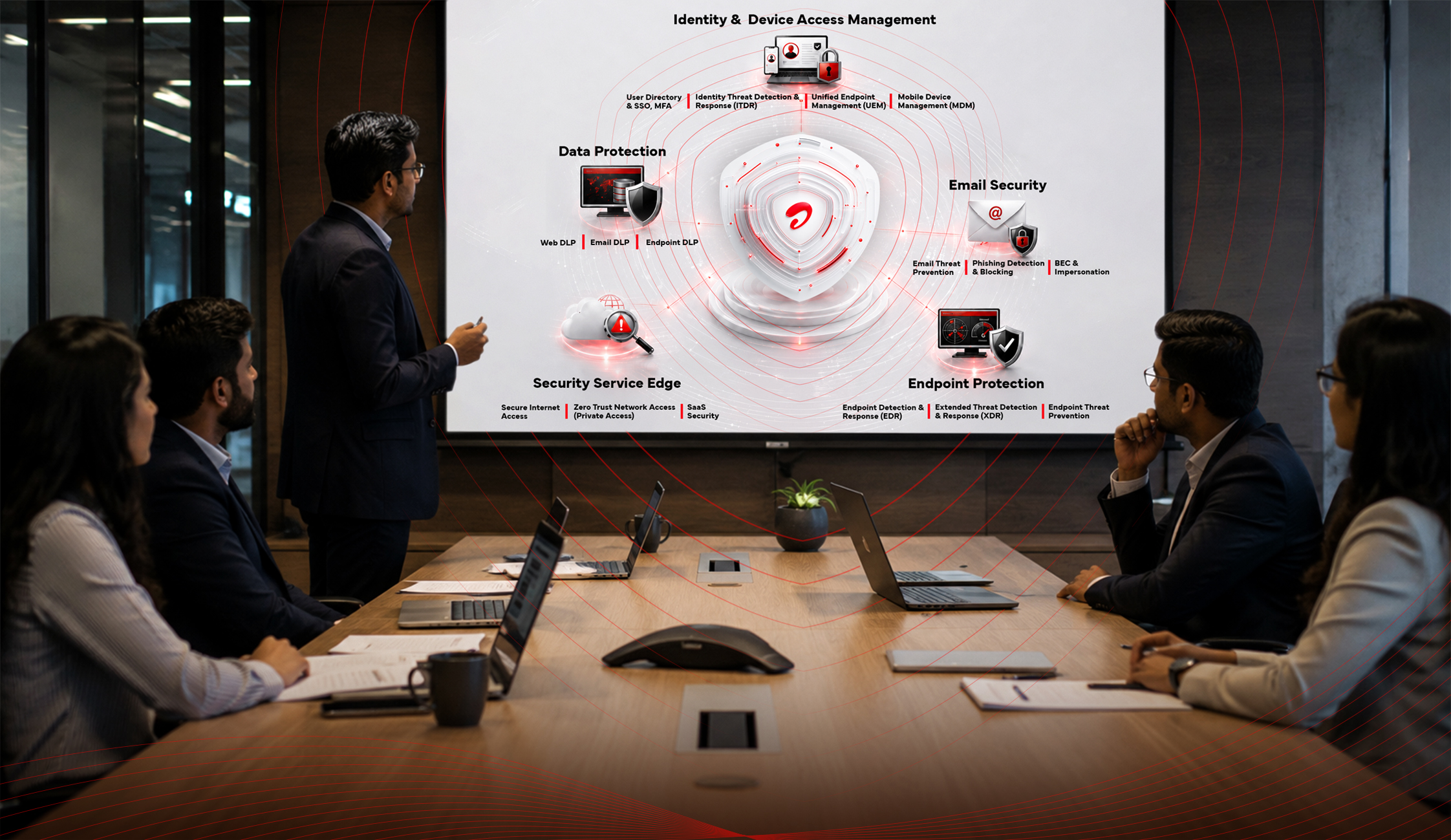
This is the principle on which Airtel Secure Workforce is based. It provides a single framework that offers visibility across users, devices, identities, applications and data, while helping organisations better understand and respond to workforce risk. Airtel Secure Workforce brings workforce security capabilities into a managed environment, helping organisations move beyond siloed tools and disparate insights to unified protection.
Airtel Secure Workforce helps organisations consolidate security without sacrificing control, built around a single framework, backed by a single SLA, a single dashboard, and a unified operating experience. It also reduces operational complexity, enhances visibility and response capabilities, and provides the resilience required for enterprise-scale workforce transformation.
The future of workforce security: look beyond the obvious
The biggest workforce risks are beginning to look real. They work using trusted identities, approved apps, recognised devices and normal-looking activity. Against this backdrop, the ability to differentiate signal from noise has emerged as one of the defining demands of modern security operations.
Organisations that can see into their workforce environments and understand risk in context will be better positioned to make informed decisions, improve resilience and confidently support transformation initiatives. “Workforce security is no longer just about more information gathering. It’s about knowing what the information means and responding to it with clarity.”
The future of secure workforce transformation lies with those organisations that can see beyond the obvious.
Modern threats increasingly operate within trusted environments. This article examines why unified visibility and contextual intelligence are becoming foundational to secure workforce transformation.
© 2026 Airtel Business. All rights reserved.