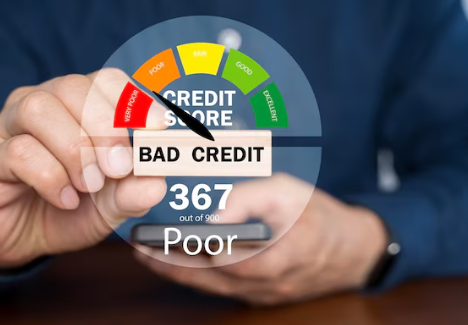
| Overview: Many individuals in India face challenges in securing a credit card without an existing credit score. Yet, options exist for beginners, salaried individuals, and even those with limited history. This blog discusses the practical ways to get a credit card without a CIBIL score and steps to build financial credibility. |
About Credit Cards and CIBIL Score in India
India’s credit ecosystem heavily depends on CIBIL scores, a three-digit number ranging from 300–900. A higher score indicates better repayment behaviour, making lenders more willing to extend credit. According to reports, nearly 80% of credit approvals in India go to applicants with a score above 750. But what if you don’t have a score at all?
Not having a CIBIL score is common among young professionals, students, or those who have never borrowed before. While this may feel like a setback, several alternatives exist to still get approved for a credit card.
Practical Ways to Get a Credit Card Without CIBIL Score
Even without a credit history, there are multiple reliable paths to secure your first credit card in India.
1. Secured Credit Cards
Secured credit cards are backed by a fixed deposit (FD). The issuing bank uses the FD as collateral, making approval easier.
- You can start with a deposit as low as ₹10,000–₹20,000.
- Banks like SBI, ICICI, and Axis offer such cards.
- Regular repayment builds your CIBIL score.
2. Add-On Credit Cards
Becoming an add-on cardholder under a family member’s account can help. While the primary cardholder bears responsibility, you get exposure to credit usage, building early experience.
3. Salary Account-Based Offers
Banks often provide credit cards to salaried customers even without a credit score. They check salary credits, employer reputation, and account history instead of CIBIL.
4. Pre-Approved Cards from Fintechs
New-age fintech companies in India sometimes extend low-limit credit cards based on digital transactions or UPI usage. These options help users enter the credit system.
| What You Must Know: Using even 30% of your limit helps keep your score healthy. |
Minimum Required CIBIL Score
For most standard unsecured credit cards in India, a score of 700 or above is considered favourable. Premium cards may require 750+, while some entry-level cards accept applicants with 650–700.
Here’s a quick comparison:
| Type of Card | Typical Minimum CIBIL Score | Approval Chances |
| Premium Credit Cards | 750+ | High |
| Mid-Tier Credit Cards | 700–749 | Moderate–High |
| Entry-Level Credit Cards | 650–699 | Moderate |
| Secured Credit Cards | Not required | Very High |
For applicants with no history at all, banks usually consider:
- Income proof
- Employment stability
- Existing banking relationship
The Airtel Axis Bank Credit Card Advantage
While many cards rely on CIBIL scores, some offer flexible eligibility. The Airtel Axis Bank Credit Card comes with benefits that make it attractive even for beginners.
Key Benefits
- 25% cashback on Airtel services like prepaid, Postpaid, broadband, and DTH.
- 1% cashback on all other spends.
- Low annual fee of ₹500 (waived with annual spends above ₹2 lakh).
Tips for Applying Without CIBIL Score
To improve chances of approval when you apply for a credit card without CIBIL score:
- Maintain a healthy bank balance and consistent salary credits.
- Apply at the same bank where you hold an account.
- Start with a secured or co-branded card.
- Avoid multiple applications.
For deeper insight, see how a new credit card affects the score.
| Mistakes to Avoid: Don’t apply for too many cards at once—it lowers approval chances. |
Building Credit History After Getting a Card
Once approved, building a CIBIL score becomes essential for future financial products like loans and higher-limit cards.
- Pay bills on time and in full.
- Keep credit utilisation below 30%.
- Monitor your CIBIL report regularly.
Over 6–12 months of disciplined usage can help push your score upwards of 700, opening the door to premium products. You may also want to check factors that determine credit score.
Secured Vs Unsecured Credit Cards
Choosing between secured and unsecured credit cards depends on your credit history, financial stability, and long-term goals.
| Feature | Secured Credit Card | Unsecured Credit Card |
| Backed by Collateral | Yes (FD required) | No |
| Eligibility Requirement | Low | Moderate–High (CIBIL score) |
| Credit Limit | Based on FD | Based on income & score |
| Best For | Beginners, no credit score | Experienced borrowers |
Credit Card for Low CIBIL Score Applicants
If you already have a low score, don’t lose hope. Banks and fintechs are offering products designed for recovery.
Options include:
- Credit builder cards with low annual fees.
- Cards with lower initial limits but gradual increases.
- Cards offered against salary accounts.
Using these responsibly helps move from “credit card for low CIBIL score” status to a healthier profile. Also, learn about common credit card charges to avoid unnecessary penalties.
Conclusion: Turning No Score Into New Opportunities
Getting a credit card without a CIBIL score in India is not only possible but also a practical way to build financial credibility. Options such as secured cards, salary-account-linked cards, or co-branded products provide entry into the credit system. With responsible usage, you can quickly move towards a higher score and access premium benefits.
For individuals who want everyday savings, low fees, and cashback on essential services, the Airtel Axis Bank Credit Card is an excellent choice. It combines affordability with real-world benefits for both new and experienced users.
FAQs
Q1. Can I get a credit card without a CIBIL score?
Yes, you can. Options include secured credit cards, salary-account-based cards, and fintech-backed beginner-friendly credit products.
Q2. What is the minimum CIBIL score for a credit card?
Most banks prefer 700+, but some entry-level cards accept applicants with 650 or higher scores. Secured cards need none.
Q3. How does a secured credit card work?
It is issued against a fixed deposit. Your deposit acts as collateral, making approval simple for applicants without history.
Q4. Can students apply for a credit card without a CIBIL score?
Yes, students can get add-on cards, secured cards against deposits, or fintech-issued beginner cards without CIBIL score requirements.
Q5. How can I improve my CIBIL score after getting a card?
Pay bills on time, maintain low credit utilisation, and use your card responsibly to steadily build a healthy CIBIL score.