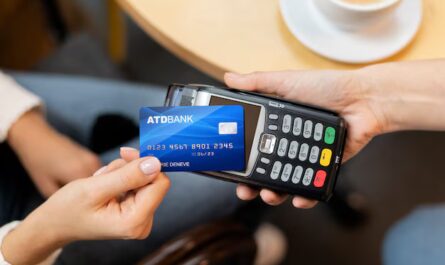
Congratulations on deciding to take your first step into the world of credit cards! A credit card can be a powerful financial tool, offering convenience, security, and rewards. However, it’s crucial to understand the responsibilities that come with owning a credit card. In this beginner’s guide to credit cards, we’ll walk you through the essentials of what to know before getting your first credit card.
Credit cards are a type of revolving credit that allows you to borrow money up to a predetermined limit. When used responsibly, credit cards can help you build a strong credit history, which is essential for future financial milestones like getting a personal loan, buying a car, or even securing a home loan.
Understanding Credit Card Basics
Wondering what to know before getting a credit card? Before diving into the world of credit cards, it’s essential to understand some key terms and concepts:
- Credit Limit: This is the maximum amount you can charge on your card, determined by factors like your income, credit history, and debt-to-income ratio.
- Annual Percentage Rate (APR): The APR is the interest rate you’ll pay on outstanding balances. It’s important to note that different types of transactions (e.g., purchases, cash advances, and balance transfers) may have different APRs.
- Grace Period: This is the time between your statement closing date and the payment due date. If you pay your balance in full during this period, you can avoid paying interest on purchases.
- Minimum Payment: This is the smallest amount you must pay each month to keep your account in good standing. However, paying only the minimum can lead to high interest charges over time.
Choosing the Right Credit Card
With numerous credit card options available, it’s crucial to select one that aligns with your financial goals and spending habits. Here are some factors to consider:
- Rewards: Look for a card that offers rewards on purchases you frequently make, such as cashback on groceries or points for travel.
- Fees: Pay attention to annual fees, foreign transaction fees, and other charges that can add up over time.
- Interest Rates: If you plan to carry a balance, opt for a card with a lower APR to minimise interest charges.
- Credit Score Requirements: Different cards have varying credit score requirements. As a first-time user, you may need to start with a secured credit card or a card designed for those with a limited credit history.
Card Type |
Description |
Credit Score Requirement |
|
Secured Credit Card |
Requires a security deposit equal to the credit limit |
No credit history or low credit score |
|
Student Credit Card |
Designed for college students with limited credit history |
Limited or no credit history |
|
Rewards Credit Card |
Offers points, miles, or cashback on purchases |
Good to excellent credit score |
Building Credit with Your First Card
One of the primary benefits of getting a credit card is the opportunity to build a strong credit history. Here are some tips for first-time credit card users to help you establish a solid credit foundation:
- Make Timely Payments: Consistently making on-time payments is the most significant factor in determining your credit score. Set up automatic payments or reminders to ensure you never miss a due date.
- Keep Your Balance Low: Aim to use no more than 30% of your available credit limit. High credit utilisation can negatively impact your credit score.
- Monitor Your Credit: Regularly check your credit report for errors or signs of fraudulent activity. You can access your free credit report annually from each of the three major credit bureaus.
- Avoid Applying for Too Many Cards: Each time you apply for a credit card, a hard inquiry is made on your credit report, which can temporarily lower your score. Stick to applying for one card at a time.
Managing Your Credit Card Responsibly
Once you have your first credit card, it’s essential to use it wisely to avoid falling into debt. Follow these tips for first-time credit card users for responsible credit card management:
- Create a Budget: Track your income and expenses to ensure you’re not overspending.
- Pay More Than the Minimum: Whenever possible, pay your balance in full each month to avoid interest charges.
- Avoid Cash Advances: Cash advances often come with high fees and begin accruing interest immediately.
- Use Your Card for Needs, Not Wants: Resist the temptation to overspend on discretionary purchases.
- Keep Your Card Secure: Always keep your credit card in a safe place, and never share your PIN or card information with others.
Leveraging Airtel Finance for Your Credit Journey
As you embark on your credit card journey, Airtel Finance can be a valuable partner. With the Airtel App, you can easily access your credit score, track your progress, and explore personalised credit card offers.
Getting your first credit card is an exciting milestone, but it’s crucial to approach it with knowledge and responsibility. This beginner’s guide to credit cards contains tips for first-time credit card users, which will help you to understand credit card basics, choose the right card, and manage your credit wisely; you can lay the foundation for a strong financial future. Remember, your credit score is a reflection of your financial health, and every positive action you take today can have a significant impact on your tomorrow.
FAQs
- What is the importance of paying credit card bills on time?
- How can I avoid overspending with my credit card?
- What should I do if I can’t pay my credit card bill?
- How can I maximise rewards with my credit card?
- What is a credit utilisation ratio, and why does it matter?
Paying credit card bills on time is crucial for maintaining a good credit score. Late payments can result in penalties, higher interest rates, and negative marks on your credit report, which can affect your ability to secure loans or credit in the future.
To avoid overspending, create a budget and stick to it. Track your expenses regularly, and only use your credit card for planned purchases. Avoid impulse buys and always pay your balance in full each month to prevent high-interest debt from accumulating.
If you’re unable to pay your credit card bill, contact your card issuer immediately. They may offer hardship programs, payment plans, or temporary relief options to help you manage your debt. Ignoring the problem will only lead to more significant financial challenges.
To maximise rewards, choose a card that aligns with your spending habits and offers the best returns on your most frequent purchase categories. Use your card for everyday expenses, pay your balance in full each month, and redeem your rewards regularly to avoid expiration or devaluation.
The credit utilisation ratio is the amount of credit you’re using compared to your total available credit. It’s a significant factor in determining your credit score. Aim to keep your utilisation below 30% to demonstrate responsible credit management and maintain a healthy credit profile.