The credit card has come a long way since its inception, evolving from a simple metal plate to a sophisticated financial tool. This journey is a testament to the power of innovation and the ever-changing landscape of consumer finance. Let’s take a closer look at the evolution of credit cards and how they’ve transformed the way we pay.
The Early Days of Credit Cards
The concept of credit dates back centuries, but the evolution of modern credit cards as we know them emerged in the early 20th century. In 1914, Western Union introduced metal charge plates, which were widely used by retailers as a form of “metal money” by the 1930s. These early credit cards were limited to specific merchants and required the customer to pay their balance in full each month.
It wasn’t until 1950 that Diners Club introduced the first general-purpose charge card. This card allowed customers to make purchases at a variety of restaurants and pay their bills later. The success of the Diners Club card paved the way for other major players, such as American Express and Bank of America, to enter the market in the late 1950s.
The Introduction of Magnetic Stripes
In 1969, IBM introduced magnetic stripes on credit cards, revolutionising the way transactions were processed. This technology allowed for the storage of customer information on the back of the card, making transactions faster and more secure. The magnetic stripe became the standard for credit cards for decades to come.
Here’s a quick comparison of credit cards before and after the introduction of magnetic stripes:
| Feature | Before Magnetic Stripes | After Magnetic Stripes |
| Processing Time | Slow, manual | Fast, automated |
| Security | Low, easily counterfeited | Improved, harder to counterfeit |
| Information Storage | Limited, embossed on card | Expanded, stored on magnetic stripe |
The Rise of Rewards and EMV Chips
As credit cards became more widespread, issuers began to offer rewards programs to entice customers. In 1984, Diners Club introduced the first rewards program, Club Rewards, which allowed cardholders to earn points for their purchases. This concept quickly caught on, with other issuers following suit.
In the 1990s, a new technological advancement in credit cards emerged to combat the growing problem of credit card fraud: EMV chips. Developed by Europay, Mastercard, and Visa, these chips offered enhanced security features compared to traditional magnetic stripes. EMV chips generate a unique code for each transaction, making it much harder for fraudsters to counterfeit cards.
Consider this example of how EMV chips have reduced fraud:
- Merchant A uses traditional magnetic stripe readers. They experience a fraud rate of 0.1%, with an annual transaction volume of ₹10 crore. Their annual fraud losses amount to ₹1 lakh.
- Merchant B upgrades to EMV chip readers. They experience a fraud rate of 0.01%, with the same annual transaction volume of ₹10 crore. Their annual fraud losses are reduced to ₹10,000.
The Dawn of Contactless Payments
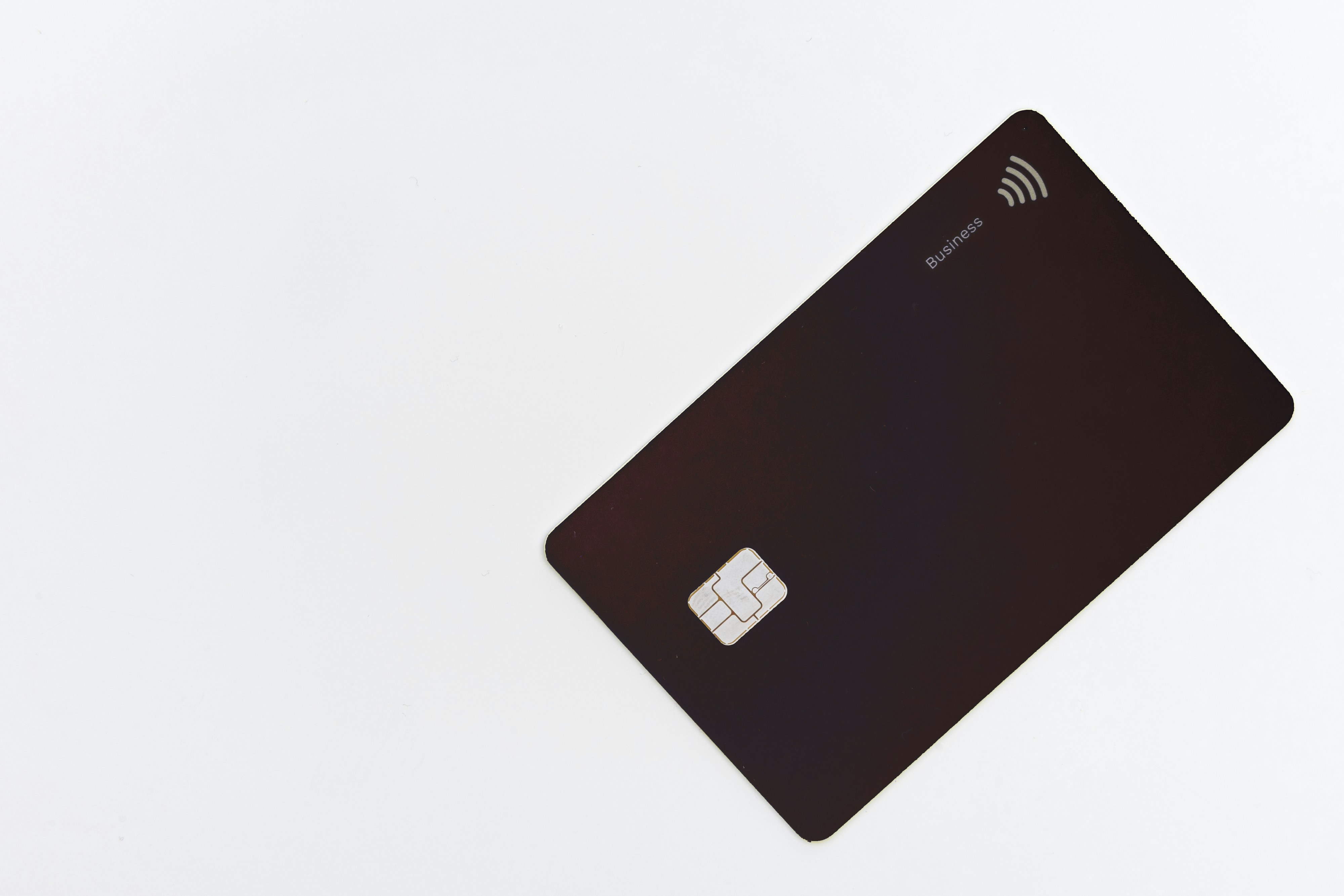
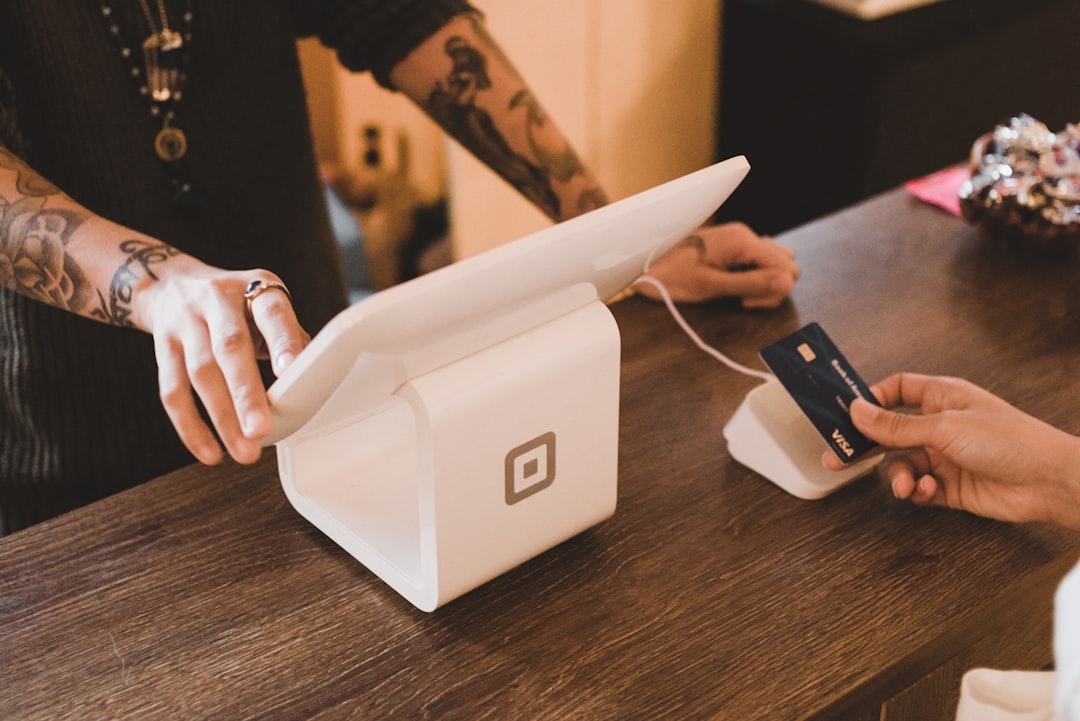
The next major advancement in credit card technology came in the form of contactless payments. Introduced in Korea in 1995, contactless credit cards allow customers to make purchases by simply tapping their card on a reader without the need to swipe or insert the card.
Contactless payments offer several benefits over traditional methods:
- Speed: Transactions are completed in seconds, making checkout faster and more efficient.
- Convenience: No need to swipe or insert the card, making it easier to pay on the go.
- Hygiene: Contactless payments reduce the need to touch payment terminals, a key concern in the post-pandemic world.
The adoption of contactless payments has skyrocketed in recent years, with major issuers like Airtel Finance offering contactless credit cards to their customers.
The Future of Credit Cards
As we look to the future, it’s clear that the evolution of credit cards is far from over. The rise of mobile wallets and wearable technology has opened up new possibilities for how we pay. Biometric authentication, such as fingerprint or facial recognition, is becoming increasingly common, adding an extra layer of security to transactions.
Here are some of the key trends shaping the future of credit cards:
- Integration with mobile wallets and wearables
- Biometric authentication for enhanced security
- Personalised rewards and offers based on spending habits
- Instant issuance and virtual credit cards
- Blockchain technology for secure and transparent transactions
As these trends continue to evolve, it’s important to stay informed about the latest advancements in credit card technology. By understanding the history and future of credit cards, you can make informed decisions about which payment methods best suit your needs.
Summing Up
The evolution of credit cards has been a remarkable journey, from the early days of metal charge plates to the cutting-edge contactless and mobile payments of today. Between magnetic stripes vs contactless credit cards, each advancement has brought greater convenience, security, and rewards to consumers, transforming the way we pay.
As you navigate the history of credit cards, consider the benefits of modern payment technologies like contactless and mobile wallets. You can make the most of this ever-evolving financial tool by staying up to date with the latest advancements and choosing a card that aligns with your spending habits and financial goals.
If you’re looking for a credit card offering the latest technological advancements in payment technology and rewards, consider the options available from Airtel Finance. With a range of cards to suit different lifestyles and spending habits, Airtel Finance can help you find the perfect card for your needs. Plus, with the Airtel App, you can easily manage your card and track your spending on the go.
FAQs
- What is the difference between a magnetic stripe and an EMV chip?
A magnetic stripe stores static data that remains the same for each transaction, while an EMV chip generates a unique code for each transaction, making it more secure.
- How do contactless credit cards work?
Contactless credit cards use radio frequency identification (RFID) technology to communicate with a payment terminal when held close to it, allowing for quick and easy transactions without the need to swipe or insert the card.
- Are contactless credit cards safe to use?
Yes, contactless credit cards are safe to use. They employ the same security measures as EMV chip cards and often have a transaction limit to prevent unauthorised purchases.
- Can I use my contactless credit card for online purchases?
While contactless technology is primarily used for in-person transactions, many contactless credit cards can also be used for online purchases, just like a traditional credit card.
- How can I check my credit score before applying for a credit card?
You can check your credit score for free through various online platforms or by requesting a report from a credit bureau. Airtel Finance also offers a free credit score check service to help you understand your creditworthiness before applying for a credit card.