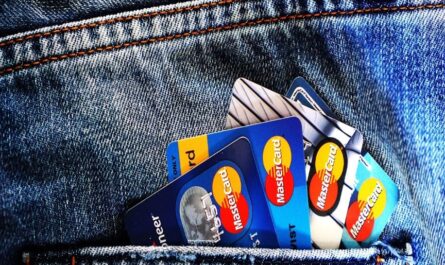
In today’s fast-paced financial landscape, credit cards have become an essential tool for many urban and semi-urban Indians. With a wide array of options available, it’s not uncommon for individuals to hold multiple credit cards. While having more than one card can offer several advantages, it also comes with its share of risks and challenges. In this article, we’ll explore the pros and cons of having multiple credit cards and provide practical strategies to help you manage your multiple credit card usage effectively.
The Allure of Multiple Credit Cards
- Maximising Rewards: One of the key pros of multiple credit cards is the ability to maximise rewards. Different cards offer various rewards programmes, such as cashback, travel miles, or points. By strategically using the right card for specific purchases, you can accumulate rewards faster. For example, if you have a card that offers 5% cashback on groceries and another that provides 3% cashback on fuel, you can optimise your rewards by using the appropriate card for each purchase.
- Enhancing Credit Utilisation Ratio: Your credit utilisation ratio, which is the percentage of your available credit that you’re using, plays a crucial role in determining your credit score. Having multiple credit cards can help you maintain a lower credit utilisation ratio by spreading your expenses across different cards. Ideally, you should aim to keep your credit utilisation below 30% on each card and overall.
- Backup and Flexibility: A less obvious but important multiple credit cards pros is having a backup. Holding multiple credit cards provides a safety net in case one card is lost, stolen, or temporarily unavailable. It ensures that you always have a backup payment option when needed. Additionally, different cards may offer unique features or benefits,
The Pitfalls of Multiple Credit Cards
- Annual Fees: One of the cons of multiple credit card usage is paying multiple annual fees. These can quickly add up if you have multiple cards. It’s essential to assess whether the rewards and benefits you receive from each card justify the annual fee. In some cases, the fees might outweigh the advantages, especially if you’re not utilising the card’s features effectively.
- Overspending Temptation: Having multiple credit cards at your disposal can be tempting, leading to overspending and accumulating debt. It’s crucial to exercise self-control and stick to your budget, regardless of how many cards you possess. Remember, credit cards are not a license to spend beyond your means.
- Tracking and Managing Payments: With multiple credit cards, keeping track of due dates, balances, and payments can become challenging. Missing a payment or making a late payment can result in penalties, interest charges, and potential damage to your credit score. To avoid these issues, it’s essential to develop a robust system for tracking and managing your credit card payments.
Strategies for Effective Multiple Credit Card Management
- Choose Cards Wisely: When selecting credit cards, consider your spending habits, lifestyle, and financial goals. Opt for cards that align with your needs and offer rewards that you can actually utilise. Don’t be swayed by flashy offers or sign-up bonuses alone; look at the long-term benefits of multiple credit cards and how they suit your needs.
- Set Spending Limits: To avoid overspending, set personal spending limits for each credit card. This is especially important with multiple credit cards— treat your credit limit as a boundary, not a target. Regularly review your expenses and adjust your limits if necessary to maintain financial discipline.
- Automate Payments: To ensure timely payments and avoid late fees, set up automatic payments for your credit card bills. Most banks and credit card issuers offer the option to automate payments, either for the minimum due amount or the full balance. By automating payments, you can eliminate the risk of forgetting due dates and maintain a good payment history.
- Monitor Your Credit Score: Regularly monitor your credit score using reliable platforms like the Airtel Finance credit score Understanding your credit score and the factors that influence it can help you make informed decisions about credit card usage and management. A good credit score not only improves your chances of getting approved for future loans but also opens doors to better interest rates and financial opportunities.
- Leverage Technology: Take advantage of technology to simplify your credit card management. Use budgeting apps or spreadsheets to track your expenses across multiple cards. Many credit card issuers also provide mobile apps that allow you to monitor your transactions, set alerts, and redeem rewards easily. The Airtel App is a great example of a comprehensive platform that enables you to manage your credit card offered by Airtel Finance and other financial products seamlessly.
The Bottom Line
When used wisely, the benefits of multiple credit cards can far outweigh the drawbacks. By understanding the pros and cons, setting clear goals, and implementing effective strategies, you can harness the power of multiple cards to your benefit. Remember, credit cards are tools that require careful handling. With discipline, planning, and regular monitoring, you can enjoy the rewards and convenience of multiple credit card usage while minimising the risks.
As you navigate the world of multiple credit cards, consider exploring the range of financial products offered by Airtel Finance. From competitive personal loan interest rates to attractive fixed deposit options, Airtel Finance provides a wide array of solutions tailored to meet your financial needs. By leveraging the power of technology and partnering with a trusted financial institution, you can take control of your financial journey and achieve your goals with confidence.
FAQs
- How many credit cards should I have?
The ideal number of credit cards varies from person to person. Generally, having 2-3 cards that cater to your specific needs and spending habits is sufficient. - Can having multiple credit cards hurt my credit score?
Having multiple credit cards in itself doesn’t hurt your credit score. However, applying for several cards within a short period or maintaining high balances across multiple cards can negatively impact your score. - How can I maximise rewards with multiple credit cards?
To maximise rewards, use the card that offers the highest rewards rate for each spending category. For example, use a card with higher cashback on groceries for your supermarket purchases. - Is it better to have multiple credit cards from the same issuer or different issuers?
Having credit cards from different issuers can provide a wider range of benefits and rewards. It also reduces the risk of being impacted if one issuer experiences issues or changes its terms. - How often should I review my credit card strategy?
It’s a good practice to review your credit card strategy at least once a year. Evaluate your spending patterns, rewards earned, and any changes in your financial goals to determine if your current cards still align with your needs.