| Overview: ACH debit return charges can cost ₹100-500 per failed transaction. This guide explains why ACH debits fail, how to prevent returns through better account management, and practical steps to avoid them while maintaining healthy payment cycles. |
Why ACH Debit Return Charges Are Costing Indians More
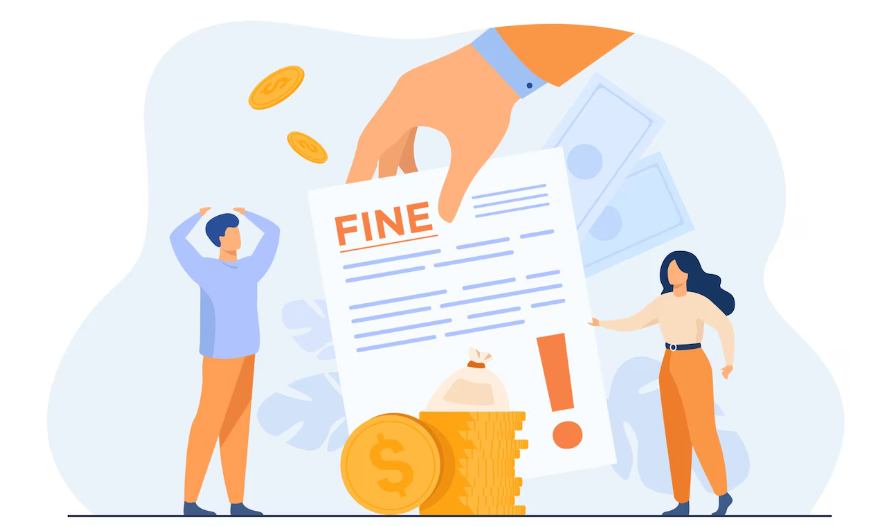
From utility bills to loan EMIs, millions of Indians rely on automatic debits for convenience. However, when these transactions fail, the resulting ACH (Automated Clearing House) debit return charges can quickly add up. Banks typically charge ₹100-500 per returned debit, while service providers may levy additional penalties.
Understanding how to prevent these charges is crucial for maintaining financial discipline and avoiding unnecessary expenses that can impact your monthly budget.
Understanding ACH Debit Failures
ACH debit failures can be frustrating, but understanding why they happen is the first step toward avoiding unnecessary charges and payment disruptions.
Common Reasons for ACH Returns
ACH debit returns occur due to several predictable factors that account holders can address proactively:
- Insufficient funds (most common cause—60% of returns)
- Incorrect account details or closed accounts
- Expired debit cards linked to auto-debit mandates
- Technical glitches during processing windows
- Account freezes due to compliance issues
For example, if five auto-payments fail once annually, you could lose ₹2,500–₹5,000—excluding late fees or credit impact.” This doesn’t include late payment fees or potential credit score impact for loan-related returns.
How to Prevent ACH Debit Return Charges
A few simple, proactive habits can go a long way in preventing ACH debit failures. Here’s how to stay ahead.
Maintain an Adequate Account Balance
The most effective prevention strategy is maintaining a buffer amount in your account. Calculate your total monthly auto-debits and ensure your account balance never falls below this amount plus a 20% buffer.
Monthly auto-debit calculation:
- List all recurring payments
- Add up the total amount
- Multiply by 1.2 for buffer
- Maintain this as a minimum balance
Set Up Smart Alerts and Reminders
Modern banking apps offer customisable alerts that can prevent ACH failures:
- Low balance alerts when the balance drops below a threshold
- Payment due reminders 2-3 days before debit dates
- Failed transaction notifications for immediate action
- Monthly summary of upcoming auto-debits
| Tip: Set up low-balance alerts at 150% of your total monthly auto-debit amount to prevent insufficient funds and avoid ACH debit return charges. |
Managing Multiple ACH Debits Effectively
When you have several auto-debits scheduled each month, strategic planning and consolidation can help you stay in control and avoid failed transactions.
Consolidate and Organise Payment Dates
Staggering your payment dates across the month helps maintain consistent cash flow and reduces the risk of multiple failures on the same date. Contact service providers to adjust billing cycles if possible.
Consider Debt Consolidation
If multiple loan EMIs are straining your budget and causing frequent ACH returns, consolidating high-interest debts with a personal loan can simplify payments and potentially reduce the overall interest burden.
What to Do When ACH Debits Fail
Quick action and clear communication can help resolve the situation smoothly and minimise penalties.
Immediate Action Steps
When you receive notification of an ACH return:
- Contact the payee immediately to understand charges and reschedule payment
- Check your bank account for return fees and reasons
- Update account information if details have changed
- Arrange manual payment to avoid service disruption
- Request a banking ACH charge reversal if the failure was due to a bank error
Dispute Process
If you believe the return was unjustified, document the timeline and contact both your bank and the payee. Banks are required to investigate disputed charges within 10 working days under RBI guidelines.
Preventing Future ACH Issues
Preventing ACH debit return charges requires proactive account management and smart planning. By keeping adequate balances, updating account details regularly, and aligning payment timing with your cash flow, you can avoid unnecessary fees. Setting up automated systems also reduces the stress of tracking multiple payments and safeguards your money from avoidable charges.
If you are short on funds due to an unexpected debit failure, an Airtel Finance Personal Loan can resolve your dues instantly without any credit card debt.
FAQs
1. What are typical ACH debit return charges in India?
Banks charge ₹100-500 per returned debit, while service providers may add penalty fees ranging from ₹200-1,000, depending on the service type.
2. How can I check my ACH debit transaction history?
View your ACH history through net banking, mobile banking apps, or request detailed statements from your bank showing all automated debit transactions.
3. Can I dispute ACH debit return charges?
Yes, you can dispute charges if the return was due to bank error, incorrect processing, or technical issues by contacting both parties involved.
4. Will ACH debit returns affect my credit score?
Individual returns may not impact credit scores, but repeated loan EMI returns can negatively affect creditworthiness and future loan approvals.
5. How do I set up ACH auto debit cancel requests?
Contact your bank or use net banking to cancel auto-debit mandates, ensuring you arrange alternative payment methods to avoid service disruption.