| Overview: Personal loan EMI bounce charges are penalties imposed when borrowers miss scheduled repayments due to insufficient funds or technical issues. These charges vary across banks and non-banking financial companies in India but consistently impact credit scores, increase financial burden, and create long-term consequences if not addressed promptly by the borrower. |
Why EMI Bounce Charges Matter in India
Personal loans form one of the fastest-growing credit categories in India, with Reserve Bank of India data showing personal loans grew over 17.7% year-on-year in 2024. Alongside this rapid borrowing, missed equated monthly instalments (EMIs) remain a major concern.
Whenever an EMI is missed, lenders apply bounce charges, which add to the borrower’s financial stress and can damage credit history. With household credit dependency rising, borrowers need to be aware of how these charges work and how to minimise them.
What Are EMI Bounce Charges?
When a personal loan EMI fails to clear from a borrower’s account on the due date, lenders impose a penalty fee called bounce charges. This usually happens when there is an insufficient balance or when the repayment mandate fails.
- Bounce charges differ by lender and loan type.
- Charges can be flat (₹200–₹750) or percentage-based.
- In addition to bounce charges, banks may also impose late payment interest.
If the EMI default continues, it may even affect your personal loan agreement terms.
Why Do EMI Bounce Charges Occur?
Several reasons can lead to an EMI bouncing:
- Insufficient account balance on the due date.
- Technical errors during automated debit transactions.
- Incorrect repayment mandate setup, such as ECS or NACH failures.
- Multiple standing instructions leading to balance shortage.
| Important to Know: A single EMI bounce may impact creditworthiness for years and affect your CIBIL score. |
Average EMI Bounce Charges in India
Lenders set different structures for bounce charges. Below is a comparison of common practices in India:
| Lender Type | Bounce Charges (approx.) | Additional Penalty |
| Public Sector Banks | ₹200 – ₹500 per bounce | Late payment interest 2–3% p.m. |
| Private Banks | ₹300 – ₹750 per bounce | Interest on overdue EMI amount |
| NBFCs & Fintech Lenders | ₹250 – ₹600 per bounce | Daily penal charges until cleared |
Impact of EMI Bounce Charges on Borrowers
The effect of bounce charges goes beyond the penalty fee:
- Credit score damage: One missed EMI can reduce the CIBIL score by 50–70 points.
- Additional costs: Late payment interest adds to financial burden.
- Collection calls: Repeated EMI bounce charges can trigger recovery action.
- Legal implications: Persistent defaults may invite notices under the Negotiable Instruments Act, 1881.
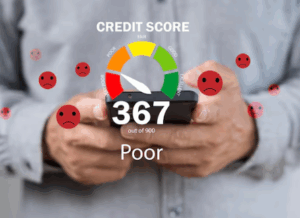
| Customer Journey: Borrowers often ignore the first bounce charge but realise the seriousness only after repeated penalties or even loan settlement. |
Legal & Financial Implications in India
The Reserve Bank of India mandates transparent disclosure of fees, including bounce charges, in loan agreements. Failure to pay repeatedly can lead to:
- Civil suits or arbitration proceedings.
- Repossession of secured assets in case of secured loans.
- Severe deterioration in repayment track record, visible to all future lenders.
Borrowers should also consider the role of penal interest, which can amplify repayment burden.
Tips to Avoid EMI Bounce Charges
To minimise financial stress, borrowers can adopt these practices:
- Maintain sufficient balance before the EMI due date.
- Activate auto-reminder alerts through mobile banking apps.
- Use linked savings accounts exclusively for loan repayments.
- Reschedule repayment dates closer to salary credit dates.
- Opt for flexi personal loan products that allow better cash flow management.
| Mistakes to Avoid: Ignoring bounce charges may cost far more than the EMI itself. |
Alternatives for Borrowers Facing Repeated Bounce Charges
When bounce charges accumulate, restructuring may be necessary:
- Loan rescheduling: Request change of EMI due date.
- Balance transfer: Shift to another lender with lower charges.
- Top-up loan: Consolidate debts to improve repayment discipline.
- Short-term credit line: Manage cash flow gaps without missing EMIs.
At this point, borrowers may consider the Airtel Finance Personal Loan, which offers flexible repayment options and transparent fee structures.
How Lenders View EMI Bounce Charges
Every EMI bounce reflects negatively in the borrower’s repayment record:
- Lenders classify frequent bounce charges as high risk behaviour.
- Even one bounce can reduce chances of future loan approvals.
- Higher bounce charges may accumulate alongside late payment interest, making the loan costlier.
| What You Must Know: Credit bureaus record every missed EMI for seven years. For long-term stability, practising good debt management is crucial. |
Conclusion: Managing EMI Bounce Charges Wisely
Personal loan EMI bounce charges may seem like minor penalties but carry significant financial consequences, from increased repayment costs to long-term credit score damage. Borrowers must stay disciplined with repayments, maintain sufficient balances, and explore alternatives if repeated penalties occur. Choosing lenders with clear terms and supportive repayment options is essential.
In this context, Airtel Finance Personal Loan provides transparent fee structures and flexible solutions that help borrowers avoid unnecessary bounce charges while meeting their financial needs.
FAQs
Q1. Why do lenders impose EMI bounce charges?
Lenders impose EMI bounce charges to cover the administrative and operational costs of failed transactions. They also act as a deterrent, encouraging borrowers to maintain repayment discipline. Consistent bounces increase collection efforts, delay repayments, and impact a lender’s cash flow, making these charges necessary to safeguard financial systems and lending stability.
Q2. How do EMI bounce charges affect credit scores?
Each EMI bounce is reported to credit bureaus like CIBIL. A single missed repayment can reduce scores by 50–70 points, making it harder to qualify for future loans or credit cards. Repeated bounce charges show financial irresponsibility, limiting access to favourable interest rates and reducing the borrower’s long-term financial credibility significantly.
Q3. Are EMI bounce charges the same across all lenders?
No, EMI bounce charges differ across lenders. Public sector banks may charge ₹200–₹500, while private banks and NBFCs often impose ₹300–₹750. Some charge a flat fee, while others calculate percentage-based penalties. Additional late payment interest or penal rates may also apply, making overall costs vary significantly between different financial institutions.
Q4. Can EMI bounce charges be avoided?
Yes, EMI bounce charges can be avoided by maintaining sufficient account balance before due dates, aligning repayment dates with salary credits, enabling repayment reminders, and choosing automatic debit options. Borrowers facing repeated difficulties can request rescheduling or explore refinancing options to reduce costs while ensuring repayment discipline.
Q5. What are the consequences of repeated EMI bounce charges?
Repeated EMI bounce charges lead to multiple financial and legal consequences. Borrowers face increased repayment costs due to penalties and late interest. Credit scores deteriorate, reducing chances of future loan approvals. Persistent defaults may trigger recovery actions or legal proceedings under the Negotiable Instruments Act, 1881, causing long-term damage to financial health.