| Overview: PVC Aadhaar and paper Aadhaar serve the same authentication purpose, yet their durability, convenience, and suitability for KYC differ. This blog compares both formats, explains where each works best, and helps you choose the ideal version for seamless verification across banks, telecom services, and financial applications in India. |
KYC Made Simple: Picking Between PVC and Paper Aadhaar
India relies heavily on Aadhaar for identity verification, with millions completing KYC every day across banking, telecom and digital finance platforms. As Aadhaar usage grows, people often face a simple but important choice: carry a durable PVC Aadhaar card or use the traditional paper version.
Both are officially valid nationwide, yet their practicality, lifespan and ease of handling differ noticeably in real situations. Choosing the right format can save time, prevent document damage and ensure smoother KYC, whether online or during in-person checks.
What is a PVC Aadhaar Card and Paper Aadhaar?
These two formats serve the same purpose, yet their practicality, durability and everyday usefulness differ significantly. Many people even use them during activities like checking their credit score or handling emergency expenses.
PVC Aadhaar Card Explained
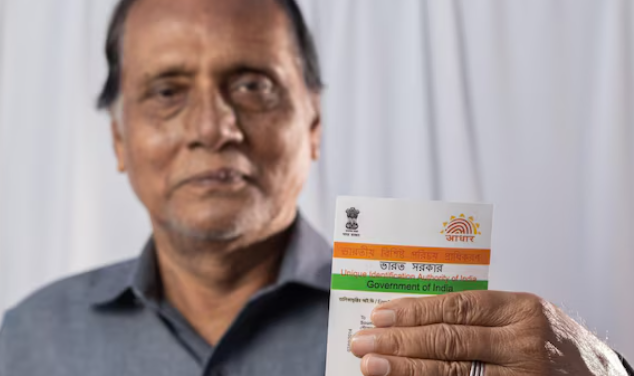
A PVC Aadhaar card is a plastic, secure, wallet-sized version of Aadhaar issued by UIDAI. A PVC Aadhaar card includes:
- Secure QR code
- Hologram and micro text
- Guilloche pattern and ghost image
- Durable material resistant to water and wear
Paper Aadhaar Explained
The paper Aadhaar is the downloadable e-Aadhaar or the printed Aadhaar letter mailed by UIDAI. It includes:
- Secure QR code
- UIDAI watermark
- Citizen details and photo
- Can be downloaded anytime
| Facts to Know: Both formats are equally valid for KYC as per UIDAI guidelines. |
Comparison Table: PVC Aadhaar Card Vs Paper Aadhaar
This side-by-side breakdown highlights how both formats perform in real-world KYC situations, especially when people explore things like instant cash loans.
| Feature | PVC Aadhaar Card | Paper Aadhaar |
| Durability | High; long-lasting plastic | Low; can tear or fade |
| Cost | ₹50 (UIDAI portal) | Free download |
| Portability | Easy to carry | Bulky when folded |
| Security Features | Multiple layers including hologram | Standard secure QR code |
| KYC Acceptance | Accepted everywhere | Accepted everywhere |
| Replacement | Must reorder | Easily reprinted |
The PVC Aadhaar card appears more durable and convenient, while the paper version remains the default, cost-free option often used during debt management.
KYC Use Cases: Where Each Works Best
Different situations favour each format, and knowing when to use which can make KYC faster and smoother.
Best Situations for a PVC Aadhaar Card
A PVC Aadhaar card is ideal for:
- Frequent offline verifications
- Situations requiring tough handling
- Daily wallet use
- Quick identity checks
Its compact size and durability make it particularly useful for people who often need to show proof of identity—especially when applying for fast cash.
Best Situations for Paper Aadhaar
Paper Aadhaar works well for:
- Online KYC (uploading e-Aadhaar PDF)
- Official submissions requiring full details
- Quick reprints when needed
- Emergency use when the original is lost
| Mistakes to Avoid: Do not laminate a paper Aadhaar; it can damage the QR code and reduce scan accuracy. |
Convenience and Practicality
When it comes to everyday use, the small differences between both formats can strongly impact ease, speed and comfort.
Everyday Convenience
- The PVC Aadhaar card fits easily in the wallet
- Paper Aadhaar needs careful storage to prevent damage.
Reprint Convenience
- Paper Aadhaar can be downloaded anytime for free from UIDAI.
- The PVC version requires ordering from the UIDAI portal.
| What You Must Know: Both formats are legitimate; preference depends on convenience, durability, and how frequently you need KYC checks. |
Relevance for Financial Applications
For bank account openings, loan applications, and telecom verifications, both forms are accepted without limitations. During digital loan applications, such as exploring the Airtel Finance Personal Loan option, you can use either format for e-KYC or offline verification.
Which Should You Choose?
If you want long-term durability, the PVC Aadhaar card clearly offers more convenience. For those who prefer free, quick access, the paper version remains perfectly functional. Many users keep both: PVC for everyday use and e-Aadhaar for digital submissions.
Final Verdict: Which Aadhaar Format Truly Works Best?
Both the PVC Aadhaar card and the paper Aadhaar effectively serve KYC requirements across India. Your choice depends on convenience, usage frequency and the level of durability you prefer. The PVC Aadhaar card is ideal for daily handling, while the paper Aadhaar is simple to download and suitable for online submissions. Whichever you choose, it will seamlessly support your financial journeys, including digital loan applications.
If you are exploring quick, hassle-free borrowing, the Airtel Finance Personal Loan platform offers instant processing and Aadhaar-based e-KYC.
FAQs
1. Is a PVC Aadhaar card more secure than paper Aadhaar?
A PVC Aadhaar card offers added security features like holograms and micro text, though both formats remain officially valid for KYC.
2. Can both PVC and paper Aadhaar be used for KYC verification?
Yes, both PVC and paper Aadhaar are fully accepted for all KYC processes across banks, telecom providers, and financial platforms in India.
3. Does a PVC Aadhaar card replace the need for paper Aadhaar?
No, it does not replace paper Aadhaar; both formats remain valid options, and users may choose either depending on convenience.
4. Which Aadhaar format lasts longer for daily use?
A PVC Aadhaar card lasts significantly longer due to its durable plastic material, making it suitable for frequent handling and wallet storage.
5. Is paper Aadhaar free to download anytime?
Yes, paper Aadhaar can be downloaded unlimited times from the UIDAI portal at no cost, offering easy reprinting whenever required.