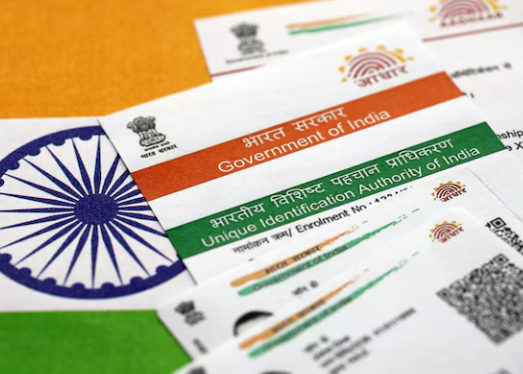
| Overview: UIDAI’s latest Aadhaar rules introduce easier online updates, revised fee structures and mandatory Aadhaar–PAN integration to strengthen identity verification across financial services. These changes streamline e-KYC, improve security and simplify documentation for millions of users relying on Aadhaar for banking, lending and other financial activities. |
Aadhaar’s New Rules Are Here: What It Means for You
Recent UIDAI reforms are set to impact millions of financial users across India. From 1 November, Aadhaar holders can update demographic details online without document uploads, using cross-verification from government databases such as PAN or passport. A new fee structure applies to demographic and biometric updates, and Aadhaar–PAN linking has been made compulsory to prevent PAN deactivation from 2026.
India’s financial sector, which depends heavily on Aadhaar-based e-KYC, will now benefit from simplified, faster authentication processes across banks, NBFCs and digital lenders, ensuring smoother access to financial services.
Major UIDAI Updates Effective November: What Financial Users Must Know
These changes are set to transform how millions manage identity verification across India’s financial ecosystem.
1. Aadhaar Updates Made Easier
UIDAI now allows Aadhaar holders to update their name, date of birth, address and mobile number fully online. Through the myAadhaar portal, details are verified against linked government databases, making the e-Aadhaar UIDAI gov.in update mechanism faster and document-free.
Key Highlights
- No document uploads needed for demographic updates
- PAN or passport data used for cross-verification
- No Aadhaar centre visit for demographic changes
- Faster updates benefiting bank KYC and loan applications
Biometric updates, including fingerprints, iris and photos, still require an Aadhaar Seva Kendra visit. These changes help users avoid delays seen during DPD issues.
| Important to Know: Keep your PAN details correct to avoid delays in your next e-Aadhaar UIDAI gov.in update. |
2. New Aadhaar Update Fees Introduced
UIDAI has announced a revised fee structure for Aadhaar changes.
Updated Fee Chart
| Type of Update | Fee | Notes |
| Demographic (name, address, DoB, mobile) | ₹75 | Online document updates free till 14 June 2026 |
| Biometric (fingerprint, iris, photo) | ₹125 | Mandatory visit to Aadhaar centre |
| Children 5–7 years | Free biometric updates | Age-based refresh |
| Children 15–17 years | Free biometric updates | Age-based refresh |
These changes streamline the cost structure and enhance transparency, supporting smoother e-Aadhaar UIDAI gov.in update flows for financial processes—especially while planning debt management or loan servicing.
3. Aadhaar–PAN Linking Becomes Mandatory
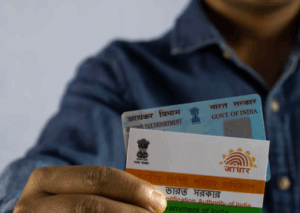
From 1 November, Aadhaar–PAN linking is compulsory. Users must complete this linking by 31 December 2025, or else their PAN will be deactivated from 1 January 2026.
How This Impacts Financial Activities
- Income tax filing continuity
- Mandatory for investments (mutual funds, equities)
- Required for high-value bank transactions
- Essential for loan processing and credit checks
Financial institutions will now rely on simplified Aadhaar-based e-KYC via OTP, video KYC or in-person verification. This ensures a faster, secure e-Aadhaar UIDAI gov.in update experience. It also reduces verification delays that often affect loan eligibility.
Simplified e-KYC Options for Banks & Lenders
UIDAI has encouraged financial institutions to use streamlined e-KYC options, reducing paperwork and speeding up customer onboarding.
Available e-KYC Methods
- OTP-based Aadhaar authentication
- Video KYC confirmation
- In-person Aadhaar verification at branches
Benefits for Users
- Faster account opening
- Reduced documentation
- Lower chances of identity fraud
- Immediate verification for digital lending platforms
These improvements also enhance the efficiency of the e-Aadhaar UIDAI gov.in update ecosystem.
| Mistakes to Avoid: Do not delay Aadhaar–PAN linking; financial access may be restricted later. |
Impact on Financial Services: What Users Should Expect
These Aadhaar reforms introduce smoother, safer and more reliable financial interactions for every user.
1. Faster Loan Approvals
Updated Aadhaar details ensure faster e-KYC checks, especially for instant lending products. This is where solutions like the Airtel Finance Personal Loan can benefit users seeking quick funds.
2. More Secure Transactions
Regular biometric updates reduce the risk of identity mismatch during high-value transactions, a key concern when dealing with credit utilisation or cross-collateral setups.
3. Better Transparency
Cross-verification through PAN or passport helps prevent document fraud, improving trust in digital finance.
| Short Insight: Accurate Aadhaar details reduce verification delays across banks, wallets, UPI apps and NBFC lending platforms. |
The Bottom Line: Staying Ahead With the New Aadhaar Rules
The latest UIDAI Aadhaar updates significantly enhance convenience, security and efficiency for India’s financial users. With online demographic updates, revised fee structures and compulsory Aadhaar–PAN linking, individuals can expect smoother e-KYC, reduced paperwork and faster access to essential services. These rules also help financial institutions process applications more accurately, supporting a safer digital ecosystem.
Keeping Aadhaar information updated is now more important than ever, especially for services that rely on instant verification. If you need flexible funding supported by Aadhaar-based e-KYC, Airtel Finance Personal Loan may be a reliable option.
FAQs
1. What changes make Aadhaar updates easier now?
UIDAI allows online demographic updates using linked government records, eliminating document uploads and reducing Aadhaar centre visits for most users.
2. What are the new Aadhaar update fees?
Demographic updates cost ₹75, and biometric updates cost ₹125, while online document updates remain free until 14 June 2026.
3. Is Aadhaar–PAN linking now compulsory?
Yes, linking is mandatory by 31 December 2025, or PAN will become inactive from 1 January 2026.
4. How do the new rules impact financial verification?
Simplified e-KYC using Aadhaar enables faster onboarding, reduced paperwork, improved accuracy and smoother authentication across banks and financial institutions.
5. Do biometric updates still require visiting a centre?
Yes, fingerprints, iris scans and photo updates must be completed in person at an Aadhaar Seva Kendra for verification.