| Overview: Many people frequently check their credit score without realising how it affects their financial credibility. While a CIBIL check helps monitor loan eligibility, doing it excessively might not always be wise. This blog talks about myths, facts and the real consequences of multiple CIBIL checks on your credit health. |
Think Twice Before You Check: The Hidden Impact of Frequent CIBIL Checks
A good credit score opens doors to faster loans and better interest rates, but not everyone knows that frequent CIBIL checks can sometimes backfire. Each time you apply for credit, lenders pull your CIBIL report to assess risk. When this happens too often, it may make you appear credit-hungry, slightly lowering your score.
In India’s growing credit market, maintaining a healthy balance between awareness and over-checking is crucial. By learning how different types of CIBIL checks work, you can safeguard your score and keep your borrowing options wide open for the future.
Difference Between Hard and Soft CIBIL Checks
Before exploring the table below, it’s vital to know that not all CIBIL checks affect your credit score the same way. The key difference lies in who initiates the inquiry and why.
| Type of CIBIL Check | Who Performs It | Impact on Credit Score | Common Example |
| Hard Inquiry | Lenders/Financial Institutions | May lower score temporarily | Loan or credit card application |
| Soft Inquiry | Individual (Self) | No impact on score | Checking your own credit report |
Regular self-checks are good practice, but applying for multiple loans simultaneously can make your profile seem risky.
Myths and Facts About CIBIL Checks
Many borrowers fall for common misconceptions about CIBIL checks, which often lead to unnecessary worry or poor financial decisions. Let’s separate the myths from the facts to help you make smarter credit choices.
- Myth 1: Checking CIBIL too often will always lower your score.
- Fact: Only lender-initiated checks affect your score. Personal CIBIL checks are safe.
- Myth 2: Every loan rejection harms your score.
- Fact: Rejections themselves don’t affect your CIBIL score; it’s the repeated CIBIL checks from applications that might.
- Myth 3: All credit bureaus have the same scoring model.
- Fact: CIBIL, Experian, and Equifax have different parameters, though all reflect repayment behaviour.
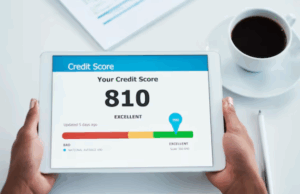
| What You Must Know: A good CIBIL score (700+) helps unlock better loan offers with lower interest rates. |
Why Too Many CIBIL Checks Can Backfire
Each hard CIBIL check remains on your report for 24 months. Multiple such checks within a few weeks raise red flags, implying possible credit dependency or financial urgency. Lenders, therefore, may reduce approved limits or offer loans at higher interest rates.
For instance, applying for instant loans from multiple apps simultaneously can lead to five or more hard CIBIL checks, lowering your score by 10–15 points temporarily.
| Mistakes to Avoid: Avoid applying for several loans at once; space out credit applications to keep your CIBIL score steady. Consider comparing low-interest loans before applying. |
How to Monitor CIBIL Responsibly
Keeping track of your credit score doesn’t mean checking it constantly, but it means doing it smartly. Here’s how you can monitor your CIBIL check activity responsibly without putting your credit health at risk.
- Check your CIBIL report once every three months.
- Review your repayment history for errors.
- Limit loan applications to credible lenders.
- Use personal finance platforms for soft credit checks.
| Important to Know: Too many soft checks don’t hurt your score. Only multiple lender-driven CIBIL checks can create issues. |
Relevance of CIBIL Check for Personal Loans
When applying for a personal loan, lenders assess creditworthiness through a CIBIL check. Airtel Finance Personal Loan, for instance, offers flexible EMIs, instant approval, and a fully digital process for eligible applicants with a strong credit profile.
Having a good CIBIL score not only increases approval chances but can also fetch you interest rates as low as 12.75% through trusted partners on the Airtel App.
How to Recover from a Drop in CIBIL Score
If your score has dropped due to multiple CIBIL checks, take corrective actions:
- Pay EMIs and credit card bills on time.
- Avoid new loan applications for at least 3–6 months.
- Maintain a low credit utilisation ratio.
- Review your report for inaccuracies and report them to CIBIL.
Consistency in financial habits helps rebuild your score effectively.
Final Thoughts: Protect Your Credit Score and Borrow Smartly
Frequent CIBIL checks may seem harmless, but lender-initiated ones can affect your credit profile. By spacing applications, maintaining disciplined repayment behaviour, and using trusted platforms, you safeguard your score and loan eligibility. A healthy credit record opens doors to better loan options with attractive interest rates.
For borrowers seeking flexibility and instant access to funds, Airtel Finance Personal Loan provides an excellent, fully digital solution with minimal documentation and quick disbursal.
FAQs
1. Does checking my CIBIL score frequently reduce it?
No, self-initiated CIBIL checks are soft inquiries and don’t affect your score; only lender-driven hard checks can lower it.
2. How often should I perform a CIBIL check?
Ideally, check your CIBIL report once every three months to track updates and spot any potential errors early.
3. What happens when multiple lenders check my CIBIL report?
Multiple hard inquiries in a short time may slightly reduce your credit score and signal financial stress to lenders.
4. Can I improve my score after too many CIBIL checks?
Yes, timely EMI payments, low credit usage, and avoiding new loan applications for a while can restore your score.
5. Is there any difference between CIBIL and other credit bureaus?
Yes, CIBIL, Experian, and Equifax use different scoring models but all reflect your repayment consistency and credit behaviour.