| Overview: Managing a personal loan when self-employed requires strategic financial planning. Unlike salaried individuals with steady income, entrepreneurs face fluctuating cash flows. Knowing how to manage repayments, maintain credit health, and choose the right lending partner helps balance stability and flexibility in borrowing decisions. |
Personal Loans: A Financial Lifeline for India’s Self-employed and Salaried Mix
India’s self-employed community contributes nearly 30% to the national GDP and employs more than half of the country’s workforce, as per NITI Aayog data. However, inconsistent income patterns make access to formal credit more challenging for many. While personal loans can provide vital liquidity for business and personal needs, handling them wisely is crucial.
Both salaried and self-employed individuals can benefit from understanding key financial practices such as loan eligibility, documentation, repayment strategies, and risk management to maintain financial discipline and creditworthiness.
Managing Personal Loans for Different Income Profiles
While both salaried and self-employed individuals seek financial support through personal loans, their income stability, documentation needs, and repayment patterns differ significantly. Recognising these distinctions helps borrowers choose the right approach for smoother loan management and better financial control.
Salaried Vs Self-employed Borrowers
| Factor | Salaried Individuals | Self-employed Individuals |
| Income Stability | Fixed monthly income | Variable monthly income |
| Documentation | Salary slips, Form 16 | ITRs, business financials |
| Loan Approval Time | Faster, due to stable income | Slightly longer due to verification |
| Interest Rate | Typically lower | May be slightly higher |
| Best Loan Type | Standard personal loan | Flexible personal loan for self-employed |
| Fact to Know: Self-employed borrowers benefit from showing consistent ITR filings and business stability for at least 2 years. |
Eligibility Factors for a Personal Loan for Self-employed
For a personal loan for self-employed, lenders consider various factors before approval:
- Income Proof: Bank statements and Income Tax Returns of the last 2–3 years.
- Business Continuity: Minimum of 2 years in the same business or profession.
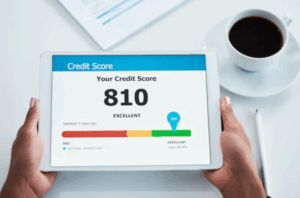
- Credit Score: Usually above 700 for favourable interest rates.
- Age: 21 to 60 years.
- Financial Discipline: On-time repayment history improves credibility.
Many lenders, including Airtel Finance Personal Loan, offer quick approvals through a 100% online process with minimal documentation, ideal for self-employed professionals managing busy schedules.
How to Manage Repayments Smartly
Effective repayment strategies help both salaried and self-employed borrowers maintain a healthy financial profile.
For Salaried Borrowers:
- Automate EMIs to avoid late fees.
- Maintain a buffer fund equivalent to 3 EMIs.
For Self-employed Borrowers:
- Link EMIs to business cash flow cycles.
- Keep a dedicated loan repayment account.
- Avoid taking multiple unsecured loans at once.
| Tip: Always review loan statements monthly to stay updated on outstanding balances. |
How to Choose the Right Lender
When selecting a personal loan for self-employed, compare offers based on:
- Interest Rate: Even a 1% difference affects total cost significantly.
- Tenure Flexibility: Longer tenure reduces EMI burden but increases total interest.
- Processing Fees & Charges: Usually between 2–5% + GST.
- Repayment Options: Look for flexible EMI structures.
Below is a quick reference table comparing features among common lenders:
| Feature | Airtel Finance | Traditional Bank | FinTech NBFC |
| Processing Time | Within 24 hours | 3–5 working days | 1–2 days |
| Minimum Documents | Yes (PAN, Aadhaar) | Extensive | Moderate |
| Interest Rate | From 12.75% | From 10.5% | From 12% |
| Process | 100% digital | Branch-based | Online |
| Best For | Tech-savvy users, self-employed | Salaried professionals | Gig economy workers |
| What You Must Know: A higher credit score directly influences the interest rate offered on a personal loan for self-employed applicants. |
Balancing Cash Flow and Debt
For self-employed professionals, cash flow can fluctuate. Balancing loan EMIs with business income prevents financial strain.
- Keep a loan reserve fund covering at least 2–3 EMIs.
- Avoid over-leveraging — debt-to-income ratio should not exceed 40%.
- Consolidate smaller debts into a single personal loan when feasible — consider debt refinancing.
- Refinance if better rates are available after 12–18 months.
If struggling with repayments, explore debt management solutions for better control.
Documentation Simplified
A personal loan for self-employed requires fewer documents today than ever before. Typically needed:
- PAN and Aadhaar cards
- ITRs of past two years
- Bank statements for 3–6 months
- Proof of business registration (if applicable)
Airtel Finance Personal Loan simplifies this process through the Airtel App, allowing instant upload and verification without visiting any branch.
| Important to Know: Incomplete or mismatched documents can delay approval or reduce your eligible loan amount. |
Leveraging Personal Loans for Business Growth
Self-employed professionals often use personal loans to:
- Expand working capital
- Upgrade equipment or tools
- Fund marketing or technology improvements
- Manage temporary cash crunches
For business expansion, explore loan subsidies and compare business vs personal loans.
While business loans exist, a personal loan for self-employed offers flexibility in usage without collateral requirements. This makes it suitable for freelancers, consultants, or small business owners seeking quick liquidity.
Final Thoughts: Financial Confidence for the Self-employed Borrower
Managing a personal loan effectively, especially when self-employed, requires planning, discipline, and smart lender selection. Maintaining steady financial records, tracking EMIs, and borrowing only what’s manageable helps safeguard long-term credit health.
With fully digital processes, competitive rates, and instant approvals, Airtel Finance Personal Loan stands out as a reliable choice for self-employed professionals. Its flexible repayment options and minimal paperwork make borrowing more convenient than ever.
FAQs
1. What makes personal loans suitable for self-employed individuals?
Personal loans provide flexible funding without collateral, ideal for self-employed individuals facing irregular income cycles. They can be used for business expansion, personal needs, or emergencies, offering quicker approval compared to business loans and simple eligibility based on credit score and financial stability.
2. How can self-employed borrowers improve loan approval chances?
Maintaining accurate financial records, consistent income proof through tax returns, and a high credit score helps improve approval odds. Reducing outstanding debts, ensuring timely payments, and applying with credible documents also strengthen a self-employed borrower’s financial profile for favourable lending consideration.
3. What documents are required for a personal loan for self-employed individuals?
Typically, self-employed applicants must provide PAN and Aadhaar cards, recent Income Tax Returns, six-month bank statements, and proof of business registration. These documents demonstrate income reliability and operational continuity, helping lenders assess repayment capability before approving a personal loan application.
4. How do fluctuating earnings affect personal loan repayment?
Variable income can make EMIs harder to manage for self-employed borrowers. It’s important to align repayment dates with cash inflow cycles, maintain a reserve fund, and use flexible tenure options to balance repayments without straining monthly business or personal finances.
5. Can a personal loan help with business cash flow management?
Yes, a personal loan can stabilise short-term cash flow gaps, fund inventory, or meet operational costs. It provides quick access to funds without detailed business documentation, allowing self-employed professionals to maintain business continuity and financial flexibility during lean income periods.