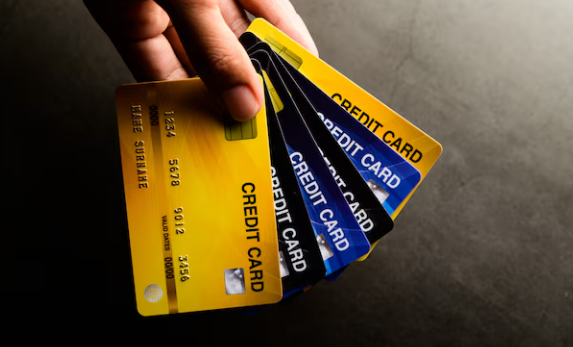
| Overview: Choosing between an EMI card and a credit card depends on your spending habits, repayment discipline, and financial goals. While EMI cards make big purchases affordable through instalments, credit cards offer broader flexibility and benefits. Understanding their differences can help you decide which payment tool suits your lifestyle best. |
Making the Right Choice: EMI Card or Credit Card?
Smart money management starts with choosing the right payment tool. Both EMI cards and credit cards make spending easier but work in different ways. An EMI card helps you pay for big purchases in fixed instalments, while a credit card offers more flexibility, rewards, and wider use. The right choice depends on your spending habits and repayment style. Knowing how each option fits your financial goals helps you spend wisely and stay in control.
What is an EMI Card?
An EMI card is a pre-approved payment instrument that allows consumers to buy products on easy instalments without applying for a loan each time. Financial providers like Bajaj Finserv offer these cards with zero or low interest on select purchases.
- Purpose: Designed for controlled spending and planned EMIs.
- Repayment: Fixed monthly instalments with transparent tenure and charges.
- Eligibility: Usually based on credit profile and past repayment history.
| Important to Know: EMI cards work only with partnered merchants or products listed under specific offers. |
What is a Credit Card?
A credit card provides a revolving line of credit that allows users to borrow funds up to a preset limit. Payments can be made in full or converted into EMIs for flexibility.
- Usage: Accepted universally across merchants and online platforms.
- Interest: Charged only if payment is delayed or partially made.
- Rewards: Cashback, points, and other perks depending on the card type.
To understand card structure better, explore the anatomy of a credit card.
Differences: EMI Card Vs Credit Card
Before you decide which card to use, take a quick look at how EMI cards and credit cards compare on key features.
| Feature | EMI Card | Credit Card |
| Function | Converts purchases into fixed EMIs | Offers credit line for various spends |
| Interest Rate | Often zero or low interest | Standard 3–4% per month if unpaid |
| Usage Limit | Partnered stores only | Accepted globally |
| Rewards & Cashback | Limited or none | Cashback, miles, and points |
| Flexibility | Fixed repayment plan | Flexible repayments and EMIs |
| Fees | Minimal | Annual/renewal fees may apply |
| Mistakes to Avoid: Many users assume EMI cards work like credit cards; they don’t offer revolving credit. |
Pros and Cons of EMI Cards
Before choosing an EMI card, it’s important to weigh its benefits and limitations.
Pros:
- No-cost EMI on eligible products
- Easy approval and simple documentation
- Fixed repayment schedule ensures discipline
Cons:
- Restricted merchant network
- No rewards or cashback
- Late payments can affect credit score
Discover some credit card protection tips to keep your payments safe and secure.
Pros and Cons of Credit Cards
While credit cards bring convenience and rewards, they also require careful use to avoid pitfalls.
Pros:
- Global acceptance and wide usability
- Attractive cashback and rewards
- Emergency credit access
- EMI conversion available for big purchases
Cons:
- High-interest charges on unpaid dues
- Annual fees on premium cards
- Risk of overspending
When to Choose EMI Card Over Credit Card
These are the situations where choosing an EMI card works best for you.
- When you prefer fixed EMIs for budgeted spending
- If you shop mostly at partnered retailers
- When you want no-cost EMI options without worrying about interest rates
| What You Must Know: EMI cards are ideal for planned purchases, not spontaneous spending. |
When Credit Card is Better Than EMI Card
A credit card proves more beneficial when flexibility, rewards, and wider acceptance are your top priorities.
- When you want universal acceptance and cashback benefits
- For flexible EMIs on any purchase
- When you manage payments responsibly to earn rewards
If you’re new to cards, you can also check things to know before getting your first credit card.
Final Verdict: EMI Card Vs Credit Card
Both EMI cards and credit cards serve unique financial purposes. If you want disciplined, interest-free instalments, an EMI card works best. However, if you seek versatility, rewards, and global usage, a credit card is the smarter pick. The Airtel Axis Bank Credit Card combines these benefits, offering cashback on essential spends, simple digital management, and EMI conversion flexibility. It perfectly bridges affordability and convenience for modern users.
Frequently Asked Questions
Q1. Does an EMI card affect credit score?
Yes, timely EMI payments improve your credit score, while missed or delayed payments can reduce it.
Q2. Is an EMI card better than a credit card?
It depends on your needs; EMI cards suit planned purchases, while credit cards offer flexibility and rewards.
Q3. Can I use an EMI card for cash withdrawal?
No, EMI cards cannot withdraw cash; they are meant only for purchases at partnered merchants.
Q4. What are EMI card eligibility criteria?
Eligibility usually depends on your income, age, credit score, and repayment history with financial institutions.
Q5. Do credit cards charge interest on EMIs?
Yes, most credit card EMIs include interest unless they are part of a specific no-cost EMI offer.
Q6. Which has a higher credit limit: EMI or credit card?
Credit cards generally offer higher credit limits and greater flexibility than EMI cards for everyday spending.